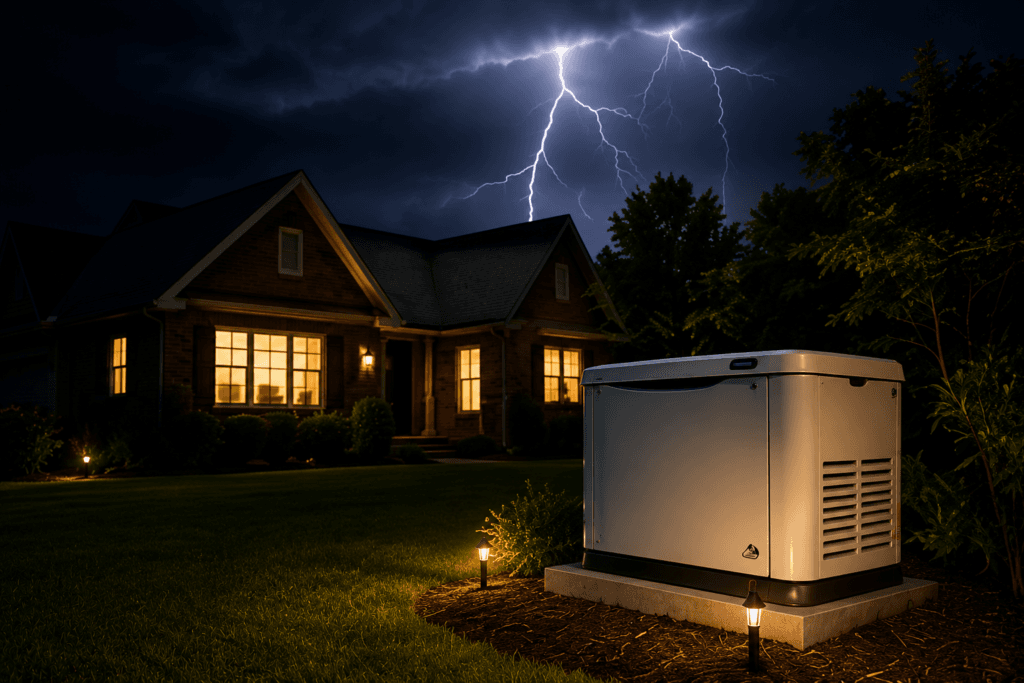
Generator vs Power Station
When preparing for power outages, emergencies, camping trips, or backup electricity at home, one of the most common questions people ask is:
Should you buy a generator or a portable power station?
Both provide backup power, but they work very differently and are designed for different situations. Traditional generators use fuel-powered engines to create electricity, while portable power stations use rechargeable batteries to provide quiet, emission-free power.
In this complete comparison guide, we’ll break down:
- power output
- runtime
- noise levels
- indoor safety
- charging methods
- maintenance
- portability
- emergency preparedness
- long-term value
By the end, you’ll know exactly which backup power option is best for your needs.
Quick Verdict
If you need high power output and long runtime for major appliances during extended outages, a generator is usually the better choice.
If you want quiet, portable, indoor-safe backup power for electronics and small appliances, a portable power station is often the better option.

Generator vs Portable Power Station
| Feature | Generator | Portable Power Station |
|---|---|---|
| Power Source | Gas/Propane/Diesel | Rechargeable Battery |
| Noise Level | Loud | Nearly Silent |
| Indoor Safe | No | Yes |
| Maintenance | Moderate | Very Low |
| Emissions | Yes | None |
| Runtime | Long with fuel | Battery limited |
| Best for Whole Home | Yes | Limited |
| Portable Options | Yes | Yes |
| Electronics Safe | Inverter models yes | Yes |
| Solar Charging | Rare | Yes |
| Fuel Required | Yes | No |
Gas Generator vs Solar Generator Comparison Table
Feature
Power Output |
Runtime |
Noise Level |
Indoor Safe |
Maintenance |
Fuel Required |
Emissions |
Best for Whole Home |
Portable Options |
Electronics Safe |
Emergency Preparedness |
- Portable generators
- Inverter generators
- Whole house generators
- Dual-fuel generators
- RV generators
- Quiet generators
- Solar generators
Gas Generator
- Real-world usability
- Runtime
- Noise levels
- Fuel efficiency
- Reliability
- Ease of use
- Value for the money
- Safety features
- Long-term ownership considerations
Solar Generator
Choosing between two generators can be difficult.
That is why Power4Everything will feature side-by-side comparisons such as:
Gas or propane. 3,500W covers all essentials. Best budget pick by far.
- Honda vs Westinghouse
- Generator vs Power Station
- Solar vs Gas Backup
- Inverter vs Conventional Generators
- Portable vs Whole House Systems
What Is a Generator?
A generator is a machine that converts fuel into electricity using an engine.
Generators are commonly powered by:
- gasoline
- propane
- diesel
They are widely used for:
- home backup power
- emergency outages
- construction sites
- RV use
- camping
- powering appliances
Common generator types include:
- portable generators
- inverter generators
- standby generators
- dual fuel generators
Popular models include:
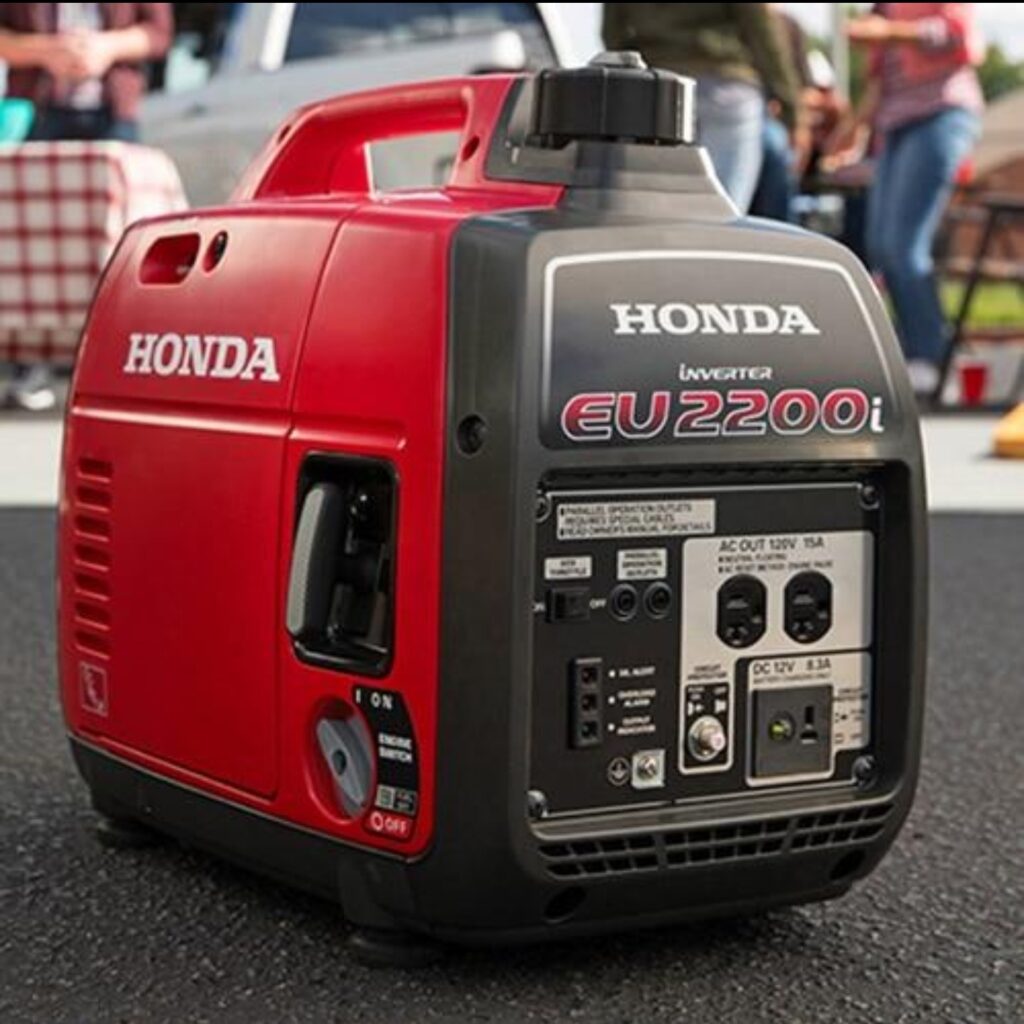
- Honda EU2200i
- Westinghouse iGen4500
- Champion Dual Fuel Generators
- Generac Whole House Generators
What Is a Portable Power Station?
A portable power station is essentially a large rechargeable battery with built-in outlets and charging ports.
Unlike generators, power stations:
- do not use fuel
- produce no emissions
- operate quietly
- can often recharge using solar panels
They are ideal for:
- apartments
- indoor backup power
- camping
- RV travel
- electronics
- emergency preparedness
Popular power stations include:
- EcoFlow Delta 2
- Jackery Explorer 1000
- Bluetti AC200MAX
- Goal Zero Yeti Series
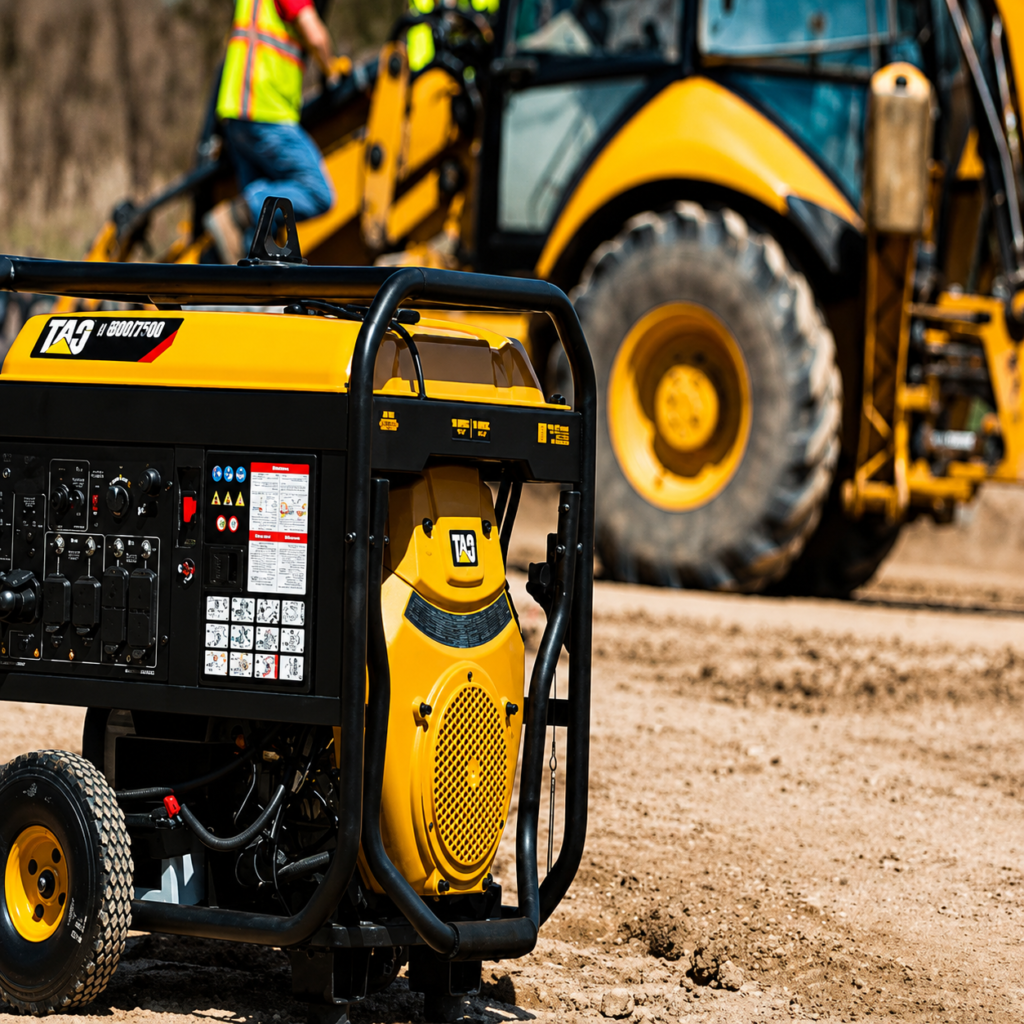
Power Output Comparison
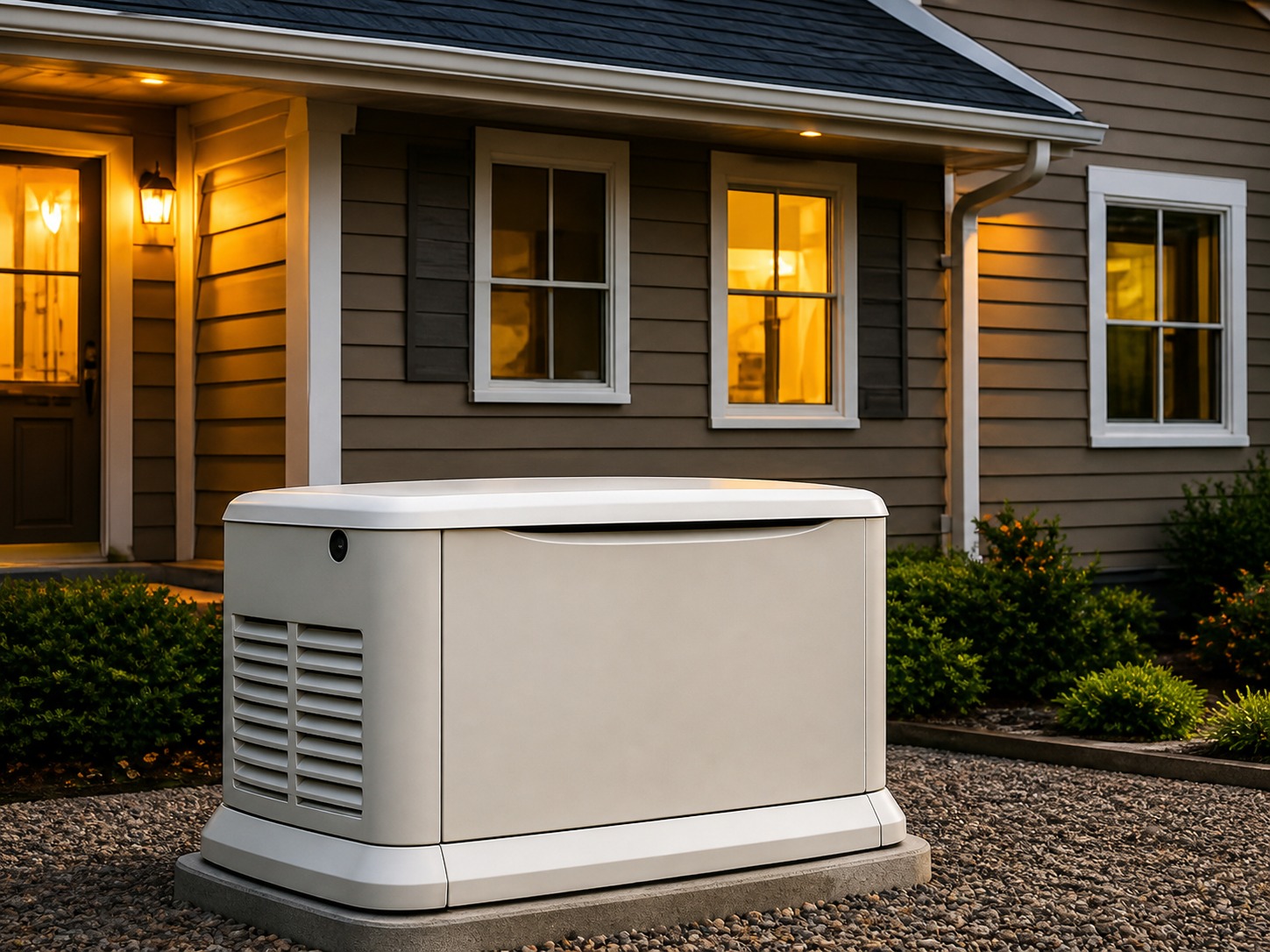
Generator Power Output
Generators usually provide significantly more power than portable power stations.
Many generators can run:
- refrigerators
- microwaves
- sump pumps
- air conditioners
- power tools
- freezers
- entire homes
Power ranges commonly include:
- 2,000 watts
- 5,000 watts
- 10,000+ watts
This makes generators ideal for:
- long outages
- whole-home backup
- high-wattage appliances
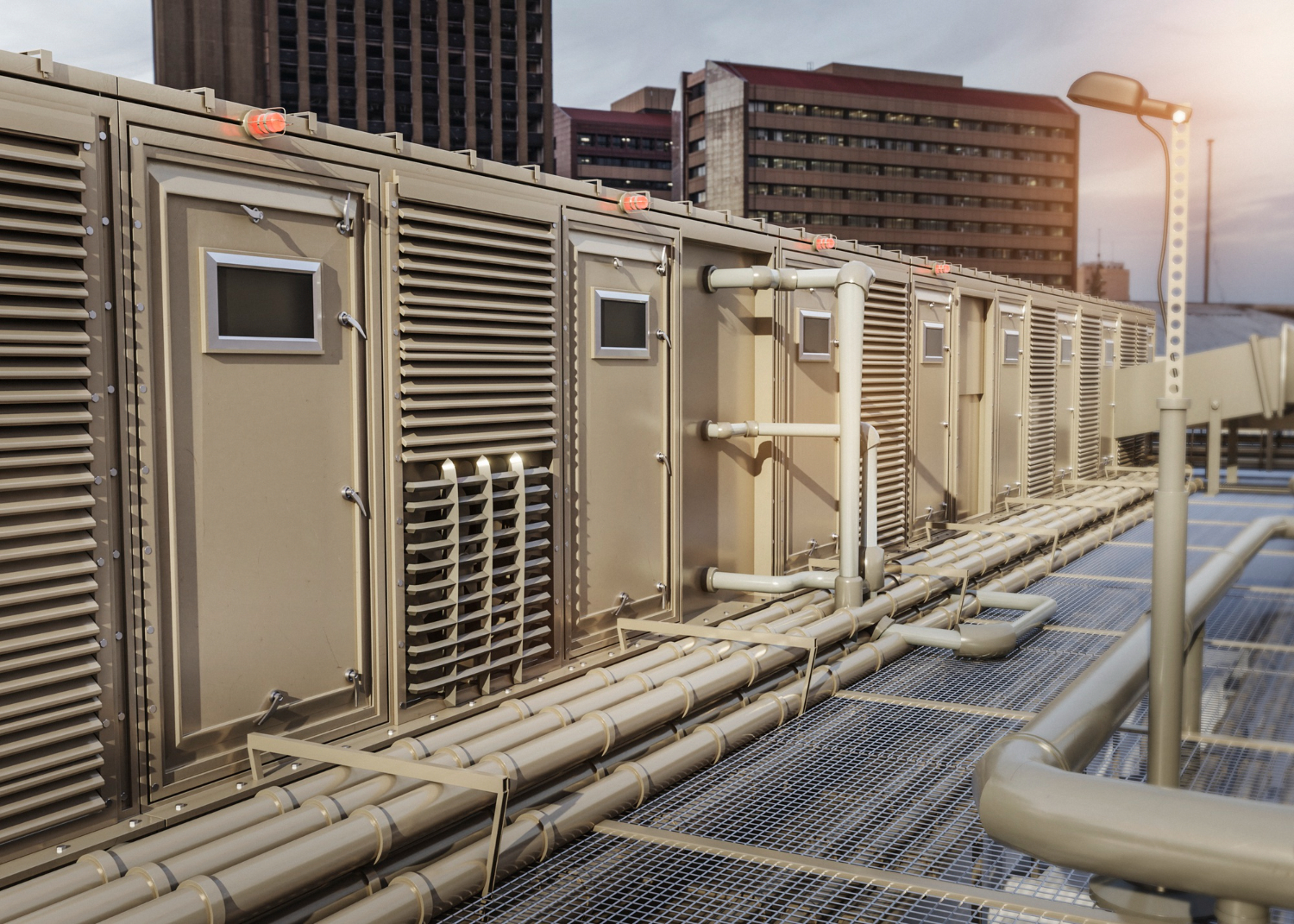
Portable Power Station Output
Portable power stations are typically better suited for:
- phones
- laptops
- Wi-Fi routers
- TVs
- CPAP machines
- lights
- small appliances
Larger battery systems can also power:
- refrigerators
- small microwaves
- some medical equipment
However, battery limitations usually prevent extended whole-home backup.
Runtime and Fuel Comparison
Generator Runtime
Generators can run continuously as long as fuel is available.
This is one of the biggest advantages during:
- hurricanes
- snowstorms
- multi-day blackouts
Many portable generators run:
- 8–18 hours per fuel tank
Dual fuel models provide even greater flexibility.
Portable Power Station Runtime
Portable power stations rely entirely on battery capacity.
Once depleted, they must recharge through:
- wall outlets
- solar panels
- vehicle charging
Runtime depends heavily on:
- battery size
- appliance wattage
- power usage
For smaller electronics, runtime may last:
- several hours
- sometimes multiple days
For large appliances, batteries drain much faster.
Noise Levels
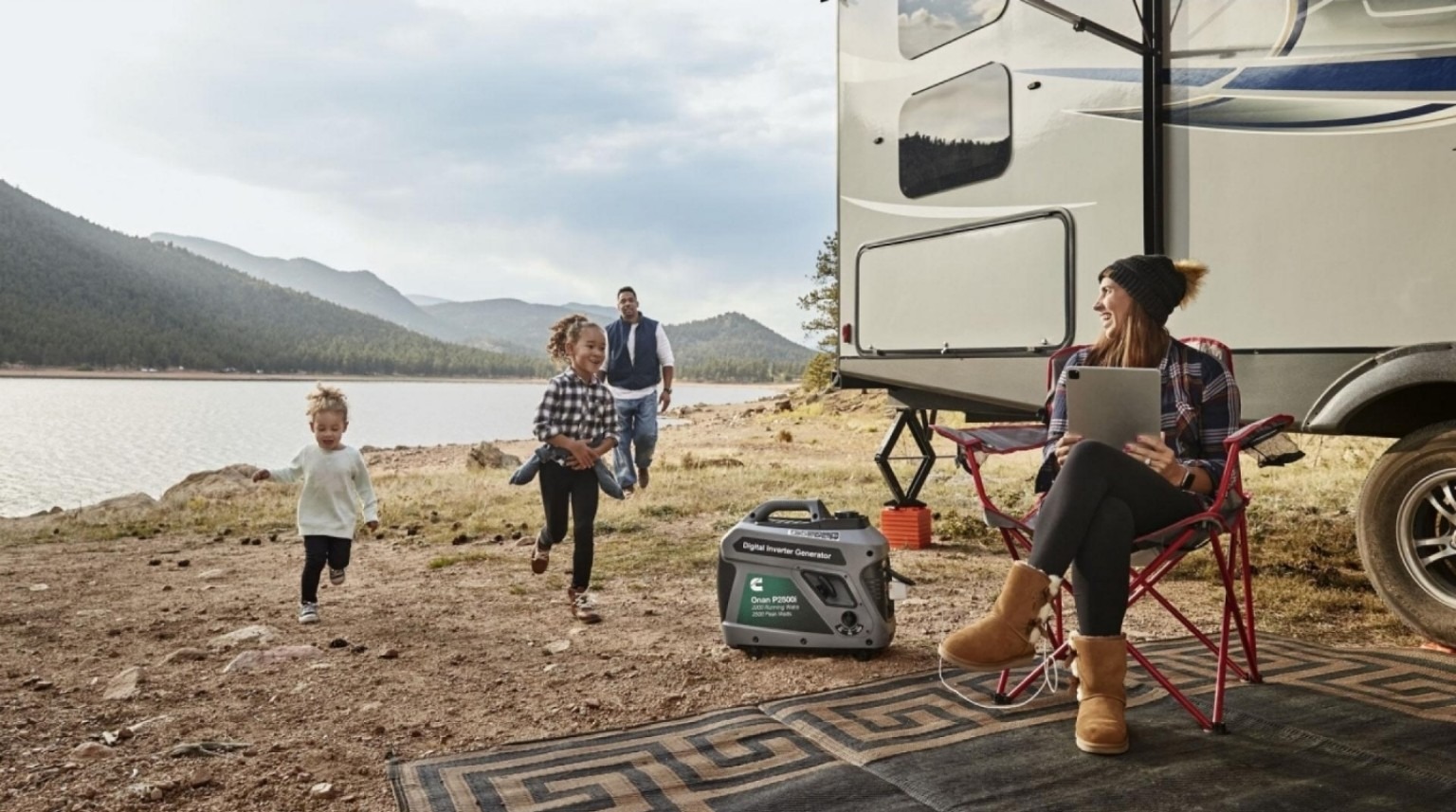
Generators Are Louder
Traditional generators produce noticeable engine noise.
Open-frame generators are especially loud.
Even inverter generators still create:
- engine vibration
- exhaust noise
Noise levels matter for:
- neighborhoods
- camping
- nighttime use
- RV parks
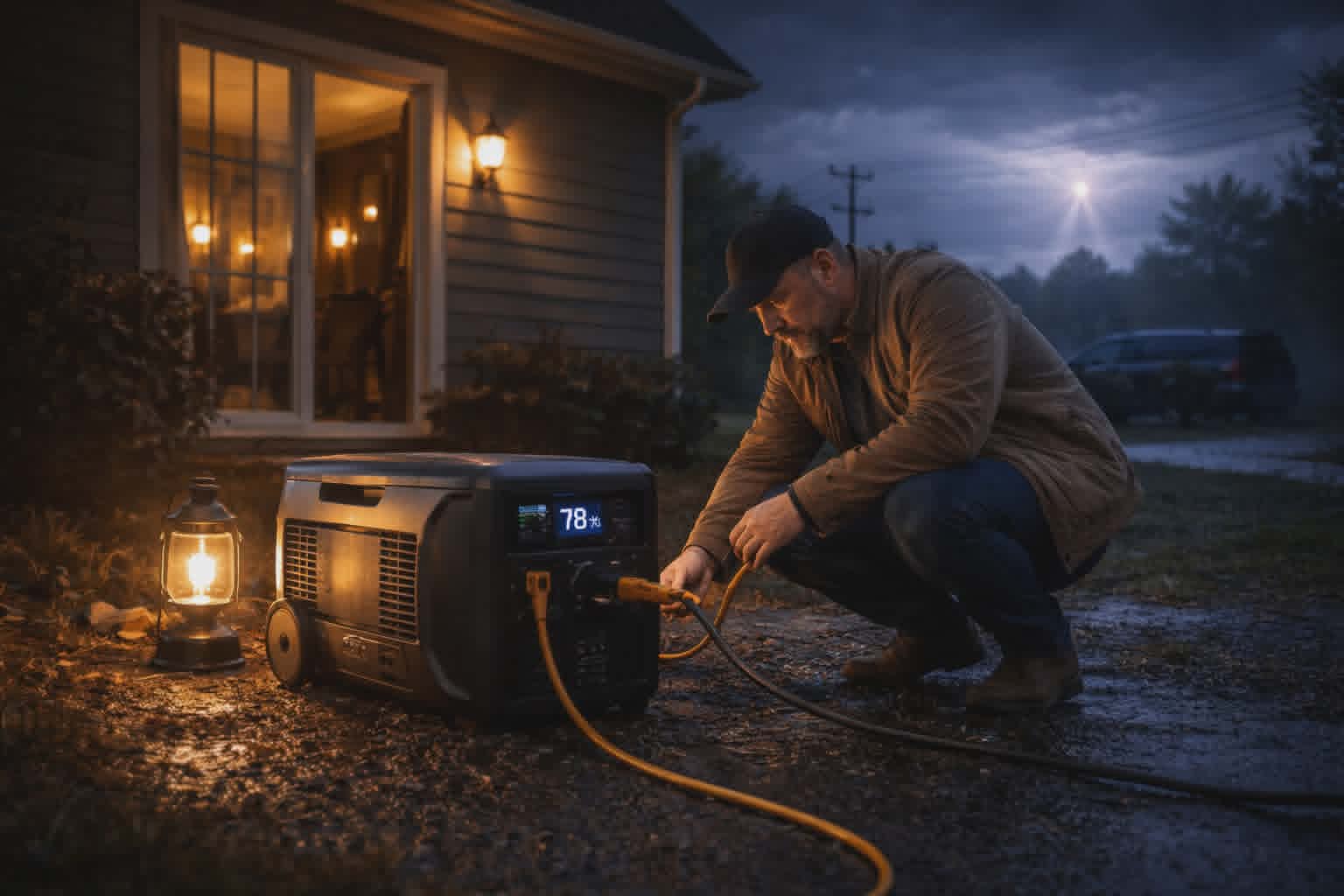
Portable Power Stations Are Quiet
Portable power stations are usually nearly silent.
This makes them excellent for:
- apartments
- indoor use
- sleeping areas
- camping
- quiet environments
Silent operation is one of the biggest advantages of battery-powered backup systems.
Indoor Safety Comparison
Generators Are NOT Indoor Safe
Generators produce:
- carbon monoxide
- exhaust fumes
- fire risks
They should NEVER be operated:
- indoors
- inside garages
- near windows
Improper generator use can be deadly.
Portable Power Stations Are Indoor Safe
Portable power stations:
- produce no fumes
- create no combustion
- emit no carbon monoxide
This makes them ideal for:
- apartments
- bedrooms
- emergency indoor backup
For many users, indoor safety is a major deciding factor.
Maintenance Comparison
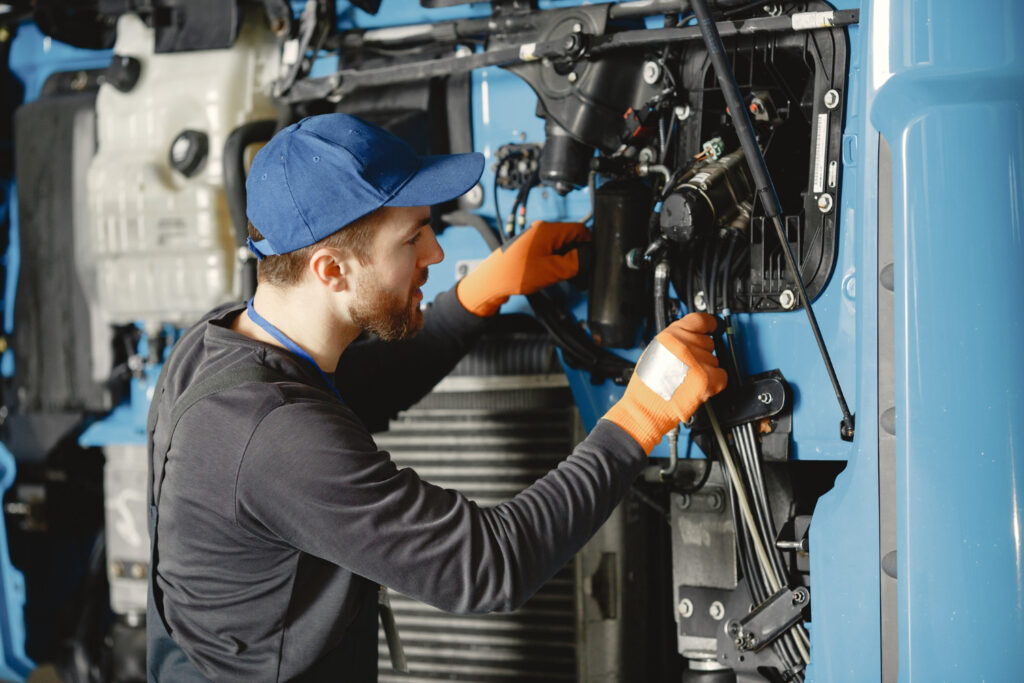
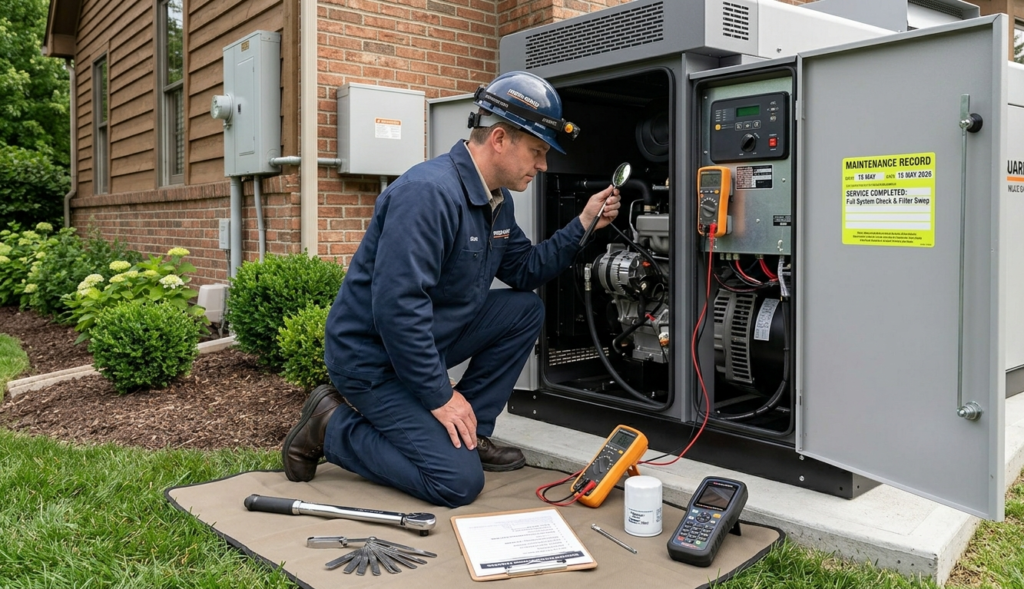
Generator Maintenance
Generators require regular:
- oil changes
- fuel stabilization
- engine maintenance
- spark plug replacement
Fuel storage also requires attention during long-term storage.
Portable Power Station Maintenance
Portable power stations require very little maintenance.
Most only require:
- periodic charging
- battery monitoring
- software updates (on some models)
No fuel or engine maintenance is needed.
Fuel and Charging
Generator Fuel Requirements
Generators require:
- gasoline
- propane
- diesel
Fuel availability becomes very important during emergencies and long outages.
Portable Power Station Charging
Power stations recharge using:
- wall outlets
- car chargers
- solar panels
Solar charging is one of the biggest advantages for:
- off-grid use
- camping
- emergency preparedness
Cost Comparison
Gas Generator Costs
Portable generators typically cost:
$300–$2,500
Whole-home standby systems can cost:
$5,000–$15,000+
Fuel expenses continue over time.
Portable Power Station Costs
Portable power stations typically cost:
$300–$5,000+
Larger systems with solar panels cost more upfront but have lower operating costs long-term.
Best Uses for Generators
Generators are best for:
- home backup power
- long outages
- large appliances
- construction work
- emergency preparedness
- whole-home backup systems
Best Uses for Portable Power Stations
Portable power stations are best for:
- indoor backup power
- camping
- RV use
- apartments
- electronics
- quiet operation
- solar charging
Best Generators for Home Backup
Honda EU2200i
Excellent for:
- reliability
- quiet operation
- camping
- electronics
Westinghouse iGen4500
Excellent for:
- home backup
- RV use
- long runtime
Champion Dual Fuel Generator
Excellent for:
- emergency preparedness
- flexible fuel options
Best Portable Power Stations
EcoFlow Delta 2
Excellent for:
- fast charging
- emergency backup
- home use
Jackery Explorer 1000
Excellent for:
- beginners
- portability
- camping
Bluetti AC200MAX
Excellent for:
- larger backup needs
- extended runtime
Which Is Better for Home Backup?
Choose a Generator If:
- you need high wattage
- you want to power large appliances
- you experience long outages
- you need whole-home backup
Choose a Portable Power Station If:
- you want indoor-safe backup power
- you value quiet operation
- you mainly power electronics
- you prefer low maintenance
Final Verdict
Both generators and portable power stations have major advantages depending on your needs.
Generators remain the best solution for:
- high-power emergency backup
- extended outages
- powering large appliances
- whole-home electricity
Portable power stations excel in:
- quiet indoor power
- portability
- solar charging
- maintenance-free backup power
For many homeowners and emergency preppers, the best solution may actually be using both:
- a generator for heavy-duty backup
- a portable power station for indoor essentials and electronics
As battery technology improves, portable power stations are becoming increasingly popular for modern emergency preparedness and off-grid power solutions.
Frequently Asked Questions
Power stations are quieter, safer indoors, and easier to maintain. Generators provide more power and longer runtime.
Yes. Generators can continue operating as long as fuel is available.
Yes. Portable power stations produce no fumes or carbon monoxide.
Yes. Many modern power stations support solar charging for off-grid and emergency use.