Inverter Generator vs Conventional Generator
When shopping for backup power, one of the most important decisions is choosing between an inverter generator and a conventional generator.
Both types provide electricity during:
- power outages
- emergencies
- camping trips
- RV travel
- outdoor projects
However, they work differently and are designed for different situations.
Inverter generators are known for:
- quiet operation
- fuel efficiency
- clean power for electronics
Conventional generators are known for:
- higher power output
- lower upfront cost
- heavy-duty backup power
In this complete comparison guide, we’ll compare:
- power quality
- noise levels
- fuel efficiency
- runtime
- maintenance
- portability
- cost
- home backup performance
- emergency preparedness
By the end, you’ll know exactly which generator type is best for your needs.
Quick Verdict
If you want quiet, fuel-efficient power that is safe for electronics and ideal for camping or RV use, an inverter generator is usually the better choice.
If you need maximum wattage for heavy-duty appliances and whole-home backup at a lower upfront cost, a conventional generator is often the better option.
Inverter Generator vs Conventional Generator
| Feature | Inverter Generator | Conventional Generator |
|---|---|---|
| Noise Level | Quiet | Loud |
| Fuel Efficiency | Excellent | Moderate |
| Safe for Electronics | Yes | Sometimes |
| Portability | Lightweight | Heavier |
| Power Output | Moderate | Higher |
| Cost | Higher | Lower |
| Runtime | Efficient | Depends on fuel tank |
| Best for Camping | Excellent | Moderate |
| Best for Home Backup | Good | Excellent |
| Maintenance | Moderate | Moderate |
| RV Friendly | Yes | Some models |
| Whole House Capability | Limited | Better |
What Is an Inverter Generator?
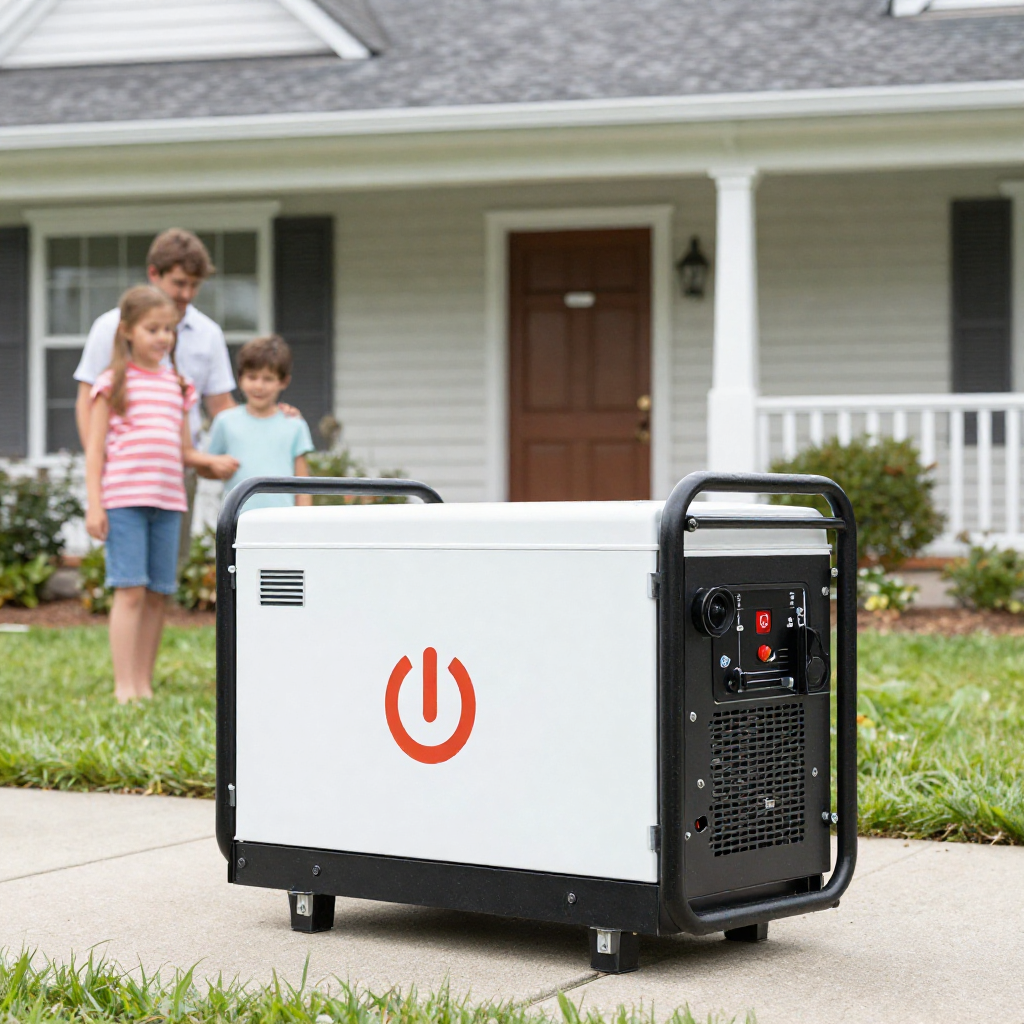
An inverter generator produces electricity differently from a traditional generator.
Instead of running at constant engine speed, inverter generators automatically adjust engine speed based on power demand.
This results in:
- quieter operation
- improved fuel efficiency
- cleaner electricity
- reduced emissions
Inverter generators are especially popular for:
- camping
- RV use
- tailgating
- electronics
- portable backup power
Popular inverter generators include:
- Honda EU2200i
- Westinghouse iGen4500
- Champion 2500 Inverter Generator
- Predator 3500
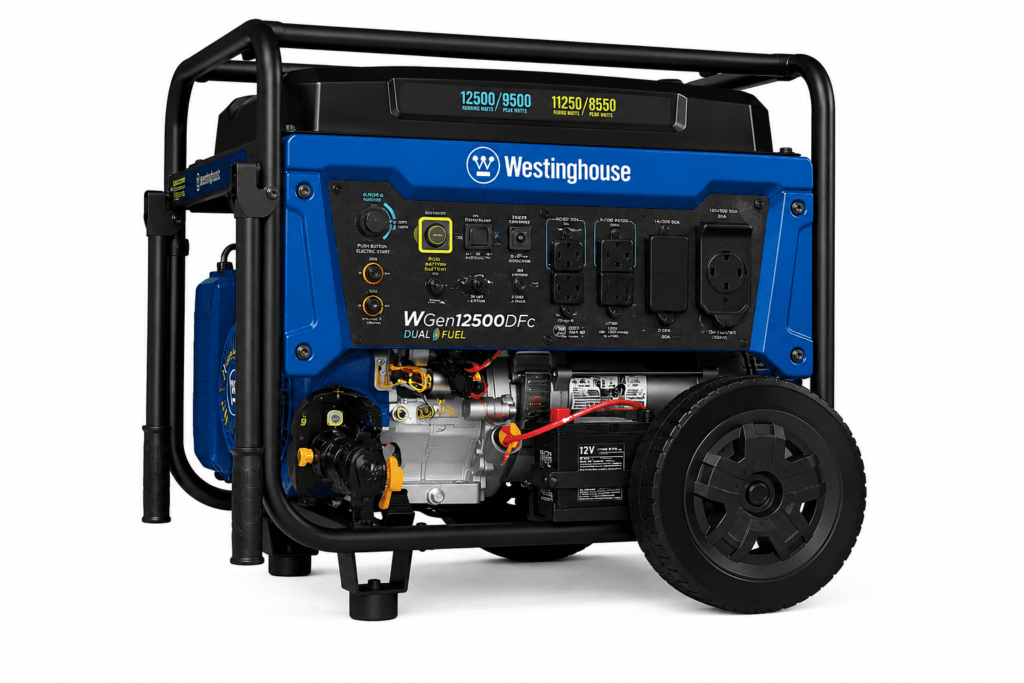
What Is a Conventional Generator?
A conventional generator uses a standard engine to produce electricity at a fixed speed.
These generators are commonly used for:
- home backup power
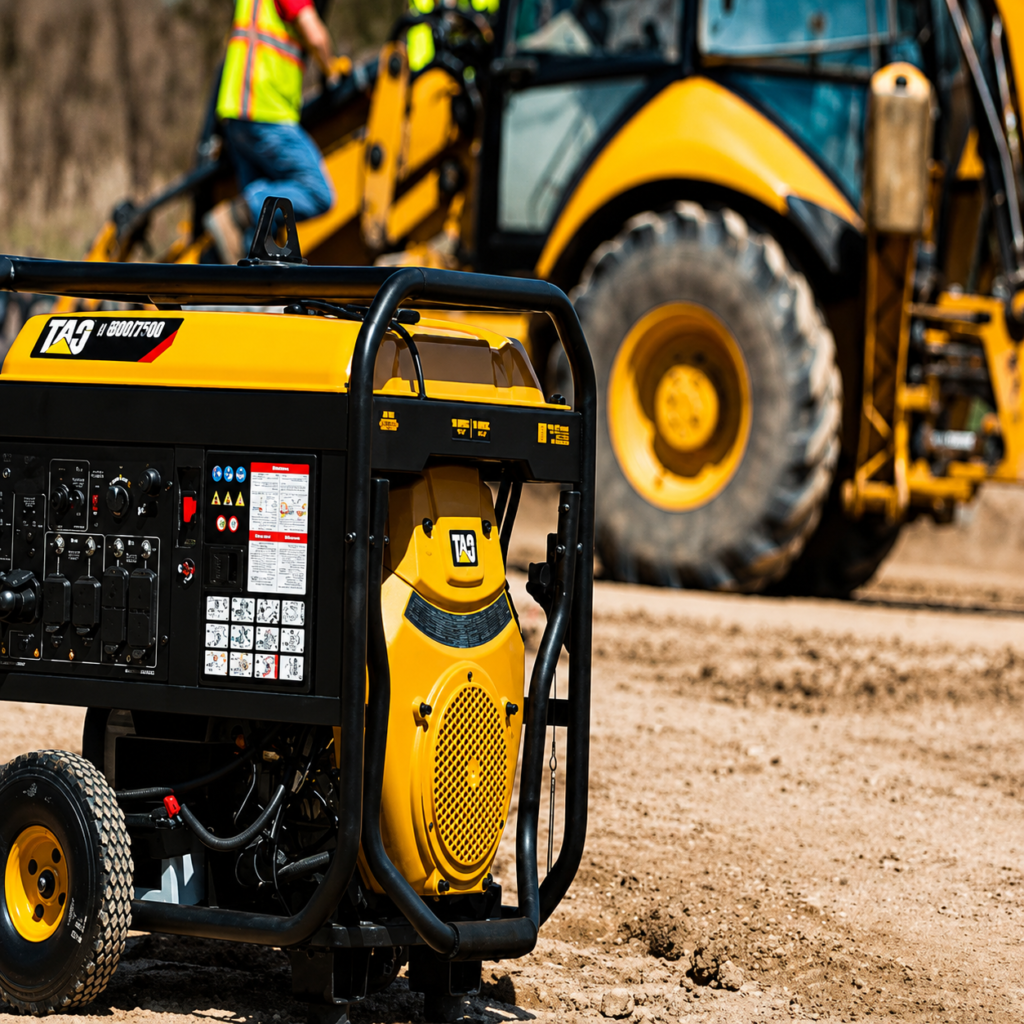
- construction sites
- large appliances
- emergency preparedness
Conventional generators usually provide:
- higher wattage
- longer runtime potential
- lower upfront pricing
Popular conventional generators include:
- Generac GP Series
- DuroMax XP Series
- Champion Open Frame Generators
Power Quality Comparison
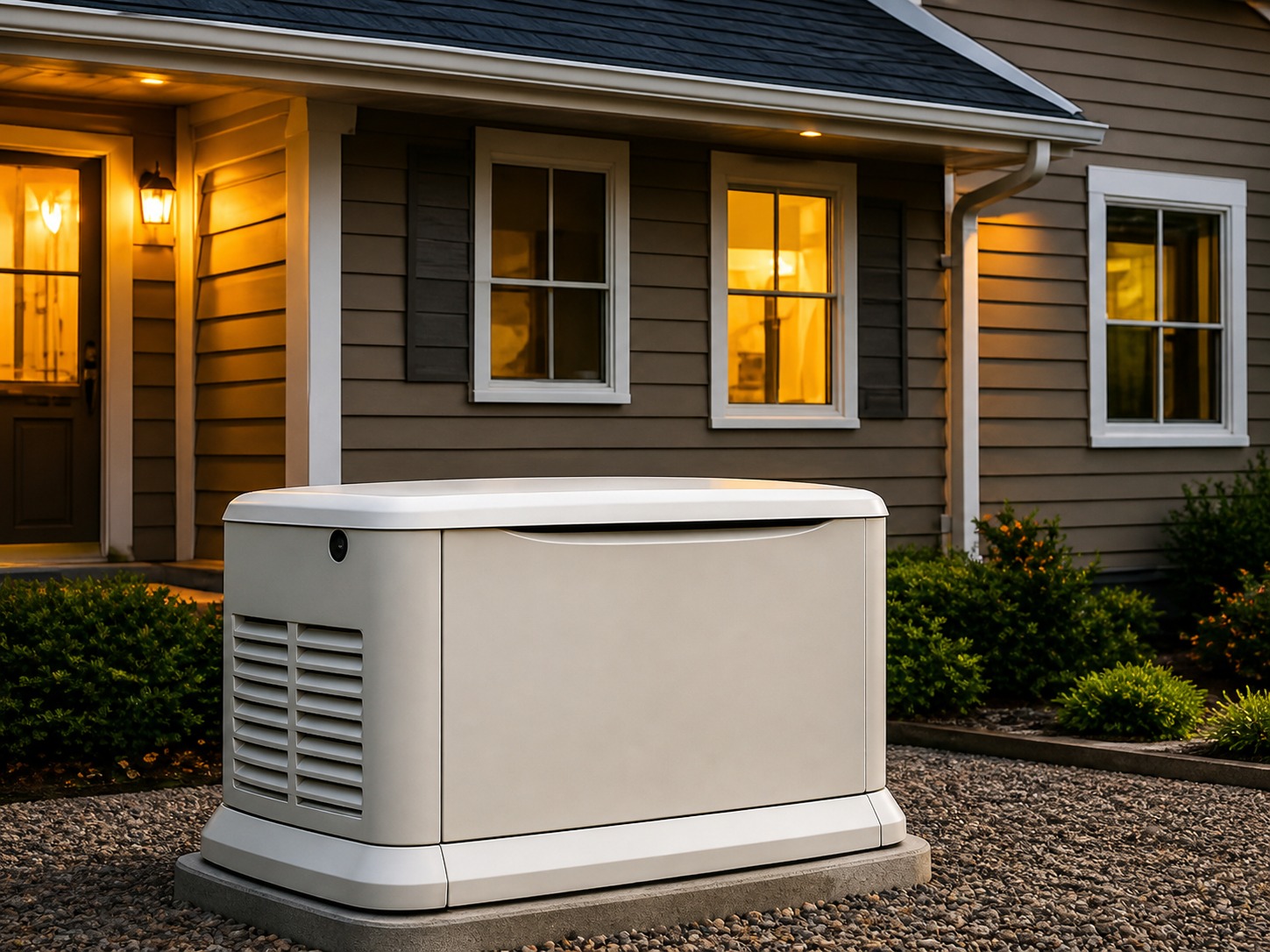
Inverter Generators Produce Cleaner Power
One of the biggest advantages of inverter generators is clean electricity.
This is important for sensitive electronics like:
- laptops
- smartphones
- gaming systems
- TVs
- medical equipment
Inverter generators regulate power output more precisely, reducing voltage fluctuations.
This makes them ideal for modern electronics.
Conventional Generators Produce Rougher Power
Traditional generators can sometimes produce less stable electricity.
This may not matter for:
- tools
- refrigerators
- lights
- pumps
But sensitive electronics can potentially be damaged by unstable power from lower-quality conventional generators.
Noise Level Comparison
Inverter Generators Are Much Quieter
Quiet operation is one of the biggest reasons people choose inverter generators.
Most inverter generators operate between:
- 48–60 decibels
That’s similar to normal conversation levels.
This makes them excellent for:
- camping
- RV parks
- neighborhoods
- nighttime use
Conventional Generators Are Louder
Conventional generators are usually significantly louder.
Many open-frame generators operate between:
- 65–85+ decibels
This can become disruptive during:
- camping
- residential outages
- overnight operation
Fuel Efficiency Comparison
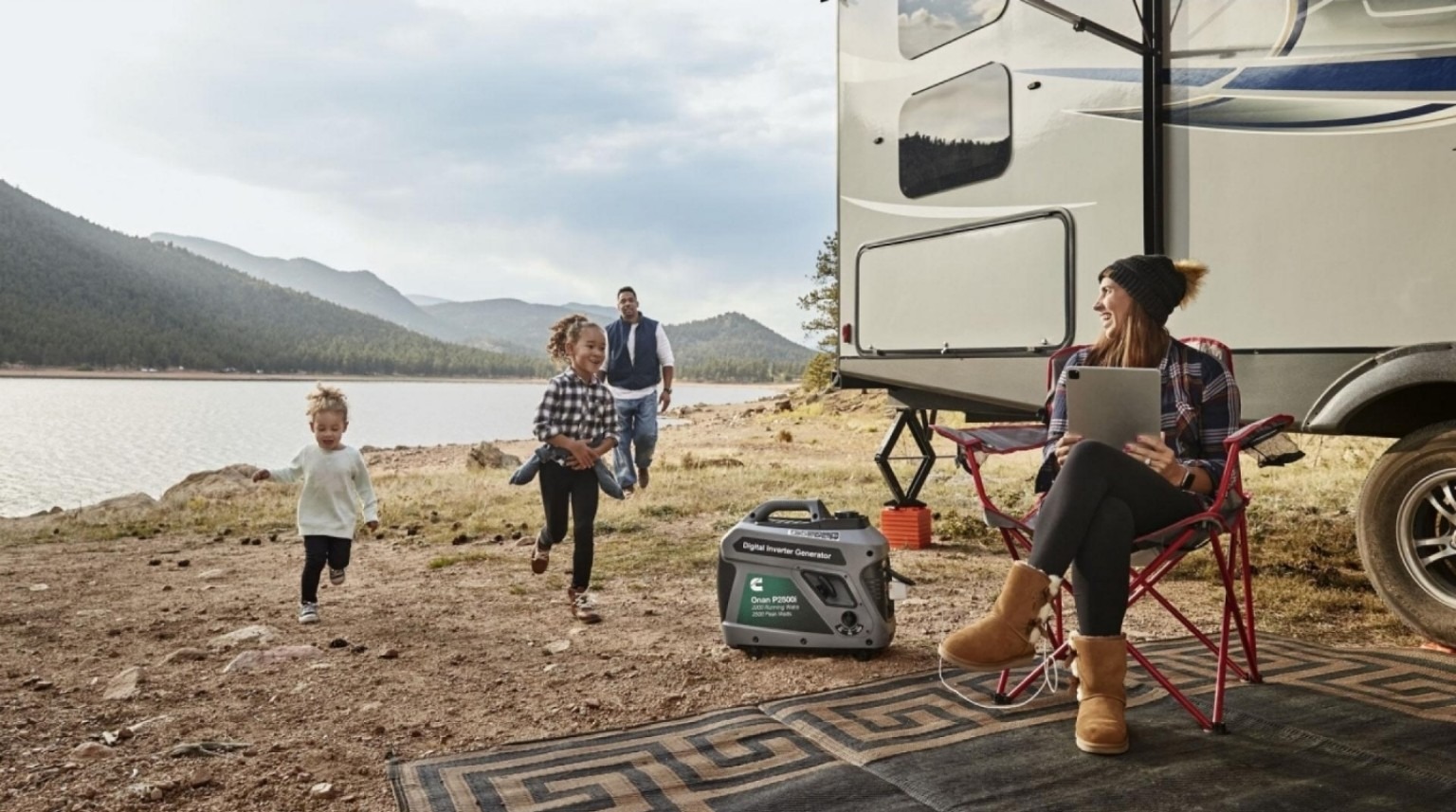
Inverter Generators Save Fuel
Because inverter generators adjust engine speed automatically, they only use the amount of fuel needed for current power demand.
This results in:
- lower fuel consumption
- longer runtime
- reduced operating costs
Fuel efficiency is especially important during:
- long outages
- camping trips
- emergencies
Conventional Generators Use More Fuel
Conventional generators run at fixed speed continuously, even when demand is low.
This often results in:
- higher fuel consumption
- shorter runtime per gallon
However, larger fuel tanks can sometimes offset this disadvantage.
Power Output Comparison
Conventional Generators Usually Produce More Power
One major advantage of conventional generators is higher wattage capability.
Many conventional generators can run:
- air conditioners
- well pumps
- large appliances
- entire homes
Some models exceed:
- 10,000 watts
This makes them excellent for:
- emergency home backup
- heavy-duty applications
Inverter Generators Usually Have Lower Wattage
Most inverter generators are designed for:
- smaller appliances
- electronics
- RV systems
- portable use
Typical inverter generator ranges include:
- 2,000–4,500 watts
Larger inverter generators exist, but prices increase significantly.
Portability Comparison
Inverter Generators Are More Portable
Inverter generators are usually:
- lighter
- more compact
- easier to transport
This makes them ideal for:
- camping
- tailgating
- RV travel
- portable emergency use
Conventional Generators Are Heavier
Traditional generators are often larger and heavier because of:
- bigger engines
- larger fuel tanks
- open-frame designs
Many require wheels for transport.
Cost Comparison
Conventional Generators Are Usually Cheaper
Traditional generators often provide more wattage for less money.
This makes them attractive for:
homeowners on a budget
emergency backup power
Inverter Generators Cost More
Inverter technology increases price.
However, buyers often pay extra for:
quiet operation
fuel savings
electronics safety
portability
Best Uses for Inverter Generators
Inverter generators are best for:
- camping
- RV use
- electronics
- tailgating
- quiet neighborhoods
- portable backup power
Best Uses for Conventional Generators
Conventional generators are best for:
- home backup power
- long outages
- high-wattage appliances
- construction sites
- emergency preparedness
Best Inverter Generators
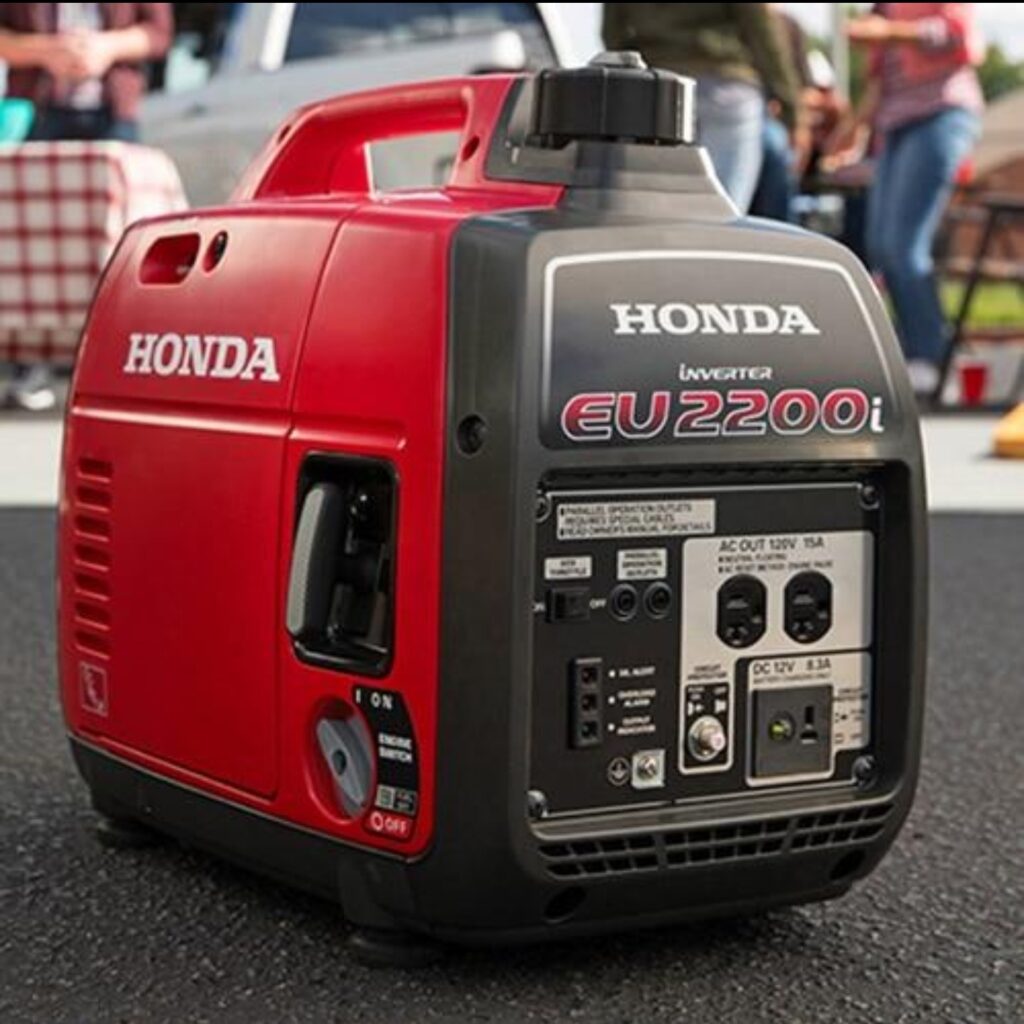
Honda EU2200i
Excellent for:
- reliability
- quiet operation
- fuel efficiency
Westinghouse iGen4500
Excellent for:
- RV use
- home backup
- longer runtime
Predator 3500
Excellent for:
- value
- quiet portable power
Best Conventional Generators
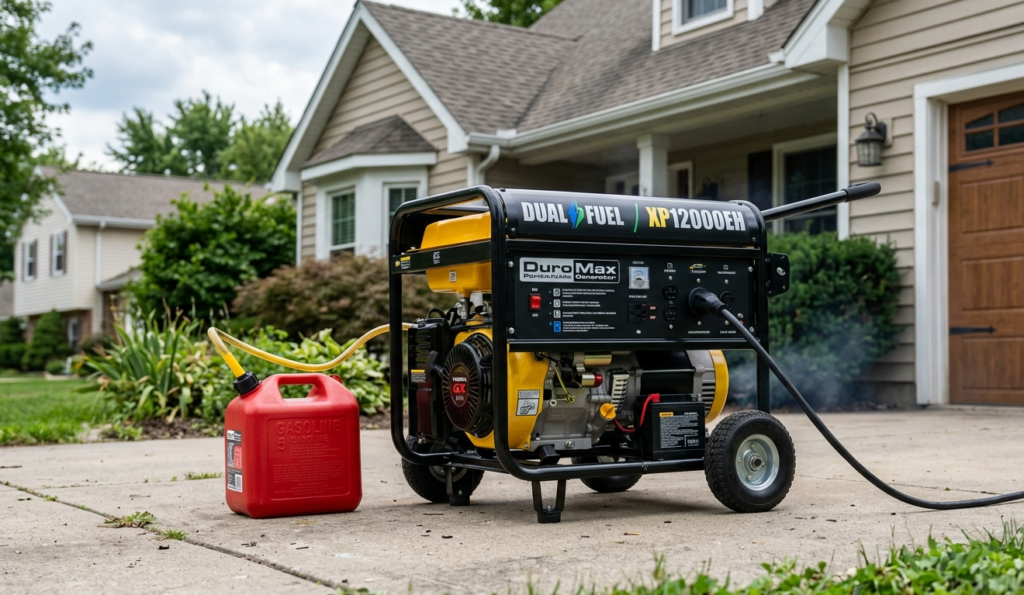
DuroMax XP12000EH
Excellent for:
- whole-home backup
- dual fuel operation
Generac GP8000E
Excellent for:
- emergency home backup
- larger appliances
Champion Open Frame Generator
Excellent for:
- affordability
- high wattage
Which Generator Is Better for Home Backup?
Choose an Inverter Generator If:
- you need quiet operation
- you use sensitive electronics
- portability matters
- you camp or RV frequently
Choose a Conventional Generator If:
- you need maximum wattage
- you want lower upfront cost
- you power large appliances
- you need whole-home backup
Final Verdict
Both inverter generators and conventional generators have important advantages depending on your needs.
Inverter generators excel in:
- quiet performance
- fuel efficiency
- electronics safety
- portability
Conventional generators excel in:
- higher power output
- heavy-duty backup
- lower upfront pricing
- long emergency runtime
For many homeowners, campers, and emergency preppers, choosing the right generator comes down to:
- how much power you need
- how quiet you want operation to be
- whether you plan to power electronics
- how portable the generator needs to be
As backup power technology continues evolving, inverter generators are becoming increasingly popular for modern portable power needs, while conventional generators remain powerful solutions for heavy-duty emergency backup.