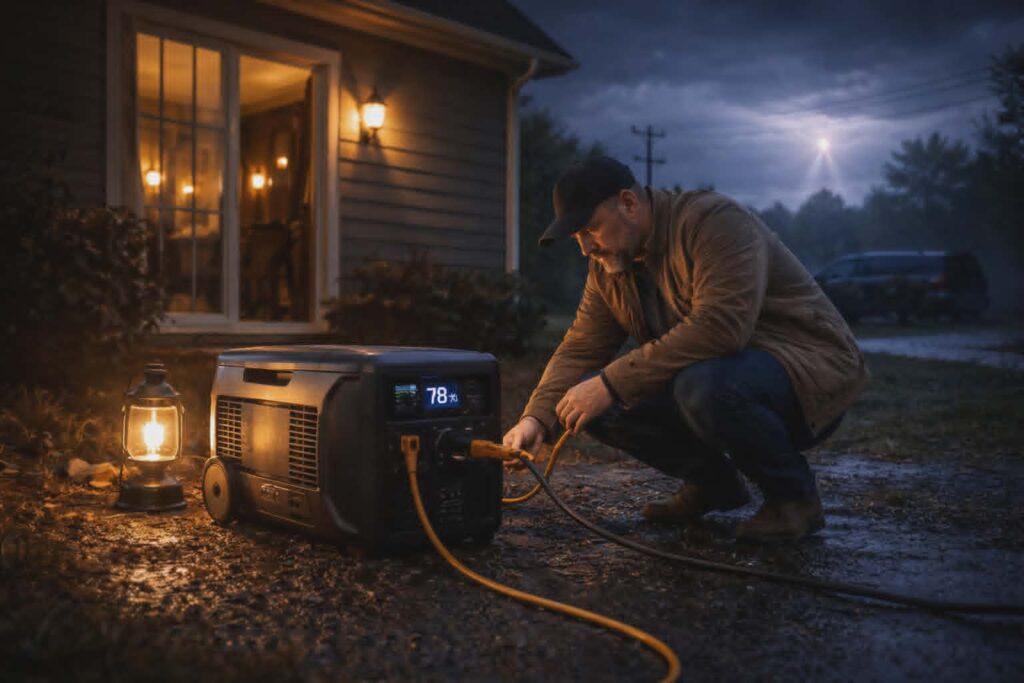
Solar Backup vs Whole House Generator
When protecting your home from blackouts, storms, and emergency power outages, one of the biggest decisions homeowners face is:
Should you choose a solar backup system or a whole house generator?
Both systems provide emergency electricity during outages, but they operate very differently and are designed for different priorities.
Solar backup systems are known for:
- quiet operation
- renewable energy
- battery storage
- low maintenance
- indoor-safe power
Whole house generators are known for:
- automatic backup power
- high wattage output
- powering entire homes
- long runtime during extended outages
In this complete comparison guide, we’ll compare:
- power output
- runtime
- installation
- maintenance
- fuel and charging
- costs
- emergency preparedness
- long-term value
By the end, you’ll know which backup power solution is best for your home.
Quick Verdict
If you want automatic full-home backup power during long outages, a whole house generator is usually the better choice.
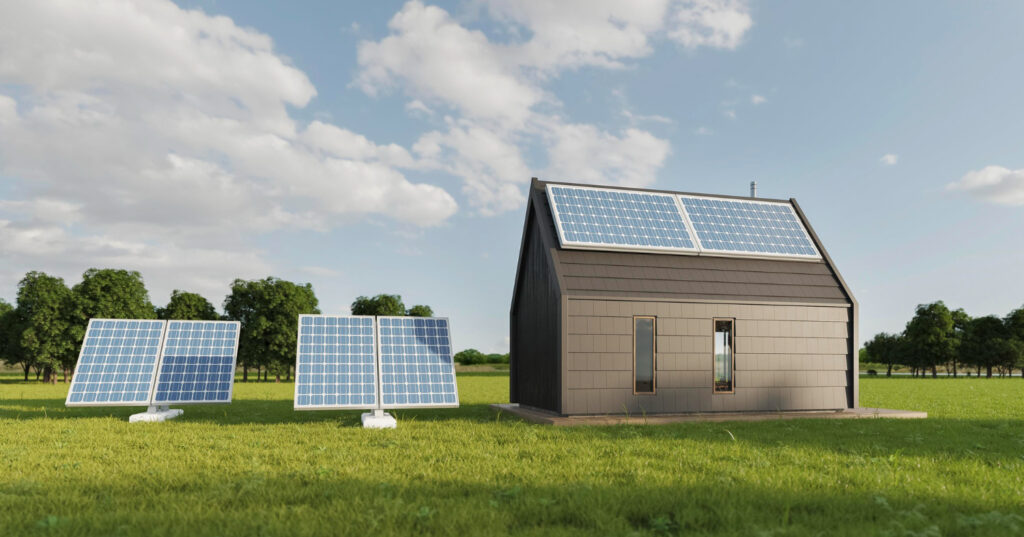
If you want quiet, eco-friendly backup power with lower maintenance and solar charging capability, a solar backup system may be the better option.
Many homeowners now combine both systems for complete emergency preparedness.
Solar Backup System vs Whole House Generator
| Feature | Solar Backup System | Whole House Generator |
|---|---|---|
| Power Source | Battery + Solar Panels | Natural Gas/Propane |
| Noise Level | Nearly Silent | Moderate |
| Indoor Safe | Yes | No |
| Emissions | None | Yes |
| Whole Home Capability | Limited to Moderate | Excellent |
| Runtime | Battery limited | Continuous fuel supply |
| Maintenance | Very Low | Moderate |
| Automatic Backup | Some systems | Yes |
| Fuel Required | No | Yes |
| Solar Charging | Yes | No |
| Installation Complexity | Moderate | High |
| Long-Term Operating Cost | Lower | Higher fuel costs |
What Is a Solar Backup System?
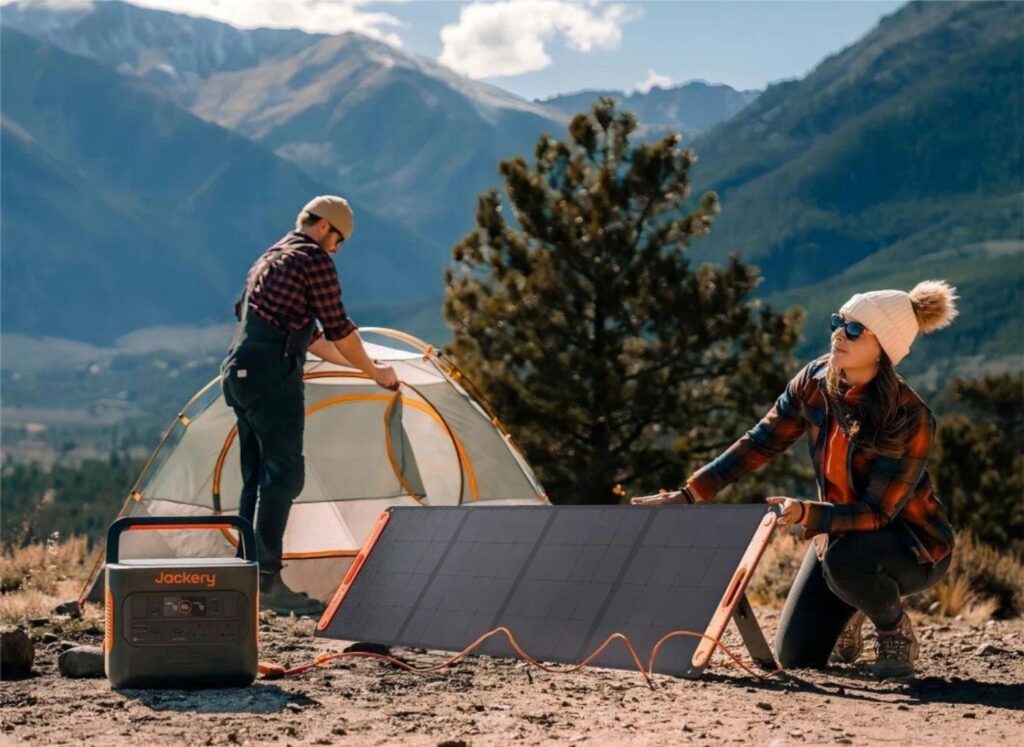
A solar backup system stores electricity in batteries and can recharge using:
- solar panels
- grid power
- backup charging systems
These systems are commonly used for:
- emergency home backup
- energy storage
- reducing electric bills
- off-grid power
- silent backup electricity
Solar backup systems usually include:
- battery storage
- inverter systems
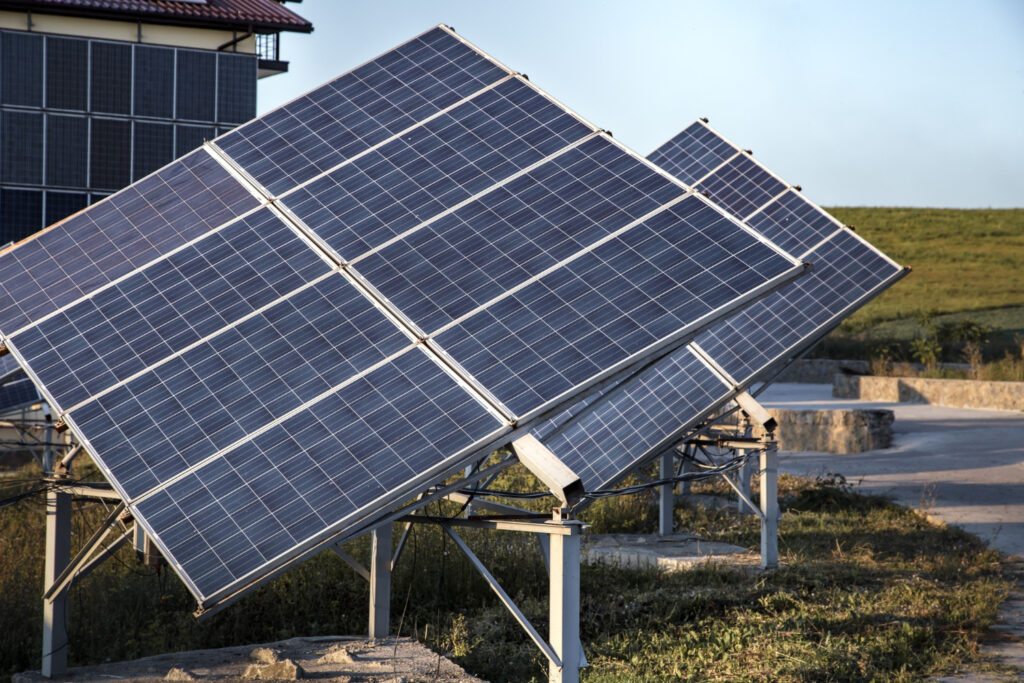
- solar panels
- monitoring systems
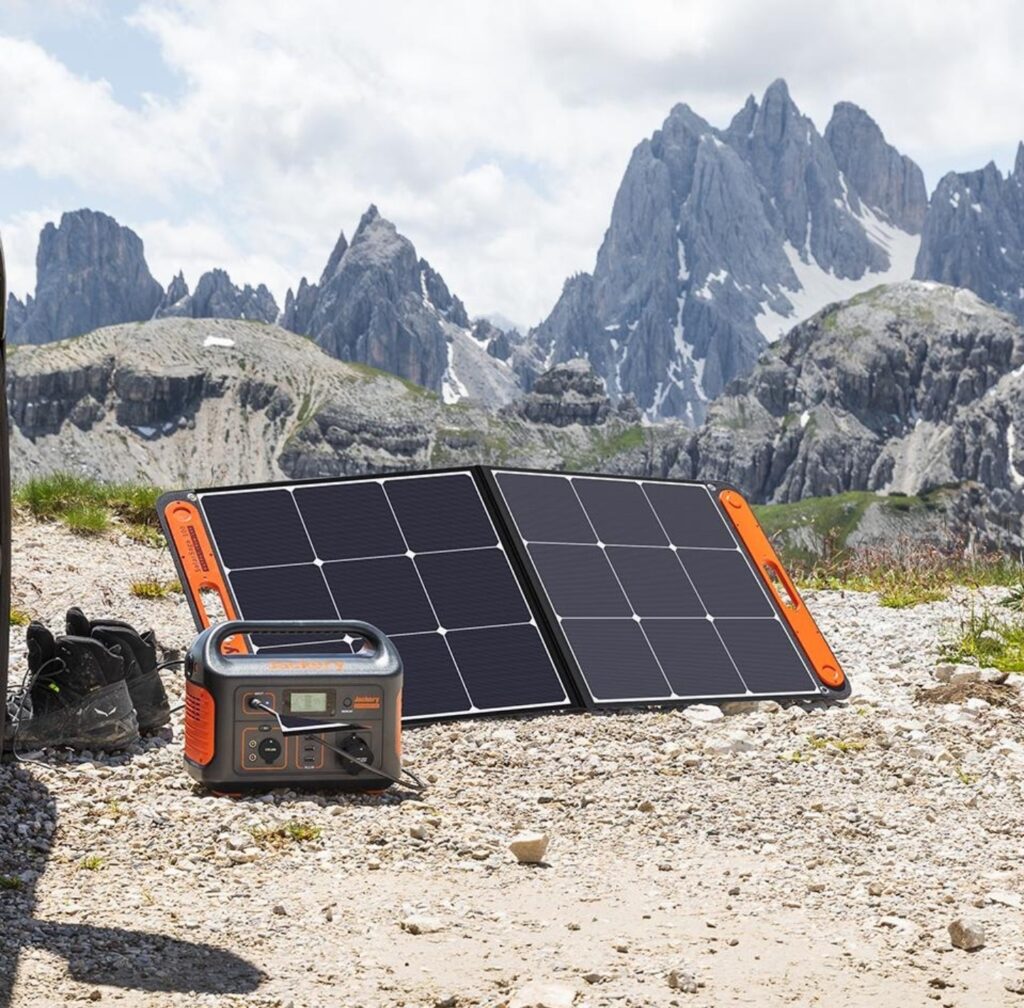
Popular solar backup brands include:
- EcoFlow
- Tesla Powerwall
- Bluetti
- Jackery
- Goal Zero

What Is a Whole House Generator?
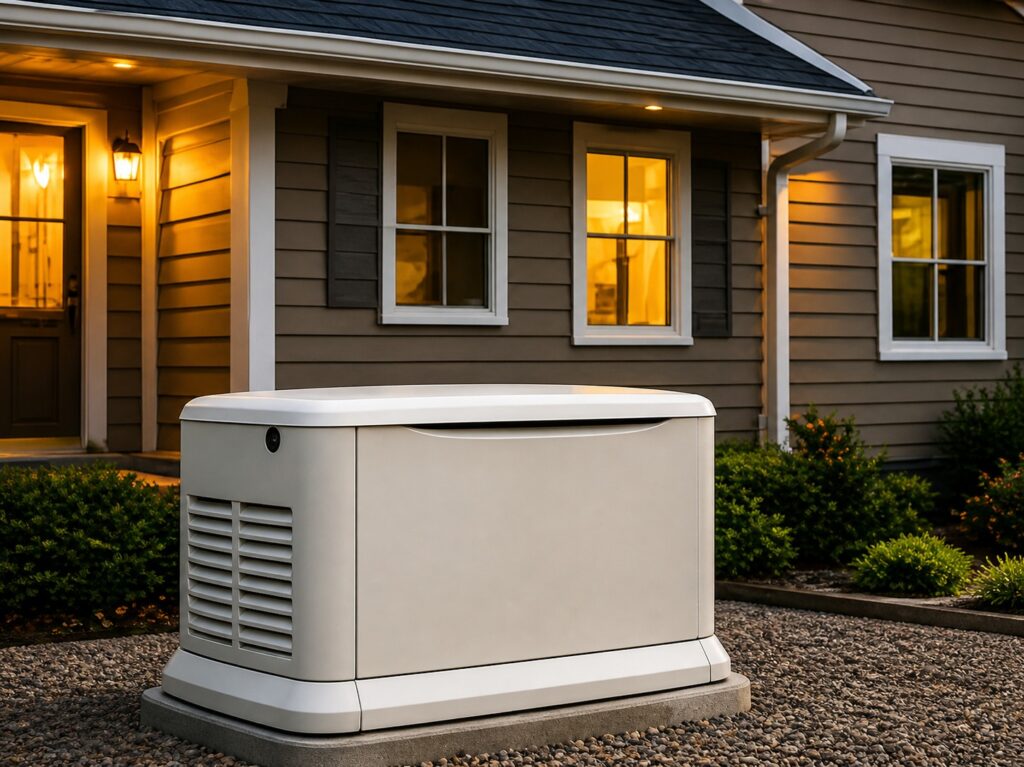
A whole house generator, also called a standby generator, is a permanently installed backup power system connected directly to your home.
These generators automatically activate during power outages and can power:
- HVAC systems
- refrigerators
- water heaters
- lighting
- medical equipment
- major appliances
- entire electrical panels
Most standby generators use:
- natural gas
- propane
Popular whole house generator brands include:
- Generac
- Kohler
- Briggs & Stratton
Power Output Comparison
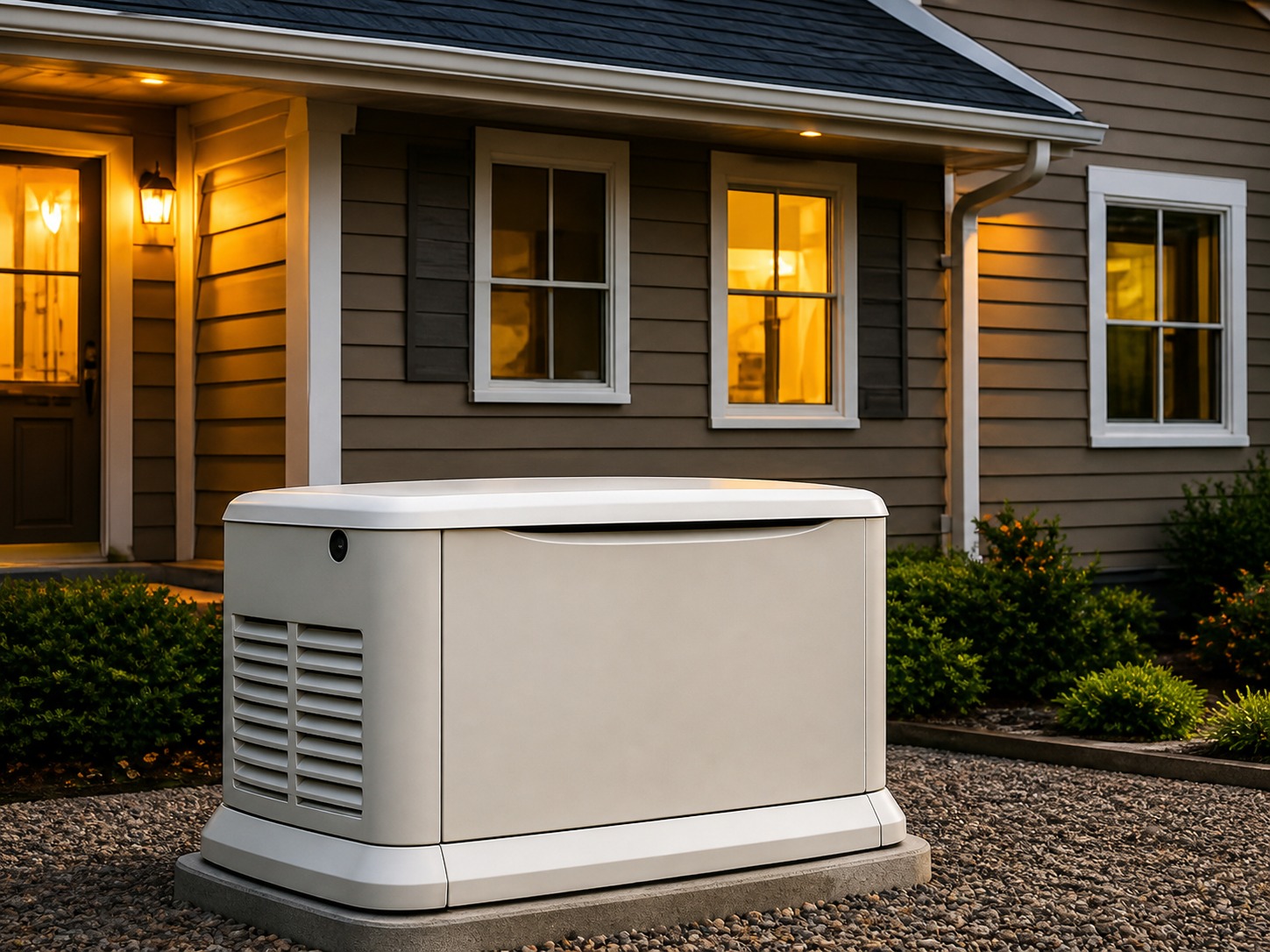
Whole House Generators Produce More Power
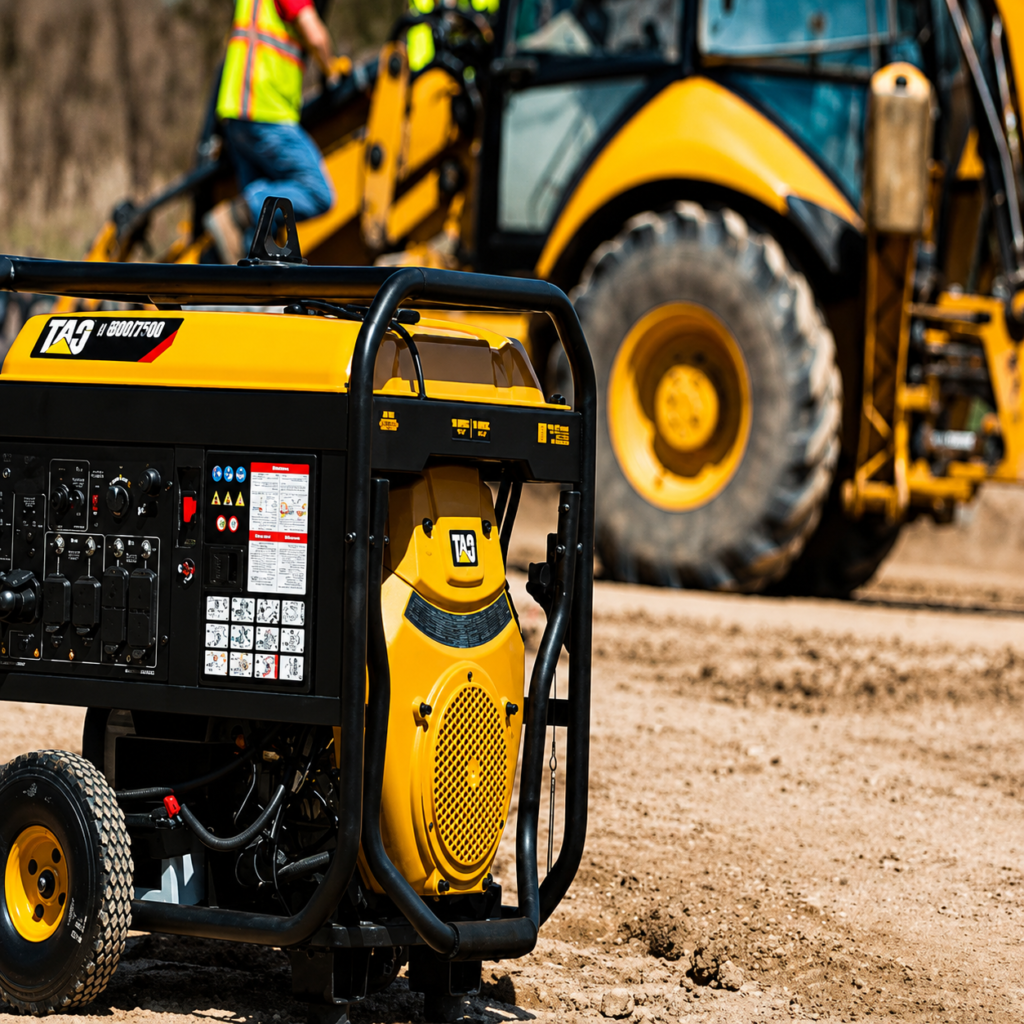
One of the biggest advantages of standby generators is high wattage capability.
Many systems provide:
- 10,000–26,000+ watts
This allows them to power:
- entire homes
- central air conditioning
- large appliances
- multiple circuits simultaneously
For long emergency outages, whole house generators remain one of the most powerful backup solutions available.
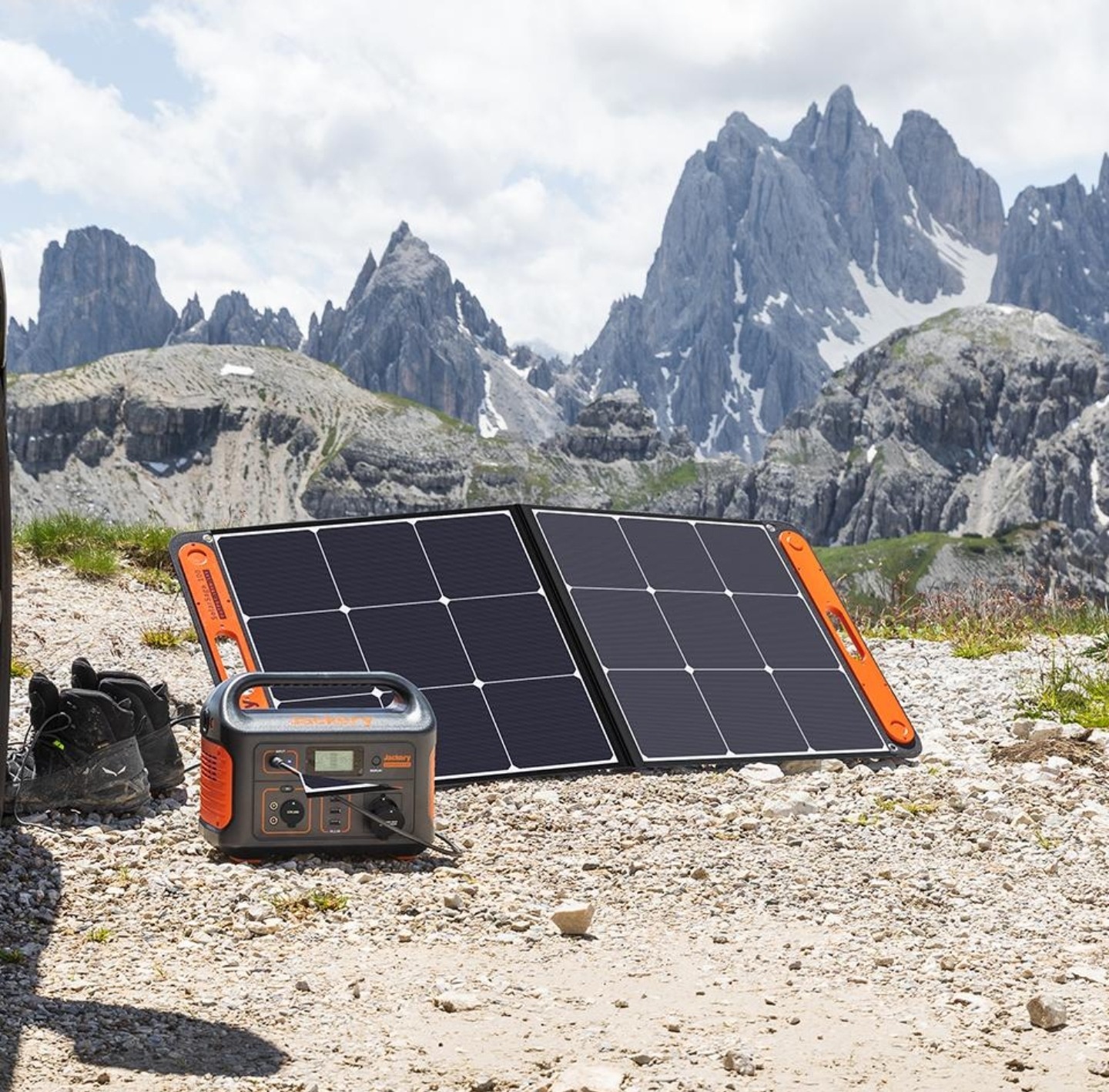
Solar Backup Systems Have Battery Limits
Solar backup systems are excellent for:
- essential appliances
- refrigerators
- lights
- electronics
- Wi-Fi
- medical devices
Larger systems can power more devices, but battery limitations still exist.
Heavy appliances like:
- central air conditioners
- electric water heaters
- large HVAC systems
can drain batteries quickly.
Runtime Comparison
Whole House Generators Can Run Continuously
As long as fuel supply remains available, standby generators can operate for:
- days
- sometimes weeks
Natural gas connections provide especially long runtime during outages.
This makes whole house generators ideal for:
- hurricanes
- snowstorms
- long blackouts
Solar Backup Runtime Depends on Battery Capacity
Solar backup systems rely on stored battery energy.
Recharge capability depends on:
- solar panel size
- sunlight conditions
- energy usage
Cloudy weather and nighttime reduce charging capability.
However, properly sized systems can still provide excellent short-term backup power.
Noise Level Comparison
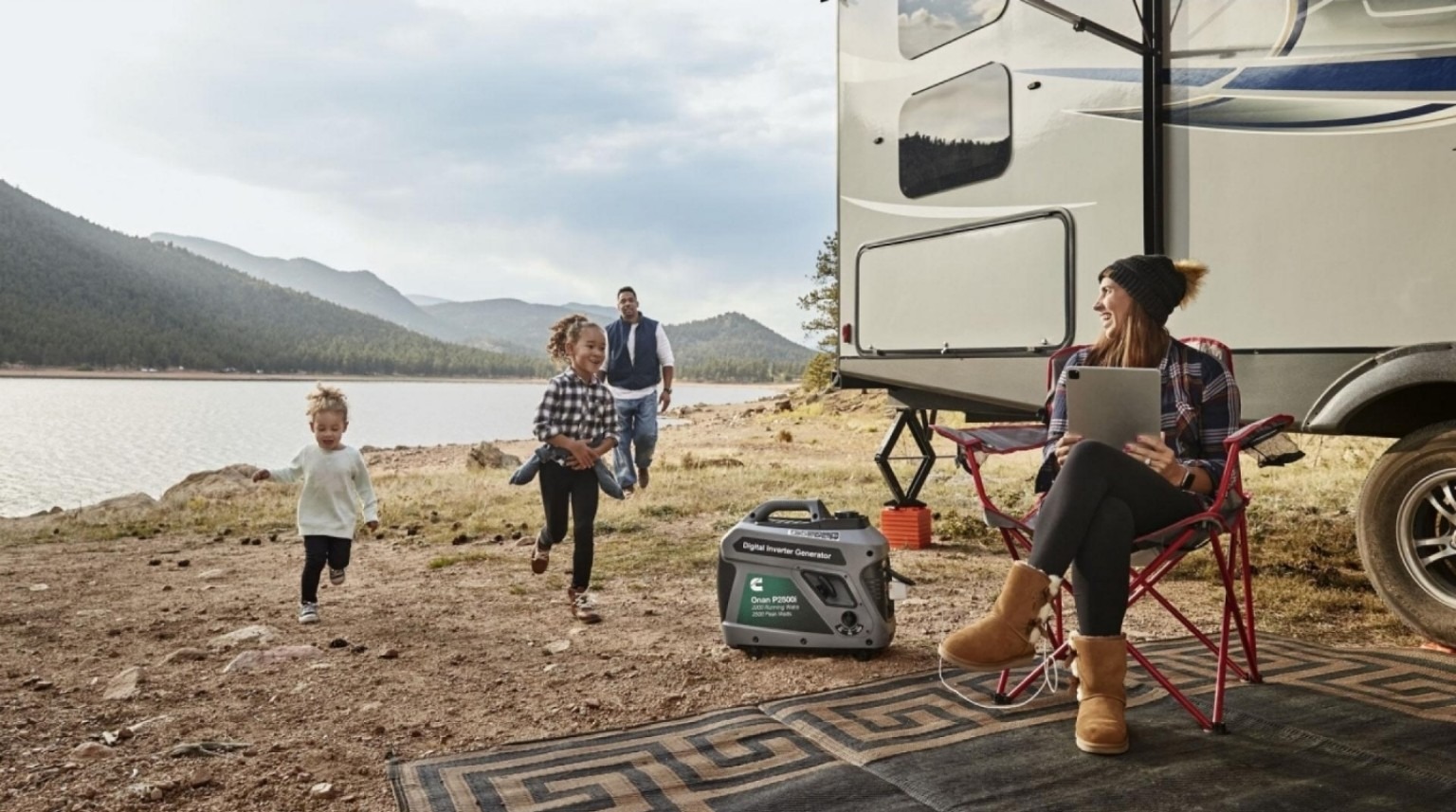
Whole House Generators Produce Engine Noise
Standby generators are quieter than many portable generators but still create:
- engine sound
- vibration
- exhaust noise
Modern enclosed systems reduce noise significantly.
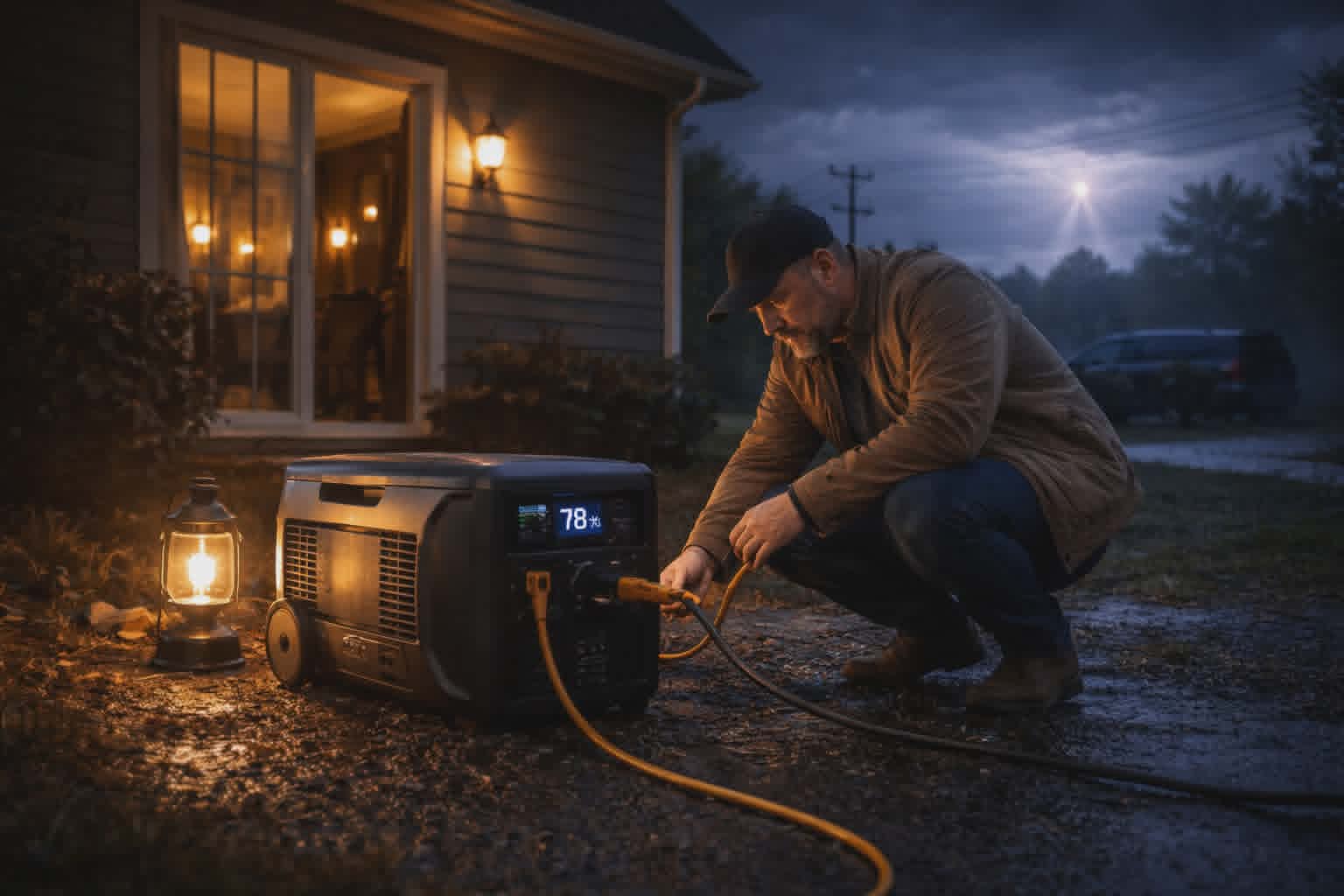
Solar Backup Systems Are Nearly Silent
Solar battery systems operate almost silently.
This makes them ideal for:
- neighborhoods
- indoor installations
- nighttime outages
- quiet home environments
Silent operation is one of the biggest advantages of solar energy storage systems.
Safety Comparison
Whole House Generators Require Fuel Combustion
Standby generators produce:
- exhaust fumes
- carbon monoxide
- combustion heat
Professional installation and ventilation are critical.
Solar Backup Systems Are Indoor Safe
Solar battery systems:
- produce no emissions
- create no carbon monoxide
- require no combustion
This makes them extremely safe for indoor operation.
Maintenance Comparison
Whole House Generators Require Maintenance
Routine maintenance includes:
- oil changes
- engine servicing
- battery checks
- fuel system inspections
Most systems also perform automatic self-testing.
Solar Backup Systems Require Minimal Maintenance
Solar systems typically require:
- battery monitoring
- occasional software updates
- solar panel cleaning
No fuel or engine maintenance is needed.
Installation Comparison
Whole House Generator Installation
Professional installation usually includes:
- electrical integration
- automatic transfer switch setup
- fuel line installation
- permits and inspections
Installation costs can be significant.
Solar Backup Installation
Solar backup systems may require:
- battery installation
- inverter setup
- electrical integration
- solar panel installation
Installation complexity depends on system size.
Cost Comparison
Whole House Generator Costs
Typical standby generator systems including installation cost:
$5,000–$15,000+
Large premium systems may cost even more.
Fuel costs continue over time.
Solar Backup System Costs
Solar battery systems commonly range between:
$5,000–$25,000+
depending on:
battery capacity
solar panel size
installation complexity
However, operating costs are often lower long-term.
Best Uses for Solar Backup Systems
Solar backup systems are best for:
- quiet home backup
- energy independence
- reducing utility costs
- indoor-safe power
- eco-friendly energy storage
- short-to-medium outages
Best Uses for Whole House Generators
Whole house generators are best for:
- complete home backup
- long outages
- powering HVAC systems
- automatic emergency power
- uninterrupted comfort
Best Solar Backup Systems
EcoFlow Delta Pro
Excellent for:
- expandable backup power
- emergency preparedness
Tesla Powerwall
Excellent for:
- home energy storage
- solar integration
Bluetti AC300 System
Excellent for:
- modular backup systems
- battery expansion
Best Whole House Generators
Generac Guardian Series
Excellent for:
- automatic home backup
- whole-home protection
Kohler Standby Generators
Excellent for:
- premium reliability
- long-term performance
Briggs & Stratton Standby Generators
Excellent for:
- residential emergency backup
Which Backup System Is Better for Your Home?
Choose a Solar Backup System If:
- you want quiet operation
- indoor-safe power matters
- you value renewable energy
- you want low maintenance
- short outages are most common
Choose a Whole House Generator If:
- you need maximum power
- outages are frequent or long
- you want automatic backup
- you need to power your entire home
The Best Solution May Be Both
Many homeowners now combine:
- solar battery backup
- whole house generators
This creates:
- silent daily backup power
- long-term outage protection
- energy flexibility
- emergency redundancy
Hybrid backup systems are becoming increasingly popular for complete home preparedness.
Final Verdict
Both solar backup systems and whole house generators provide valuable protection during emergencies and outages.
Whole house generators remain the best option for:
- full-home backup
- long outages
- high-power appliances
- automatic emergency power
Solar backup systems excel in:
- quiet operation
- low maintenance
- indoor safety
- renewable energy storage
The right backup solution depends on:
- your budget
- outage frequency
- home size
- power needs
- long-term energy goals
As extreme weather and grid instability continue increasing, investing in reliable backup power has become more important than ever for homeowners.