If your home relies on a septic system, a power outage can create much bigger problems than simply losing your lights. Many modern septic systems depend on electricity to operate pumps, grinder pumps, lift stations, aerators, alarms, and control panels. When utility power is lost, these components stop working immediately.
Without backup power, wastewater may not be processed correctly, septic alarms can activate, and in some situations sewage backups can occur. For homeowners with pumped septic systems, having a properly sized generator isn’t just about convenience—it can help prevent costly repairs and unpleasant emergencies.
Fortunately, most residential septic systems don’t require extremely large generators. However, because septic pumps contain electric motors, they require considerably more power during startup than while running. Choosing a generator with enough starting wattage is often the most important factor.
In this guide, we’ll compare the best generators for septic systems in 2026, explain generator sizing for septic pumps and grinder pumps, discuss portable versus standby generators, and help you choose the right backup power solution for your home.
Quick Picks: Best Generators for Septic Systems
| Category | Generator | Best For |
|---|---|---|
| Best Overall | Firman Tri Fuel Portable Generator T08073 | Most residential septic systems |
| Best Dual-Fuel | Westinghouse WGen9500DF | Septic and well pump backup |
| Best Tri-Fuel | Predator 13,000-Watt Tri-Fuel Generator | Larger homes and extended outages |
| Best Quiet Inverter | Predator 9500 Inverter Generator | Residential neighborhoods |
| Best Whole-House | Generac 24kW Home Standby Generator | Automatic backup protection |
Why Septic Systems Need Backup Power
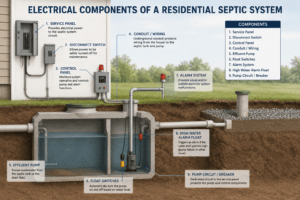
Many homeowners assume their septic system will continue working during an outage. That may be true for some gravity-fed systems, but many modern septic systems rely on electrical components.
These may include:
- Septic pumps
- Grinder pumps
- Lift stations
- Aerators
- Alarm systems
- Control panels
- Effluent pumps
If these components lose power, wastewater movement can stop until electricity is restored.
Homes with advanced treatment systems or pumped septic systems are especially dependent on reliable backup power.
How Much Power Does a Septic Pump Use?
The exact power requirements depend on the size of the pump motor.
| Pump Size | Running Watts | Starting Watts |
|---|---|---|
| 1/3 HP | 800–1,000 | 1,500–2,000 |
| 1/2 HP | 1,000–1,500 | 2,000–3,000 |
| 3/4 HP | 1,500–2,000 | 3,000–4,500 |
| 1 HP | 2,000–2,500 | 4,000–6,000 |
The starting wattage is usually the determining factor when selecting a generator because electric motors require a brief surge of power when they first start.
If your home also relies on a well pump, refrigerator, furnace blower, or freezer, you’ll need additional generator capacity.
Our Top Picks
Best Overall
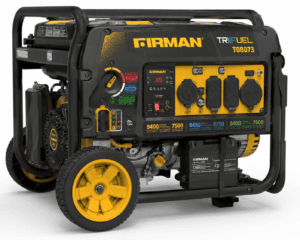
Firman Tri Fuel Portable Generator T08073
Why We Picked It
The Firman T08073 earns our Best Overall award because it offers an excellent balance of power, flexibility, and reliability. Its tri-fuel capability allows it to operate on gasoline, propane, or natural gas, making it a great choice for homeowners preparing for extended outages.
With plenty of starting wattage, it can handle many residential septic pumps while still powering other essential appliances like refrigerators, freezers, lighting, and internet equipment.
Pros
- Runs on three fuel types
- Excellent surge capacity
- Long runtime
- Electric start
- Transfer switch compatible
- Ideal for emergency preparedness
Cons
- Heavier than compact inverter generators
- Louder than enclosed inverter models
Best For
- Septic pump systems
- Grinder pumps
- Rural homes
- Extended outages
- Home backup power
Best Dual-Fuel Generator
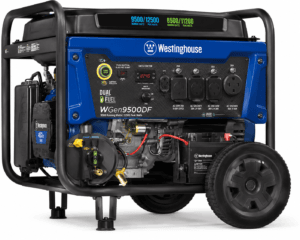
Westinghouse WGen9500DF Dual Fuel Portable Generator
Why We Picked It
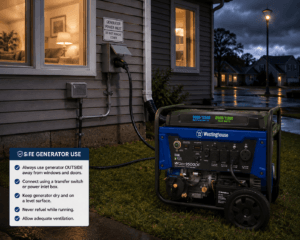
The Westinghouse WGen9500DF is one of the most popular backup generators for homeowners who need enough power to operate both a septic system and a well pump. Its dual-fuel capability lets you switch between gasoline and propane, providing additional flexibility when fuel supplies become limited.
The strong starting wattage makes it well suited for motor-driven equipment commonly found in rural homes.
Pros
- Dual-fuel operation
- High starting wattage
- Electric start
- Long runtime
- Reliable performance
Cons
- Heavy to move
- Larger footprint than smaller generators
Best For
- Rural properties
- Septic systems
- Well pumps
- Multi-day outages
Best Tri-Fuel Generator
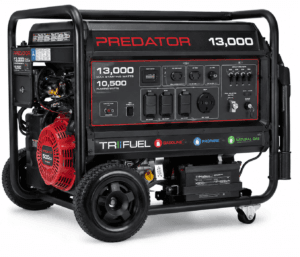
Predator 13,000-Watt Tri-Fuel Portable Generator
Why We Picked It
If your home has a larger septic system or you want to power additional household circuits during an outage, the Predator 13,000-Watt Tri-Fuel Generator is an outstanding option.
Its high surge capacity makes it capable of handling larger pump motors while still supporting major household appliances. The ability to operate on natural gas, propane, or gasoline provides valuable flexibility during long-term emergencies.
Pros
- Very high starting wattage
- Tri-fuel capability
- Excellent for larger homes
- Long runtime
- Strong emergency performance
Cons
- Higher purchase price
- Larger and heavier than most portable generators
Best For
- Larger homes
- Heavy-duty septic systems
- Multiple motor loads
- Whole-home backup with a transfer switch
Generator Comparison
| Generator | Fuel Type | Electric Start | Best For |
|---|---|---|---|
| Firman T08073 | Tri-Fuel | ✔ | Best Overall |
| Westinghouse WGen9500DF | Dual Fuel | ✔ | Septic + Well Pump |
| Predator 13,000 Tri-Fuel | Tri-Fuel | ✔ | Larger Homes |
Choosing the Right Generator for Your Septic System
When selecting a generator, don’t focus only on running watts. Motor-driven septic pumps require additional startup power, and many homeowners also want to operate refrigerators, lights, internet equipment, or a well pump during an outage.
Before purchasing, determine:
- Septic pump horsepower
- Running watts
- Starting watts
- Other appliances you’ll power
- Preferred fuel type
- Desired runtime
Sizing your generator correctly today can help prevent overloads and ensure your septic system continues operating safely during future outages.
Best Quiet Inverter Generator
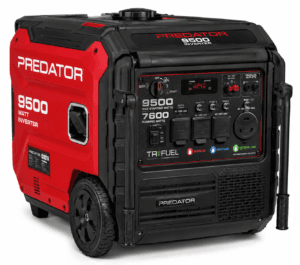
Predator 9500 Watt Inverter Generator
Why We Picked It
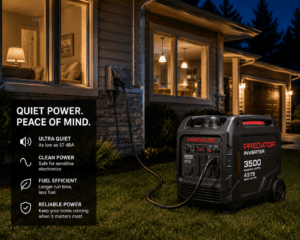
The Predator 9500 Watt Inverter Generator is an excellent choice for homeowners who want a quieter backup power solution without sacrificing the ability to start many residential septic pumps. Unlike traditional open-frame generators, its enclosed inverter design significantly reduces noise while producing clean, stable electricity that’s safe for sensitive electronics.
Its electric start, fuel efficiency, and long runtime make it a strong option for neighborhoods with close neighbors or homeowners who plan to use their generator frequently.
Pros
- Quiet inverter design
- Clean power for electronics
- Electric start
- Excellent fuel efficiency
- Long runtime
- Easy to operate
Cons
- More expensive than conventional generators
- Heavier than smaller inverter models
Best For
- Residential neighborhoods
- Septic systems
- Sensitive electronics
- Home offices
- Overnight operation
Best Whole-House Solution
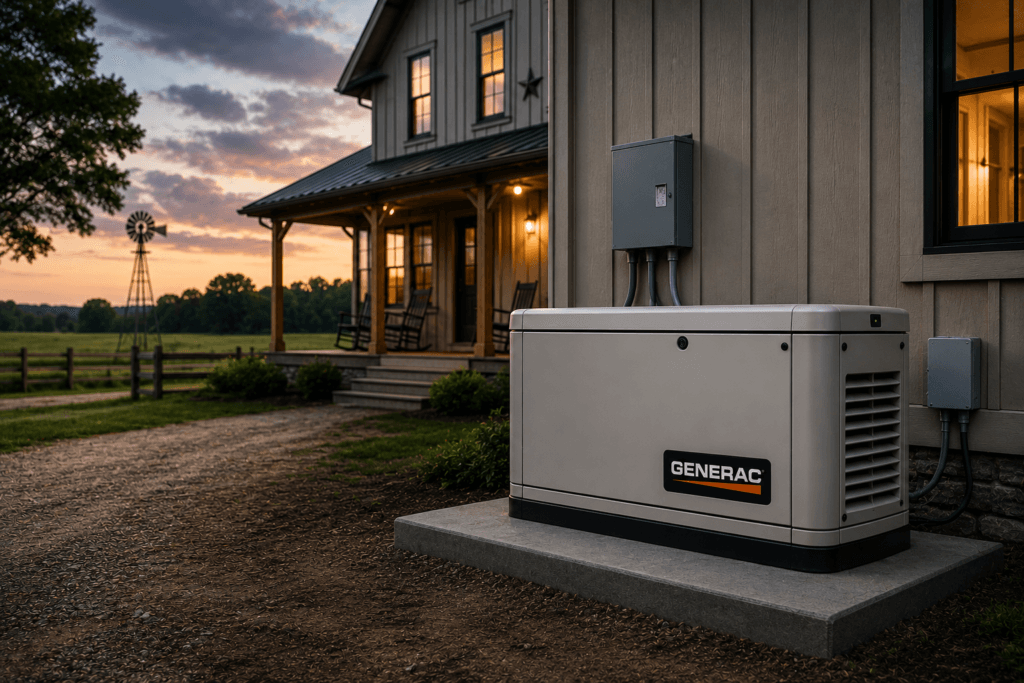
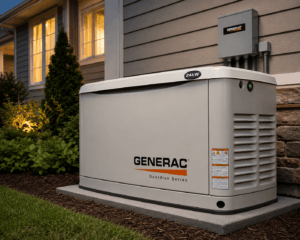
Generac 24kW Home Standby Generator
Why We Picked It
For homeowners who never want to worry about manually starting a generator, the Generac 24kW Home Standby Generator is the ultimate solution.
Unlike portable generators, standby systems automatically detect power outages and restore electricity within seconds. This means your septic system, HVAC, refrigerator, freezer, lighting, and other essential circuits continue operating even if you’re away from home.
For homes with advanced septic systems, lift stations, or homeowners who travel frequently, automatic backup power offers unmatched convenience and peace of mind.
Pros
- Automatic startup
- Whole-home protection
- Runs on natural gas or propane
- No refueling during operation
- Quiet operation
- Reliable long-term backup
Cons
- Highest initial cost
- Professional installation required
Best For
- Whole-home protection
- Advanced septic systems
- Vacation homes
- Long-duration outages
- Homeowners wanting automatic backup
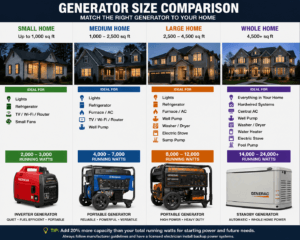
What Size Generator Do You Need for a Septic System?
Choosing the correct generator size depends on both your septic equipment and the other appliances you want to operate.
Basic Septic Pump Only
Recommended Generator Size
3,000–5,000 Watts
Typically suitable for:
- Smaller residential septic pumps
- Alarm systems
- Basic controls
Septic Pump Plus Household Essentials
Recommended Generator Size
5,000–8,000 Watts
Can often power:
- Septic pump
- Refrigerator
- Freezer
- Internet equipment
- LED lighting
- Phone chargers
This range is often the “sweet spot” for many homeowners.
Septic System Plus Well Pump
Recommended Generator Size
7,500–12,000 Watts
Ideal for homes that need to operate:
- Septic pump
- Well pump
- Refrigerator
- Furnace blower
- Essential lighting
Motor-driven equipment requires additional startup power, so it’s wise to leave extra capacity rather than sizing your generator too close to the minimum.
Whole-Home Backup
Recommended Generator Size
18kW–26kW Standby Generator
Suitable for powering:
- Entire septic system
- HVAC system
- Kitchen appliances
- Laundry equipment
- Home office
- Most household circuits
Best Generator for a Grinder Pump
Grinder pumps typically require more starting power than standard septic pumps because they grind waste before pumping it.
Recommended generator size:
5,000–8,000 watts
Top choices include:
- Firman T08073
- Westinghouse WGen9500DF
- Predator 9500 Inverter
Always verify your grinder pump’s starting wattage before selecting a generator.
Best Generator for Septic Aerators
Aerators generally consume much less power than septic pumps.
Recommended generator size:
2,000–3,000 watts
If the aerator is your only critical electrical load, many quality inverter generators can provide sufficient backup power while offering quieter operation and improved fuel efficiency.
Portable Generator vs. Standby Generator
| Feature | Portable Generator | Standby Generator |
|---|---|---|
| Purchase Price | Lower | Higher |
| Installation | Minimal | Professional installation |
| Startup | Manual | Automatic |
| Fuel Options | Gasoline, Propane, Tri-Fuel | Natural Gas or Propane |
| Whole-Home Backup | Limited | Yes |
| Maintenance | Owner performs | Scheduled maintenance |
| Best For | Occasional outages | Frequent or long outages |
Portable generators work well for many septic systems, while standby generators provide the highest level of convenience and protection.
Features to Look For
High Starting Wattage
Motor-driven septic pumps require significantly more power during startup than during normal operation.
Electric Start
Electric start makes generator operation much easier during storms and emergencies.
Dual-Fuel or Tri-Fuel Capability
Fuel flexibility helps during extended outages when gasoline may be difficult to find.
Transfer Switch Compatibility
A transfer switch allows safe connection to your home’s electrical system.
Carbon Monoxide Shutdown
Many newer generators include automatic carbon monoxide shutdown systems that add an extra layer of safety.

Common Generator Buying Mistakes
Avoid these common mistakes:
- Buying a generator based only on running watts
- Ignoring motor startup surge requirements
- Forgetting about the well pump
- Choosing the cheapest model without comparing features
- Failing to test the generator before an emergency
- Storing stale gasoline
- Running the generator too close to the home
- Not installing carbon monoxide detectors
Proper planning helps ensure reliable backup power when you need it most.
Frequently Asked Questions
Can a 3,500-watt generator run a septic pump?
Often, yes. Many 1/3 HP and some 1/2 HP septic pumps can operate on a properly sized 3,500-watt generator, provided no large additional loads are connected.
Can a 5,000-watt generator run a septic system?
Yes. For many homeowners, a 5,000-watt generator provides enough capacity for a septic pump along with several essential household appliances.
Can a generator damage a septic pump?
No. A properly sized generator that supplies stable electrical power will not damage a septic pump under normal operating conditions.
What’s the best generator size for most septic systems?
For many residential homes, a generator in the 5,000–8,000 watt range provides an excellent balance between capacity, fuel consumption, and cost.
Can I power my septic system and well pump at the same time?
Yes, provided your generator has enough starting and running capacity for both pumps, plus any additional appliances you plan to use.
Final Thoughts
A reliable backup generator is one of the best investments homeowners with septic systems can make. Whether your home relies on a standard septic pump, grinder pump, lift station, or advanced treatment system, choosing the correct generator size helps keep wastewater moving safely during power outages.
For most homeowners, the Firman Tri Fuel Portable Generator T08073 stands out as the best overall choice thanks to its tri-fuel flexibility, strong starting wattage, and ability to power both septic equipment and essential household appliances. If you’re looking for automatic, worry-free protection, a standby generator like the Generac 24kW provides unmatched convenience and peace of mind.
Before making your purchase, calculate your pump’s starting wattage, consider any additional appliances you’ll need to operate, and choose a generator with enough capacity to handle future needs as well as today’s.