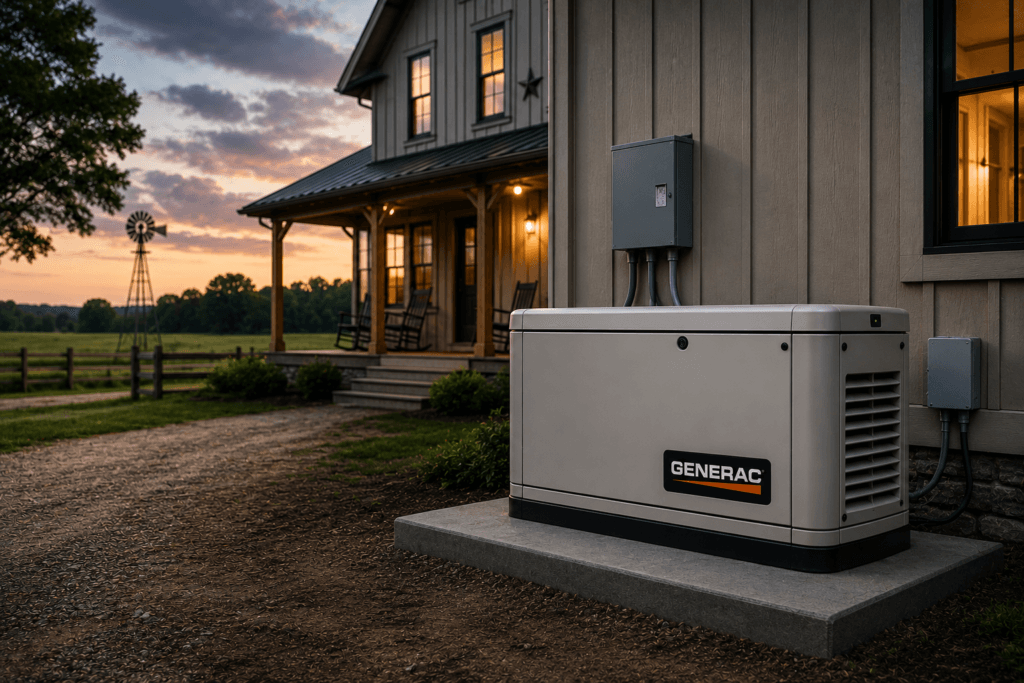
Power outages can happen without warning, leaving your home without electricity for hours—or even days. For many homeowners, especially those in areas prone to hurricanes, winter storms, tornadoes, or an aging electrical grid, a whole-house standby generator offers the highest level of backup protection.
Unlike portable generators, whole-house generators are permanently installed outside your home and connected directly to your electrical system through an automatic transfer switch (ATS). When utility power fails, the generator automatically starts within seconds and restores electricity to your home without requiring you to go outside, connect extension cords, or refuel the unit. Most standby generators operate on natural gas or liquid propane, allowing them to run for extended periods with minimal homeowner involvement. Recent testing continues to rank standby generators from Generac, Kohler, Champion, Briggs & Stratton, and Cummins among the top choices for residential backup power.
In this guide, we’ll compare the best whole-house generators for home backup in 2026, explain how to choose the right size, and help you decide which standby generator best fits your home’s needs.
Quick Picks: Best Whole House Generators for Home Backup
| Category | Generator | Best For |
|---|---|---|
| Best Overall | Generac Guardian 22kW | Most homeowners |
| Best Premium Generator | Kohler 20RESCL | Premium performance |
| Best Large Home Generator | Briggs & Stratton 26kW PowerProtect | High electrical demand |
| Best Value Standby Generator | Champion 22kW Home Standby Generator | Excellent value |
| Best Commercial-Grade Option | Cummins QuietConnect RS20A | Premium reliability |
Why Choose a Whole House Generator?
Whole-house generators automatically restore power after an outage.
They can operate:
- Central air conditioning
- Heating systems
- Refrigerators
- Freezers
- Well pumps
- Sump pumps
- Water heaters
- Internet equipment
- Security systems
- Medical devices
- Garage door openers
- Lighting throughout the home
Because standby generators connect directly to your home’s electrical system through an automatic transfer switch, they eliminate the need to manually start a portable generator during severe weather.
Best Overall
Generac Guardian 22kW
[IMAGE PLACEHOLDER – Generac Guardian 22kW Home Standby Generator]
Why We Picked It
The Generac Guardian 22kW remains one of the most popular whole-house generators available. It offers automatic operation, remote monitoring, dependable performance, and an extensive dealer network for installation and service.
For many homes, it provides enough capacity to operate nearly every essential appliance while automatically restoring power within seconds of an outage.
Pros
- Automatic startup
- Natural gas or propane
- Remote monitoring
- Excellent dealer support
- Proven reliability
- Automatic transfer switch compatible
Cons
- Professional installation required
- Higher upfront investment
Best For
- Whole-home backup
- Families
- Frequent outages
- Automatic protection
Best Premium Generator
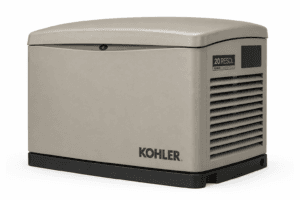
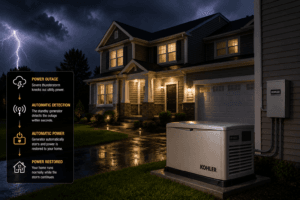
Kohler 20RESCL
Why We Picked It
The Kohler 20RESCL is known for its premium engineering, fast automatic response, and durable construction. It delivers dependable backup power while maintaining excellent performance in demanding weather conditions.
Many homeowners choose Kohler for its reputation for long-term durability and smooth power delivery.
Pros
- Premium build quality
- Fast automatic startup
- Excellent reliability
- Quiet operation
- Remote monitoring available
- Weather-resistant enclosure
Cons
- Higher purchase price
- Dealer installation required
Best For
- Premium homes
- Long-term ownership
- Severe weather regions
- Homeowners prioritizing durability
Choosing the Right Whole House Generator
Before purchasing a standby generator, consider:
- Home size
- Electrical load
- Central air conditioning
- Well pump requirements
- Fuel availability
- Natural gas or propane
- Automatic transfer switch
- Remote monitoring
- Future electrical needs
A professional load calculation helps ensure the generator is properly sized. Oversizing can increase costs, while undersizing may prevent important appliances from operating during an outage.
Best Large Home Generator
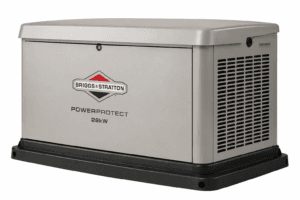
Briggs & Stratton 26kW PowerProtect
Why We Picked It
The Briggs & Stratton 26kW PowerProtect is designed for homeowners with larger electrical demands. It provides enough capacity to operate multiple central air conditioners, well pumps, electric water heaters, kitchen appliances, lighting, and other major household systems during extended outages.
Its corrosion-resistant enclosure and advanced engine design make it an excellent choice for homes in regions that experience frequent severe weather.
Pros
- High power output
- Automatic operation
- Remote monitoring
- Weather-resistant enclosure
- Excellent reliability
- Long engine life
Cons
- Higher purchase price
- Professional installation required
Best For
- Large homes
- Multiple HVAC systems
- Luxury homes
- High electrical demand
Best Value Standby Generator
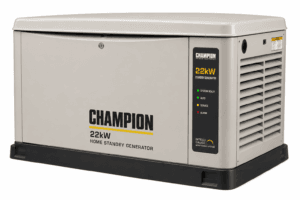
Champion 22kW Home Standby Generator
Why We Picked It
The Champion 22kW Home Standby Generator delivers dependable automatic backup power at a competitive price. It provides enough electricity for most residential homes while offering automatic startup, remote monitoring capabilities, and reliable performance during extended outages.
For homeowners seeking whole-house protection without the premium pricing of some competitors, it represents excellent overall value.
Pros
- Excellent value
- Automatic startup
- Natural gas or propane
- Remote monitoring
- Reliable engine
- Weather-resistant enclosure
Cons
- Professional installation required
- Smaller dealer network than some competitors
Best For
- Families
- Whole-home backup
- Budget-conscious homeowners
- Frequent outages
Best Commercial-Grade Generator
Cummins QuietConnect RS20A

Why We Picked It
The Cummins QuietConnect RS20A is built with commercial-grade engineering and exceptional long-term durability. It delivers dependable automatic backup power while operating quietly and efficiently during extended outages.
Its heavy-duty construction makes it especially attractive for homeowners who want premium reliability for many years.
Pros
- Commercial-grade quality
- Quiet operation
- Automatic startup
- Remote monitoring
- Durable enclosure
- Excellent long-term reliability
Cons
- Premium price
- Professional installation required
Best For
- Luxury homes
- Long-term ownership
- Critical backup applications
- High-end installations
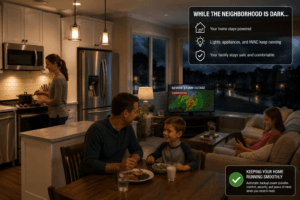
[IMAGE PLACEHOLDER – Large luxury home automatically powered by a standby generator during a widespread neighborhood blackout.]
Whole House Generator Comparison
| Generator | Fuel Type | Automatic | Best For |
|---|---|---|---|
| Generac Guardian 22kW | Natural Gas / Propane | ✔ | Best Overall |
| Kohler 20RESCL | Natural Gas / Propane | ✔ | Premium Homes |
| Briggs & Stratton 26kW PowerProtect | Natural Gas / Propane | ✔ | Large Homes |
| Champion 22kW Home Standby | Natural Gas / Propane | ✔ | Best Value |
| Cummins QuietConnect RS20A | Natural Gas / Propane | ✔ | Commercial-Grade Reliability |
Choosing the Right Size
Whole-house generators are commonly available in several power ranges.
10–14kW
Ideal for:
- Small homes
- Essential appliances
- One HVAC system
16–22kW
Ideal for:
- Medium-sized homes
- Multiple appliances
- Central air conditioning
- Well pumps
- Most families
24–26kW+
Ideal for:
- Large homes
- Multiple HVAC systems
- Electric water heaters
- Pools
- Workshops
- Luxury homes
A licensed electrician or generator installer should perform a load calculation to determine the correct generator size for your specific home.
Fuel Options
Natural Gas
Advantages:
- Continuous fuel supply
- No refueling
- Excellent for extended outages
- Low maintenance
Disadvantages:
- Requires natural gas service
- Not available everywhere
Propane
Advantages:
- Long shelf life
- Clean burning
- Excellent for rural homes
- Reliable emergency fuel
Disadvantages:
- Requires propane tank installation
- Tank must be refilled periodically
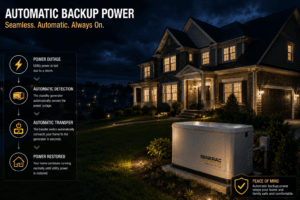
Automatic Transfer Switch (ATS)
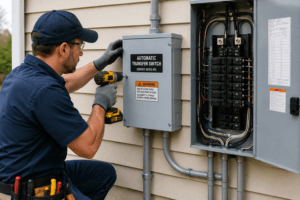
Every whole-house standby generator requires an Automatic Transfer Switch (ATS).
The ATS:
- Detects utility power failures
- Starts the generator automatically
- Disconnects utility power safely
- Restores household power within seconds
- Returns the home to utility power once service is restored
This automation allows homeowners to remain protected even if no one is home when an outage occurs.
Which Generator Is Best?
Choose the Generac Guardian 22kW If:
- You want the best overall standby generator
- You experience frequent outages
- Dealer support is important
- You want automatic whole-home backup
Choose the Kohler 20RESCL If:
- Premium quality is your priority
- Fast startup matters
- You want exceptional long-term durability
- You prefer a premium standby system
Choose the Briggs & Stratton 26kW PowerProtect If:
- You have a large home
- You operate multiple HVAC systems
- Your electrical demand is high
- You want maximum residential power
Choose the Champion 22kW Home Standby Generator If:
- Value is important
- You want dependable automatic backup
- You have a medium or large home
- You want strong performance at a competitive price
Choose the Cummins QuietConnect RS20A If:
- You want commercial-grade reliability
- Long-term durability is important
- You have a premium home
- Quiet operation matters
Features to Look For
A whole-house standby generator is one of the largest investments most homeowners make in emergency preparedness. Choosing the right features ensures dependable backup power for many years.
Here are the most important features to compare before purchasing.
Automatic Transfer Switch (ATS)
An Automatic Transfer Switch (ATS) is the heart of every standby generator system.
Benefits include:
- Detects utility power loss
- Starts the generator automatically
- Safely disconnects utility power
- Restores electricity within seconds
- Switches back automatically when utility power returns
This allows your home to remain protected even if you’re away.
Automatic Weekly Exercise
Most standby generators automatically perform a scheduled self-test each week.
Benefits include:
- Confirms generator readiness
- Charges the starting battery
- Lubricates engine components
- Identifies maintenance issues early
Many systems allow homeowners to customize the exercise schedule.
Remote Monitoring
Modern standby generators often include Wi-Fi or cellular monitoring.
Features may include:
- Generator status
- Maintenance reminders
- Power outage notifications
- Weekly exercise reports
- Mobile app control
- Service alerts
Remote monitoring is especially useful for vacation homes and homeowners who travel frequently.
Natural Gas or Propane Operation
Most whole-house generators operate on:
- Natural gas
- Liquid propane (LP)
Benefits include:
- Long runtime
- No gasoline storage
- Automatic operation
- Reliable emergency fuel
Natural gas provides continuous fuel where available, while propane is an excellent option for rural properties.
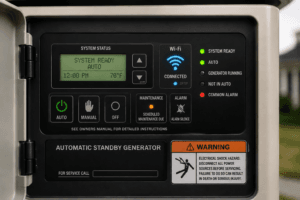
Weather-Resistant Enclosure
Standby generators remain outdoors year-round.
Look for:
- Corrosion-resistant aluminum or composite enclosures
- Weather-resistant finishes
- Rust protection
- Durable powder coating
A quality enclosure helps protect the generator from rain, snow, ice, and UV exposure.
Quiet Operation
Most premium standby generators are much quieter than portable generators.
Features that reduce noise include:
- Fully enclosed design
- Advanced mufflers
- Sound insulation
- Lower engine RPM during lighter loads
Quiet operation is especially beneficial in residential neighborhoods.
Load Management
Some standby generators include intelligent load management.
Benefits include:
- Prioritizes essential appliances
- Prevents overloads
- Automatically manages HVAC systems
- Allows smaller generators to power larger homes more efficiently
Long Warranty
Standby generators are a significant investment.
Compare:
- Residential warranty length
- Parts coverage
- Labor coverage
- Dealer support
A strong warranty can reduce long-term ownership costs.
Common Buying Mistakes
Avoid these common mistakes before purchasing a whole-house generator.
Buying Too Small
Many homeowners underestimate their electrical demand.
Include:
- HVAC systems
- Well pumps
- Electric water heaters
- Refrigerators
- Freezers
- Kitchen appliances
- Lighting
- Medical equipment
- Future electrical needs
A professional load calculation is strongly recommended.
Buying Larger Than Necessary
Oversized generators:
- Cost more
- Increase installation expenses
- May consume more fuel
- Provide capacity you may never use
Choosing the correct size offers the best balance between cost and performance.
Ignoring Installation Costs
Standby generators require professional installation.
Costs may include:
- Concrete pad
- Automatic transfer switch
- Electrical work
- Gas plumbing
- Local permits
- Inspections
Always include installation costs when planning your budget.
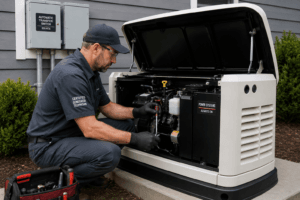
Skipping Maintenance
Routine maintenance keeps standby generators dependable.
Regularly:
- Change engine oil
- Replace air filters
- Inspect spark plugs
- Test batteries
- Replace coolant (if applicable)
- Schedule professional inspections
Preventive maintenance greatly extends generator life.
Waiting Until Storm Season
Generator demand often increases before:
- Hurricanes
- Winter storms
- Tornado season
- Ice storms
Buying early allows time for:
- Professional installation
- Permit approval
- Utility coordination
- Testing
- Learning system operation
Frequently Asked Questions
What size whole-house generator do I need?
It depends on your home’s electrical load.
General guidelines:
- 10–14kW — Small homes
- 16–22kW — Medium homes
- 24–26kW+ — Large homes with multiple HVAC systems
A professional load calculation provides the most accurate sizing.
How quickly does a standby generator start?
Most whole-house generators automatically start and restore power within 10–30 seconds after utility power is lost.
Can a whole-house generator run my air conditioner?
Yes.
Properly sized standby generators can power one or more central air conditioning systems along with many other household appliances.
Is natural gas better than propane?
Both fuels work well.
Natural gas offers:
- Continuous fuel supply
- No refueling
- Excellent convenience
Propane offers:
- Long storage life
- Excellent rural availability
- Reliable emergency fuel
Your home’s available utility services usually determine the best option.
How often should a standby generator be serviced?
Most manufacturers recommend professional service once each year or after a specified number of operating hours. Regular maintenance helps ensure reliable performance when an outage occurs.
Is a whole-house generator worth the cost?
For homeowners who experience frequent or prolonged outages, a standby generator can provide:
- Automatic protection
- Increased comfort
- Improved safety
- Protection for food and appliances
- Added home value
- Peace of mind
Final Thoughts
A whole-house standby generator is one of the most dependable ways to protect your home during power outages. Unlike portable generators, standby systems automatically restore electricity within seconds, keeping essential appliances, heating and cooling systems, refrigeration, lighting, well pumps, internet equipment, and security systems operating with minimal interruption.
For most homeowners, the Generac Guardian 22kW remains the best overall choice thanks to its excellent reliability, automatic operation, extensive dealer network, and strong overall performance. Homeowners seeking premium engineering should consider the Kohler 20RESCL, while the Briggs & Stratton 26kW PowerProtect is an outstanding option for larger homes with greater electrical demands. The Champion 22kW Home Standby Generator delivers excellent value for families wanting dependable automatic backup, and the Cummins QuietConnect RS20A offers commercial-grade durability and long-term reliability for homeowners seeking a premium installation.
Before investing in a standby generator, have your home’s electrical load professionally evaluated, choose the correct generator size, and work with a qualified installer to ensure the system meets local electrical and fuel code requirements. A properly installed whole-house generator can provide decades of dependable protection and peace of mind whenever severe weather or unexpected outages occur.