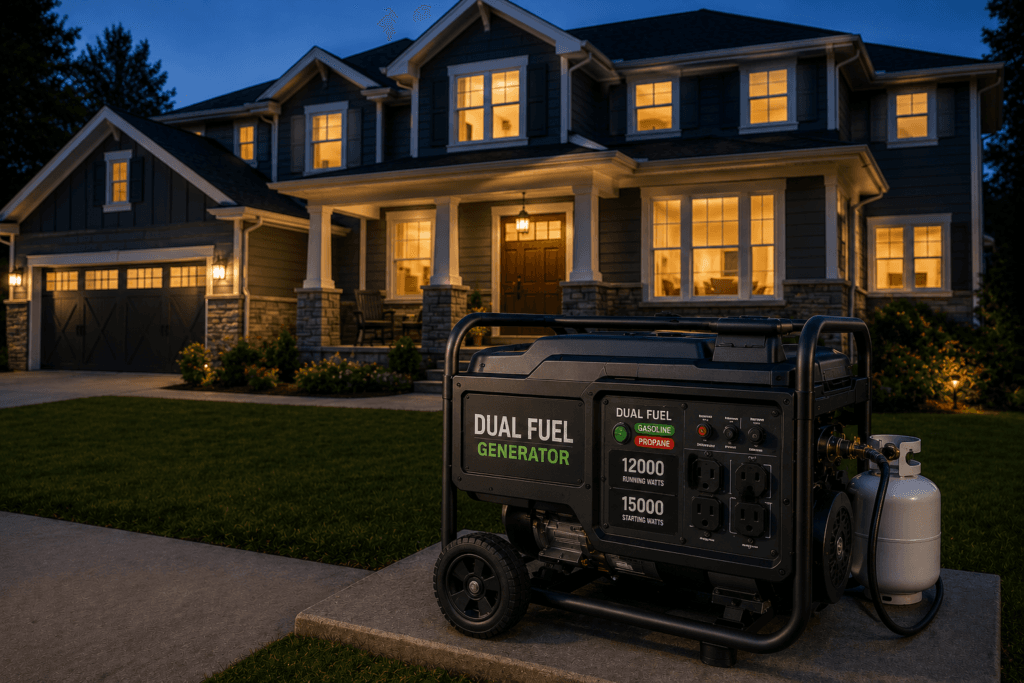
Portable Generator vs Whole House Generator
Should you buy a portable generator or a whole house generator?
Both options provide backup electricity during blackouts, storms, and emergencies, but they are designed for very different situations.
Portable generators are:
- more affordable
- flexible
- easier to move
- ideal for temporary backup power
Whole house generators are:
- automatic
- more powerful
- permanently installed
- designed for seamless home backup
In this complete guide, we’ll compare:
- power output
- installation
- fuel types
- runtime
- maintenance
- cost
- convenience
- home backup performance
- emergency preparedness
By the end, you’ll know exactly which backup generator solution is best for your home and budget.
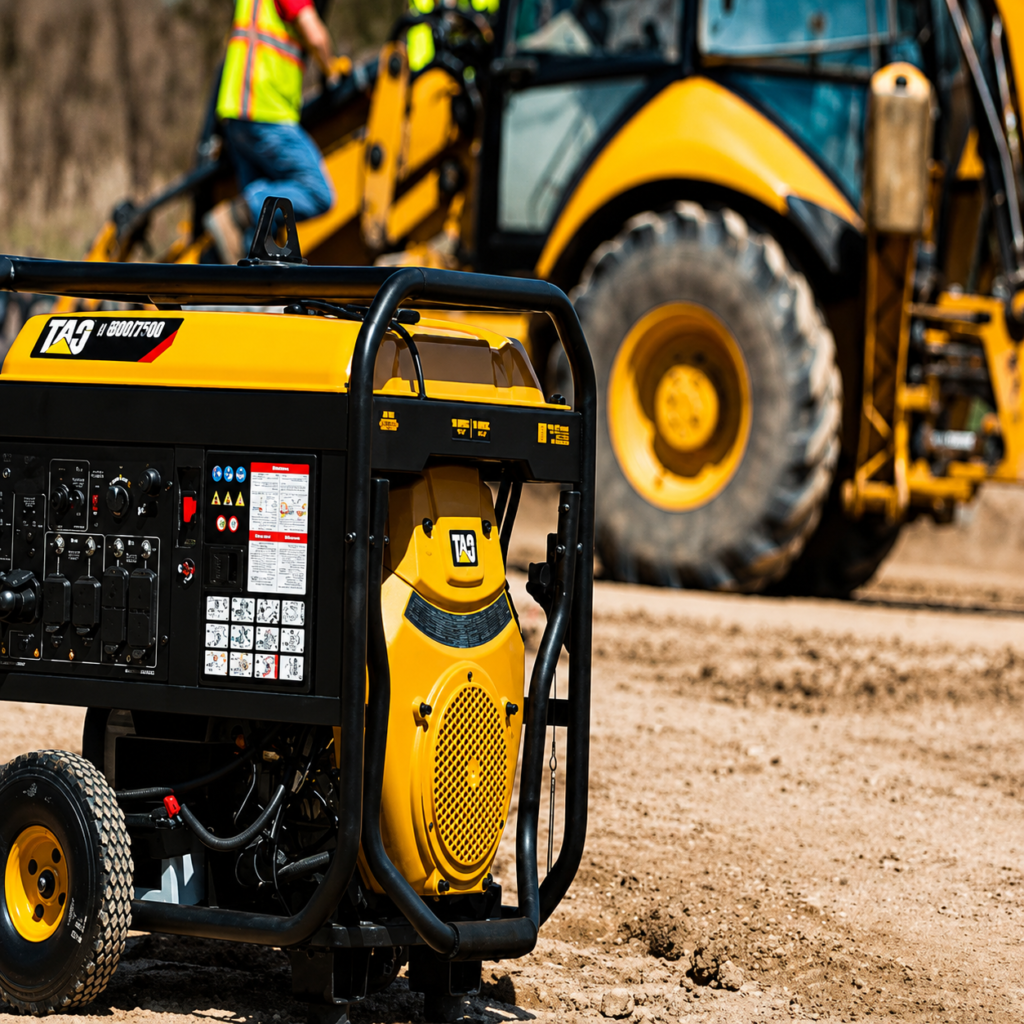
Quick Verdict
If you want affordable emergency backup power for essential appliances during outages, a portable generator is usually the better choice.
If you want automatic whole-home backup power with maximum convenience and long-term reliability, a whole house generator is often the better investment.
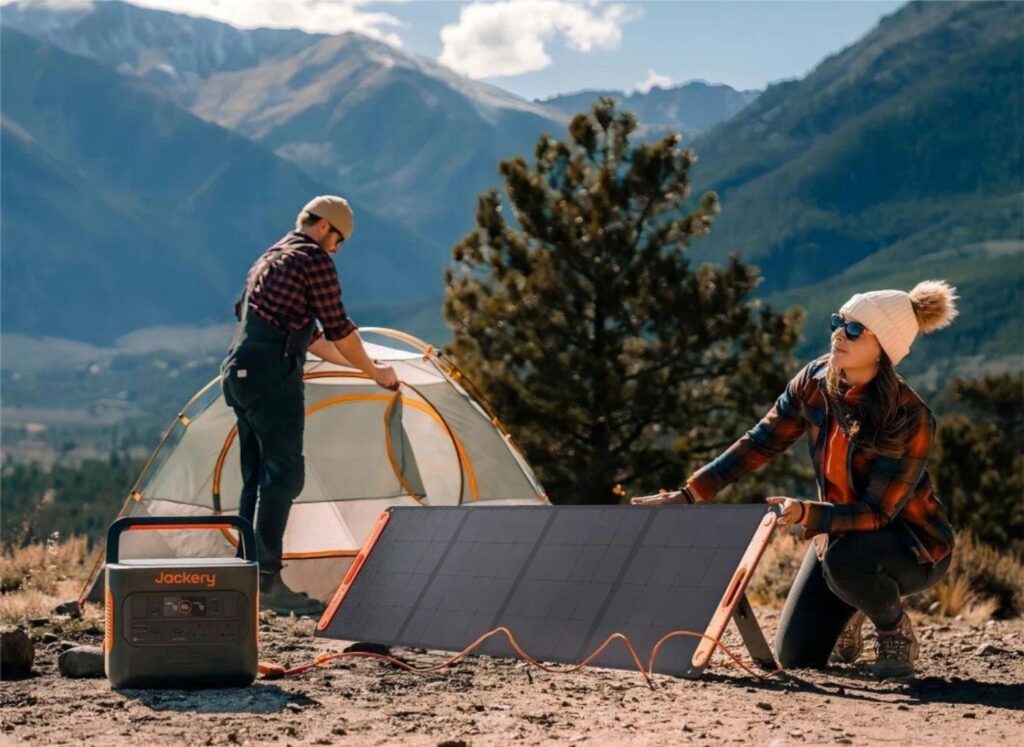
Portable Generator vs Whole House Generator
| Feature | Portable Generator | Whole House Generator |
|---|---|---|
| Installation Required | Minimal | Professional Installation |
| Automatic Startup | No | Yes |
| Power Output | Moderate | High |
| Best for Whole Home | Limited | Excellent |
| Portability | Yes | No |
| Fuel Types | Gas/Propane/Dual Fuel | Natural Gas/Propane |
| Noise Level | Moderate to Loud | Moderate |
| Upfront Cost | Lower | Higher |
| Maintenance | Moderate | Moderate |
| Emergency Convenience | Manual Setup | Automatic |
| Runtime | Fuel dependent | Continuous fuel supply |
| Transfer Switch Needed | Recommended | Built-in System |
What Is a Portable Generator?
A portable generator is a movable backup power system that runs on:
- gasoline
- propane
- dual fuel systems
Portable generators are commonly used for:
- emergency home backup
- camping
- RV use
- outdoor events
- powering essential appliances during outages
They typically power:
- refrigerators
- freezers
- sump pumps
- lights
- microwaves
- small air conditioners
Popular portable generators include:
- Honda EU2200i
- Westinghouse iGen4500
- Champion Dual Fuel Generators
- DuroMax XP Series
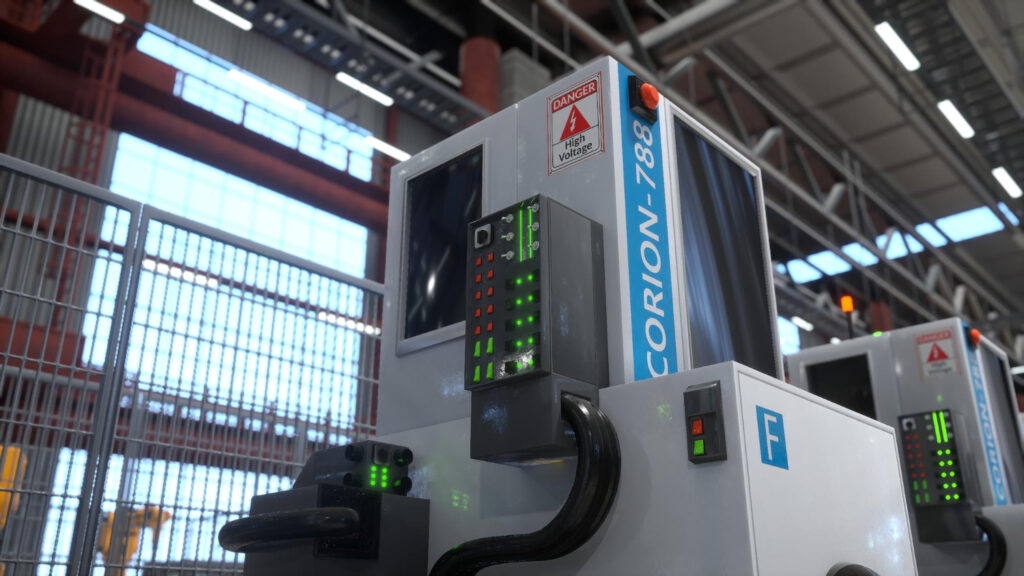
What Is a Whole House Generator?
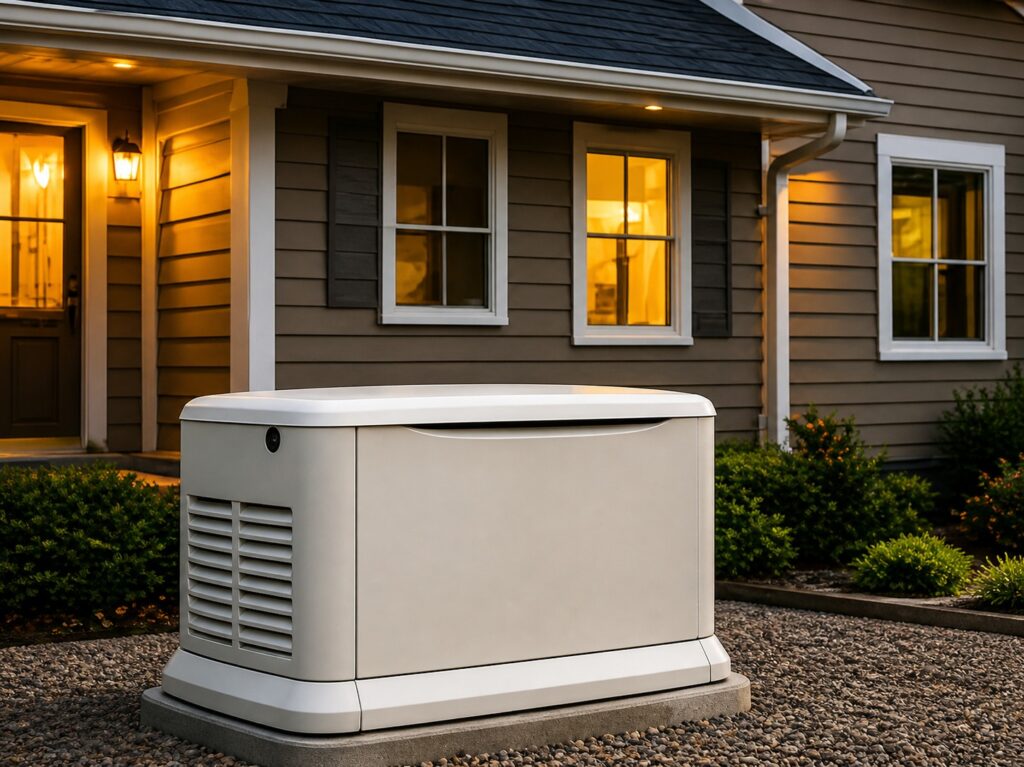
A whole house generator, also called a standby generator, is a permanently installed backup power system connected directly to your home.
These generators automatically turn on when utility power fails.
Whole house generators commonly run on:
- natural gas
- propane
They are designed to power:
- entire homes
- HVAC systems
- water heaters
- kitchens
- major appliances
- medical equipment
Popular whole house generator brands include:
- Generac
- Kohler
- Briggs & Stratton
A whole house generator, also called a standby generator, is a permanently installed backup power system connected directly to your home.
These generators automatically turn on when utility power fails.
Whole house generators commonly run on:
- natural gas
- propane
They are designed to power:
- entire homes
- HVAC systems
- water heaters
- kitchens
- major appliances
- medical equipment
Popular whole house generator brands include:
- Generac
- Kohler
- Briggs & Stratton
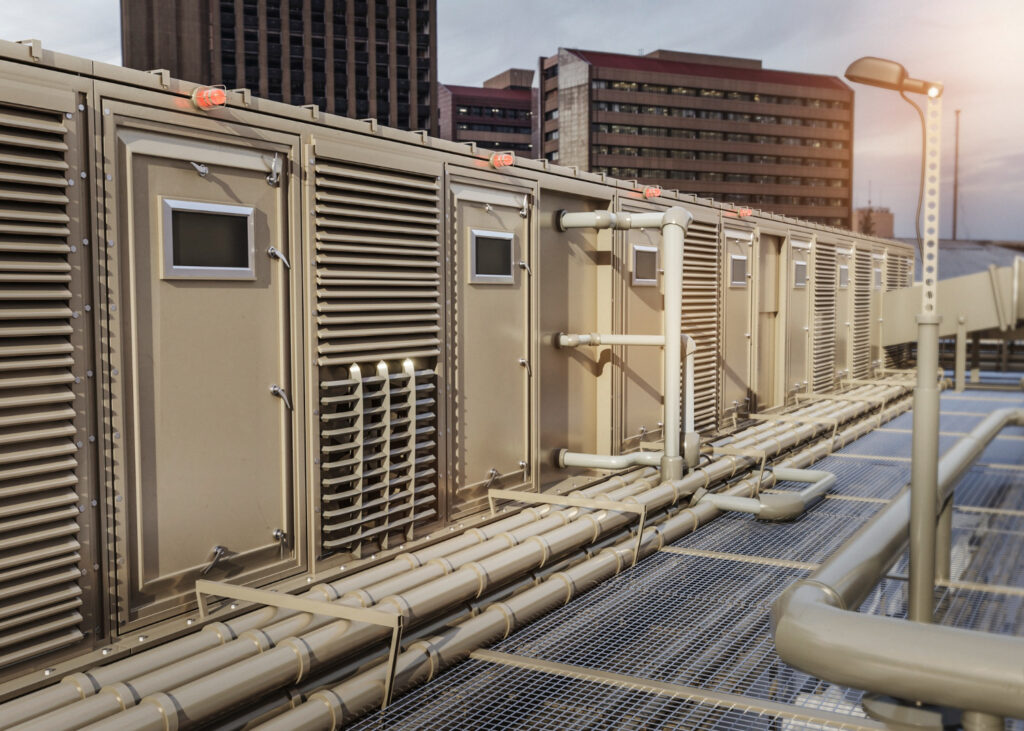
Power Output Comparison
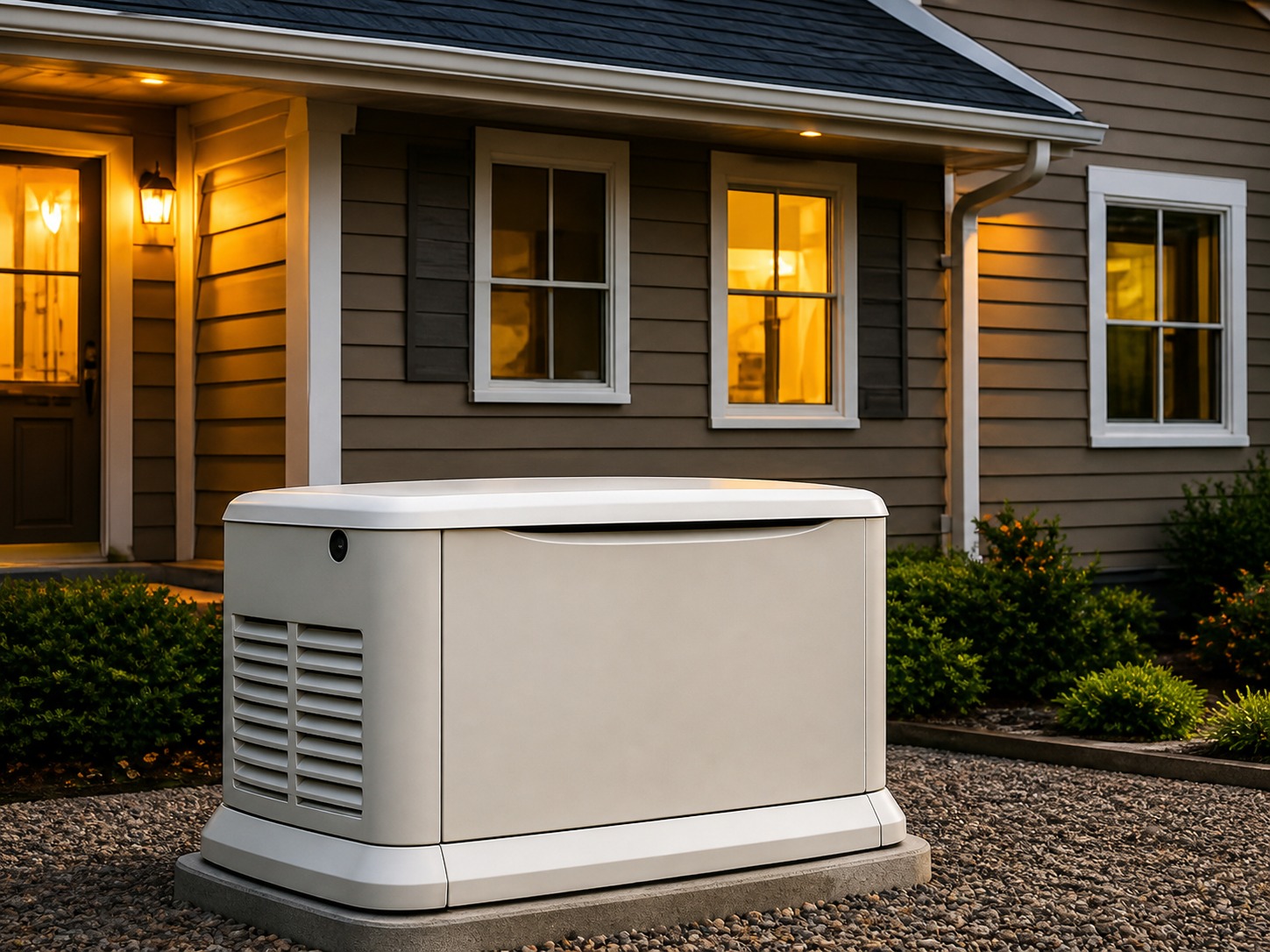
Portable Generator Power Output
Portable generators usually provide:
- 2,000–12,000 watts
They are best suited for powering:
- essential appliances
- emergency circuits
- temporary backup power
Larger portable generators can handle:
- refrigerators
- sump pumps
- microwaves
- some central air systems
However, powering an entire home continuously may be difficult.
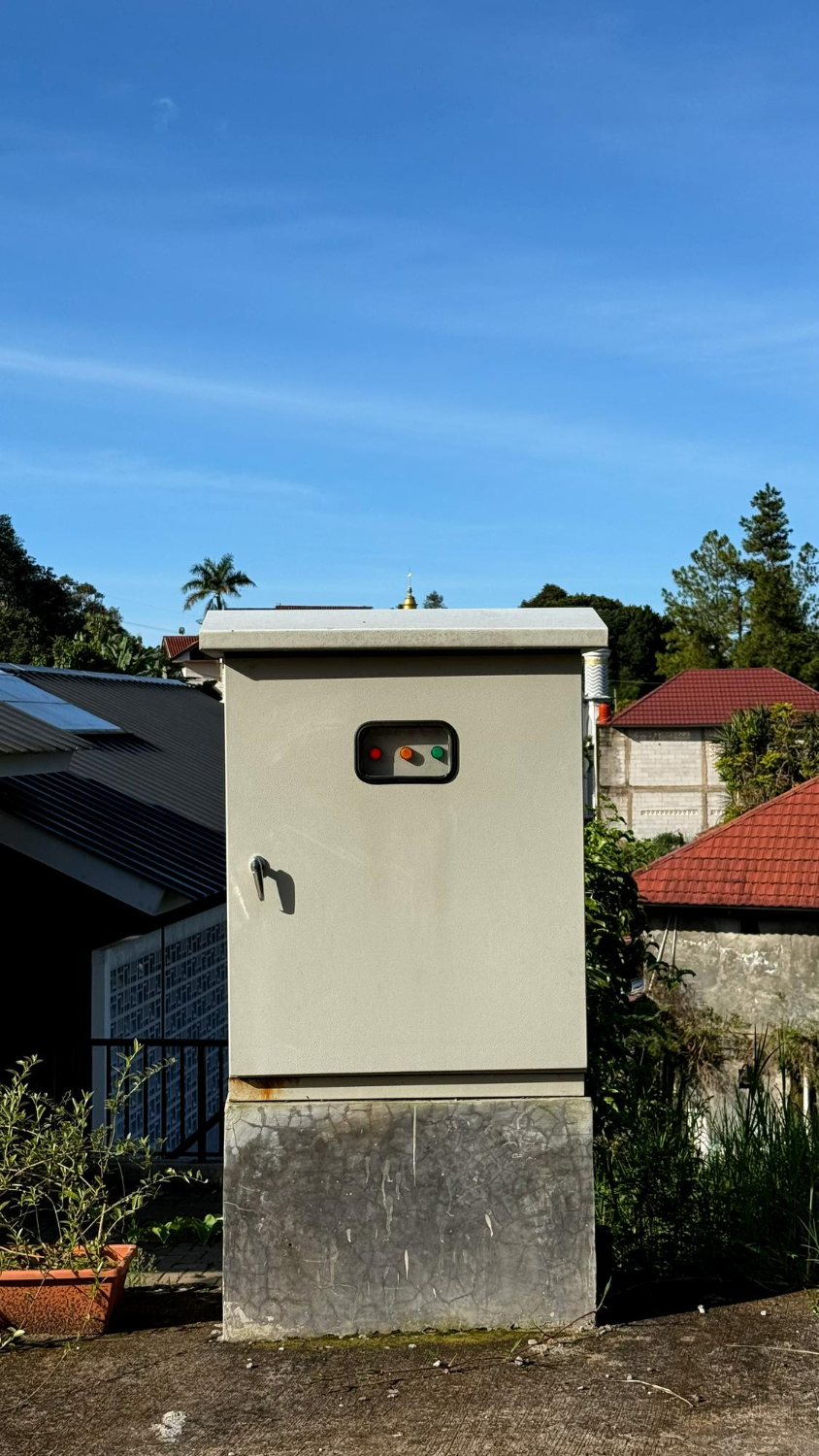
Whole House Generator Power Output
Whole house generators are much more powerful.
Many systems provide:
- 10,000–26,000+ watts
This allows them to power:
- central air conditioning
- entire electrical panels
- multiple appliances simultaneously
- full-home backup systems
For homeowners wanting uninterrupted comfort during outages, standby generators are often the best solution.
Installation Comparison
Portable Generator Installation
Portable generators require minimal installation.
However, homeowners often add:
- transfer switches
- interlock kits
- generator inlet boxes
These improve:
- safety
- convenience
- power distribution
Portable generators must always be operated outdoors.
Whole House Generator Installation
Whole house generators require professional installation including:
- electrical wiring
- transfer switch integration
- fuel line connections
- permits and inspections
Installation costs can be significant, but the system becomes fully automatic afterward.
Automatic Backup Power
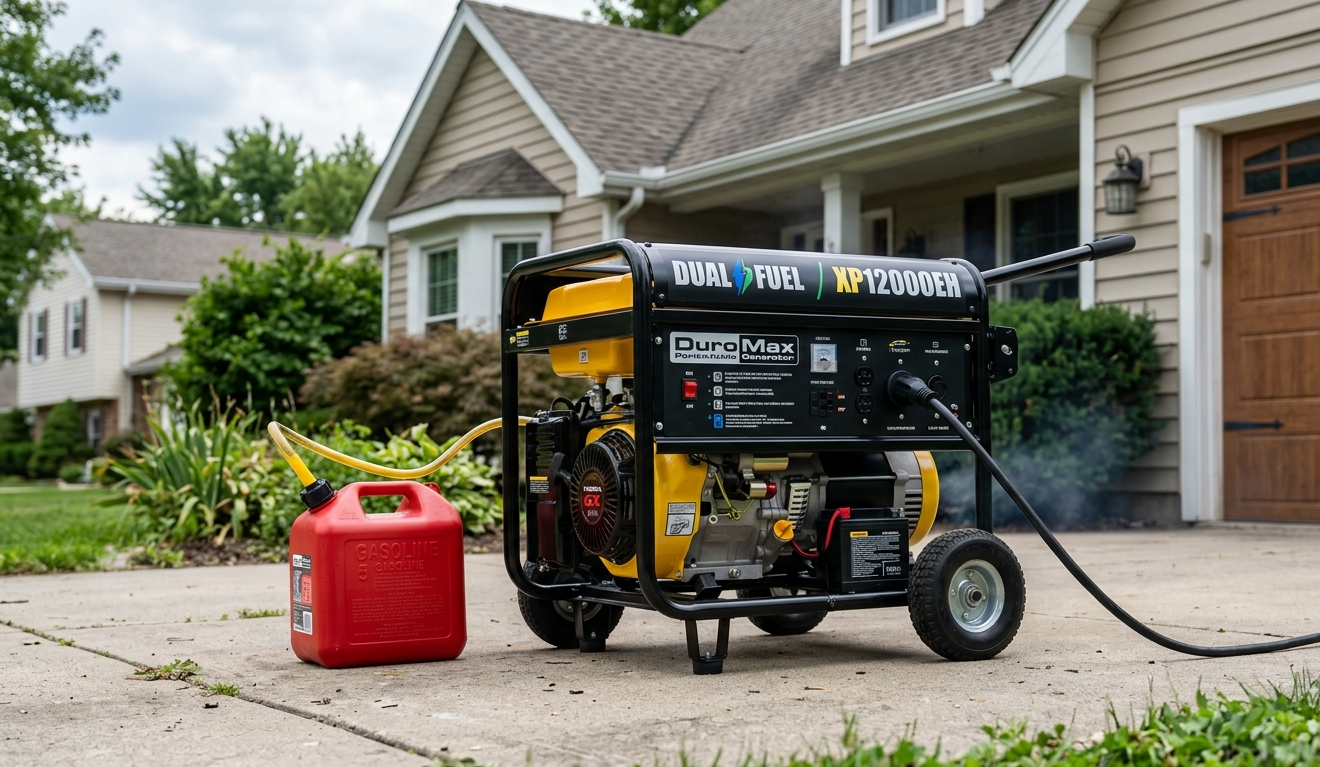
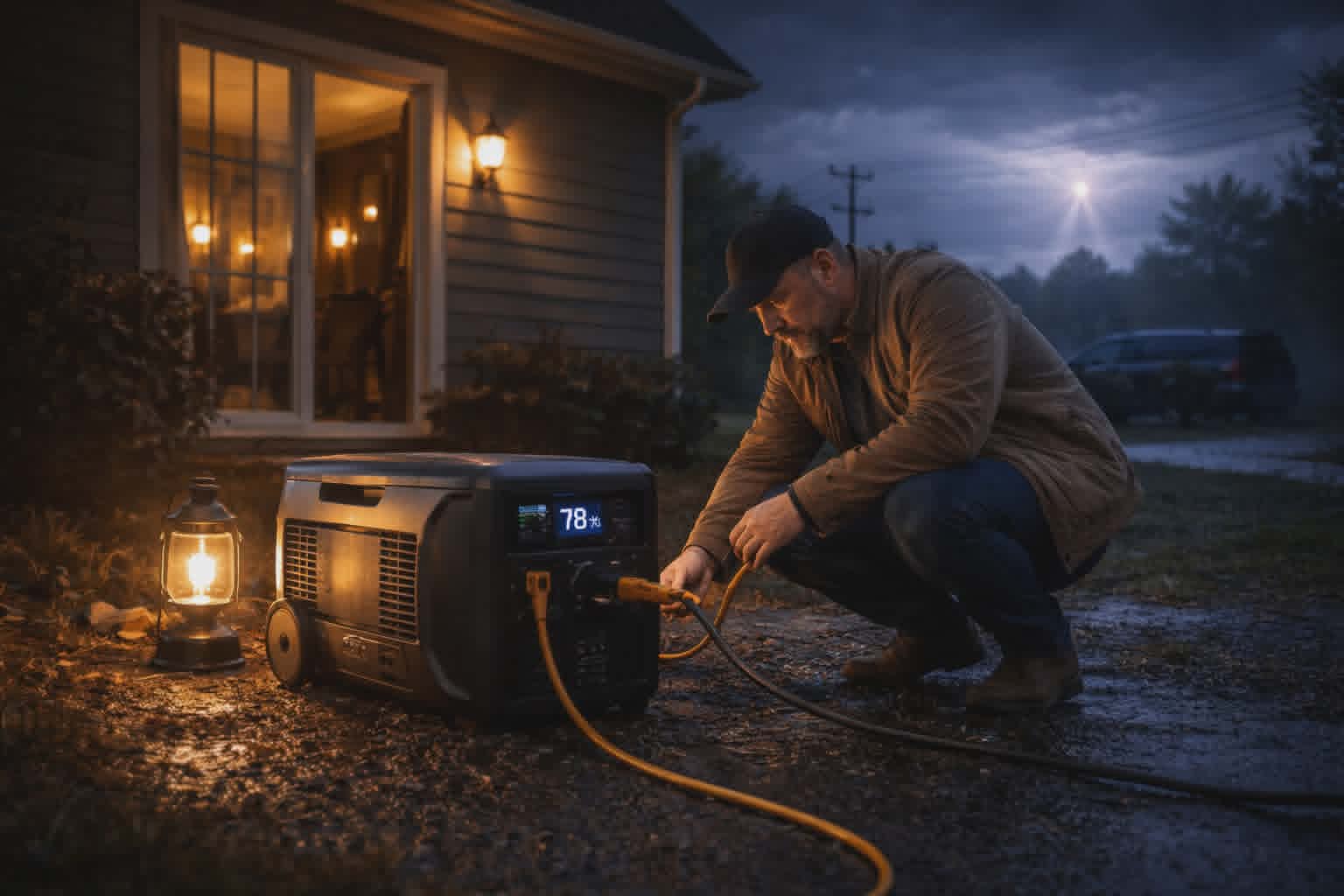
Portable Generators Require Manual Operation
During an outage, portable generators require:
- manual setup
- fueling
- extension cords or transfer switch activation
This can be inconvenient during:
- storms
- nighttime outages
- severe weather
Whole House Generators Start Automatically
Standby generators automatically detect outages and restore power within seconds.
This provides:
- seamless backup power
- convenience
- protection for medical equipment
- peace of mind
Automatic operation is one of the biggest advantages of whole house generators.
Fuel Comparison
Portable Generator Fuel Types
Portable generators commonly use:
- gasoline
- propane
- dual fuel systems
Fuel storage becomes important during long outages.
Whole House Generator Fuel Types
Whole house generators usually connect directly to:
- natural gas lines
- large propane tanks
This provides much longer runtime without constant refueling.
Runtime Comparison
Portable Generator Runtime
Runtime depends on:
- fuel tank size
- fuel availability
- load demand
Many portable generators run:
- 8–18 hours per tank
Long outages may require:
- fuel storage
- refueling trips
Whole House Generator Runtime
Whole house generators can run continuously as long as fuel supply remains available.
Natural gas systems can potentially run for:
- days
- weeks
during extended outages.
Noise Level Comparison
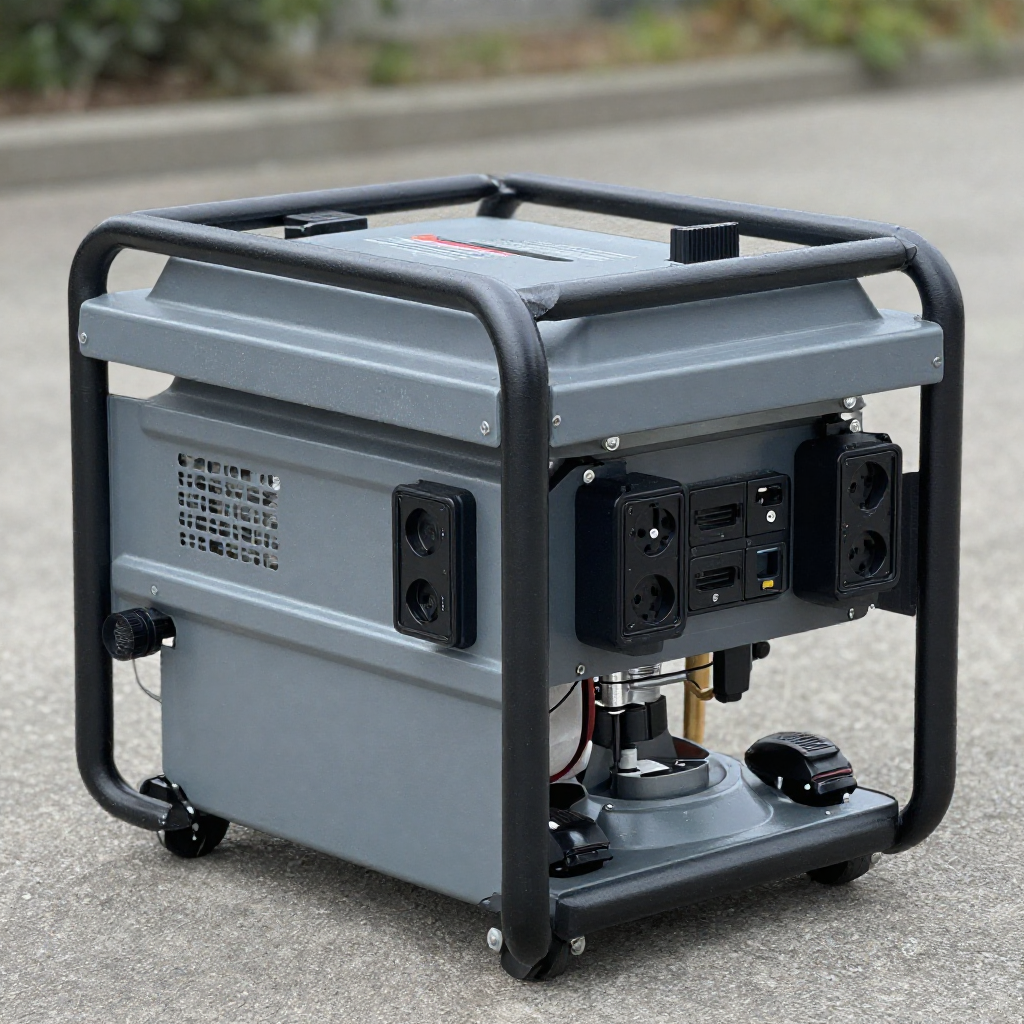
Portable Generators Are Often Louder
Open-frame portable generators can produce significant noise.
Inverter generators are quieter, but still noticeable.
Noise can become an issue in:
- neighborhoods
- overnight operation
Whole House Generators Are Usually Quieter Than Expected
Modern standby generators are often enclosed in insulated housings that reduce noise significantly.
While not silent, many operate more quietly than large portable generators.
Maintenance Comparison
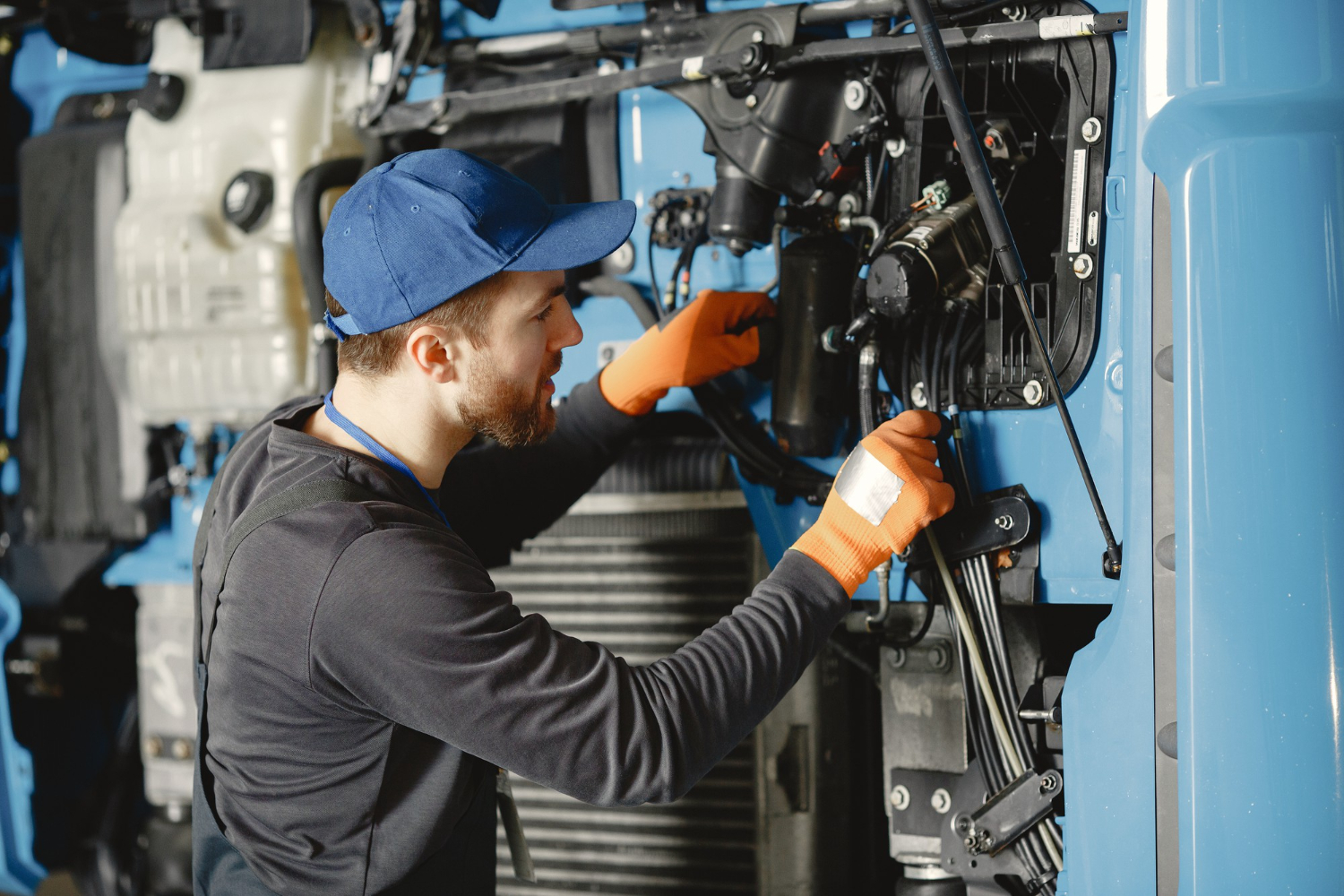
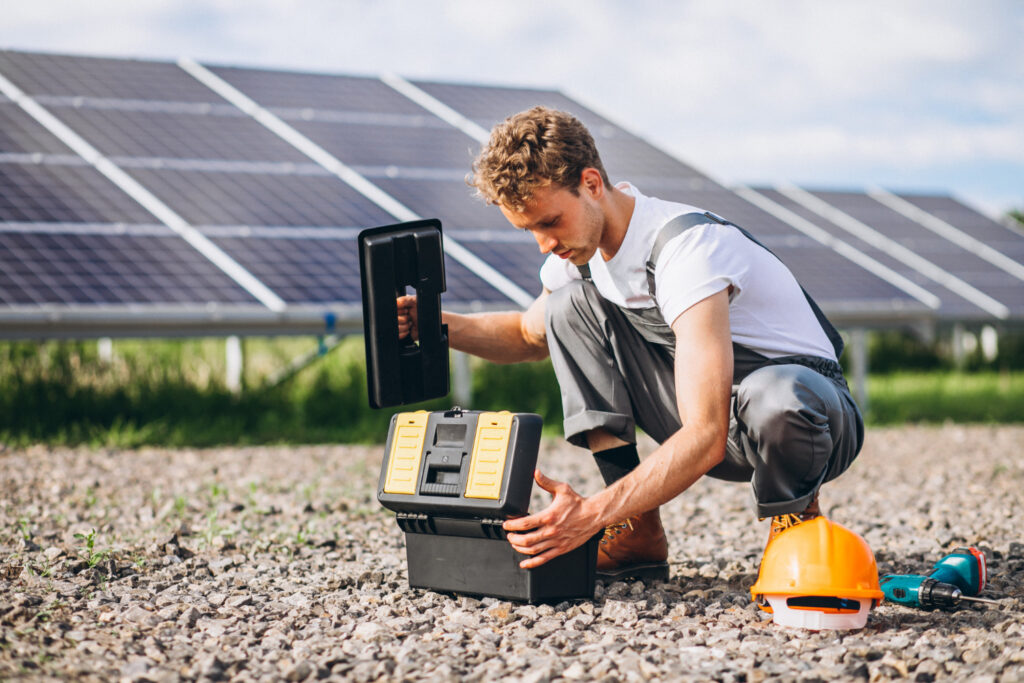
Portable Generator Maintenance
Portable generators require:
- oil changes
- fuel stabilization
- spark plug replacement
- engine maintenance
Fuel storage also requires periodic attention.
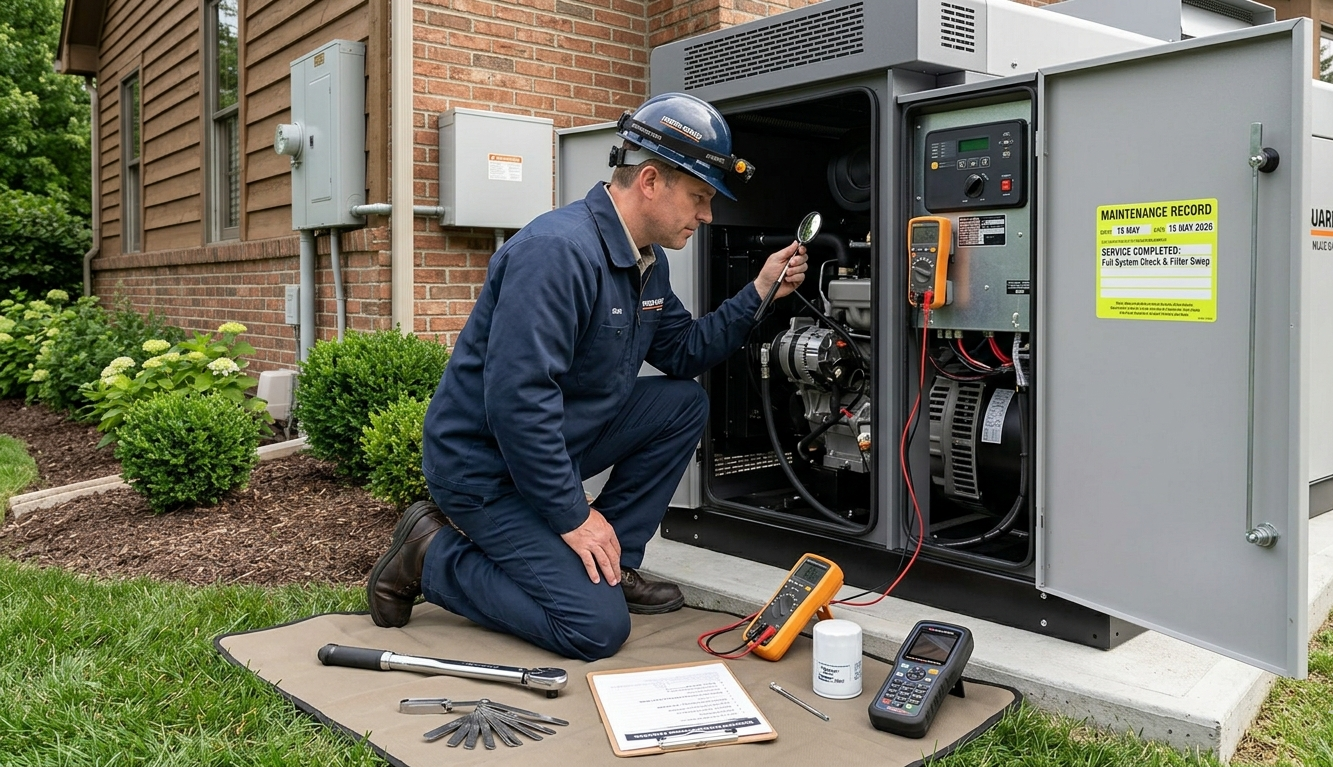
Whole House Generator Maintenance
Whole house generators also require:
- scheduled maintenance
- battery checks
- oil changes
- professional servicing
However, many systems automatically perform self-testing routines.
Cost Comparison
Portable Generator Cost
Portable generators are far more affordable upfront.
Typical pricing:
$300–$3,000
Additional transfer switch installation may increase costs.
Whole House Generator Cost
Whole house generators are significantly more expensive.
Typical costs including installation:
$5,000–$15,000+
Larger premium systems can exceed:
$20,000+
However, they provide:
automatic operation
higher power output
full-home convenience
Best Uses for Portable Generators
Portable generators are best for:
- budget-conscious homeowners
- temporary emergency backup
- camping
- RV use
- essential appliance backup
Best Uses for Whole House Generators
Whole house generators are best for:
- automatic emergency backup
- entire home protection
- long outages
- medical needs
- homeowners wanting uninterrupted comfort
Best Portable Generators for Home Backup
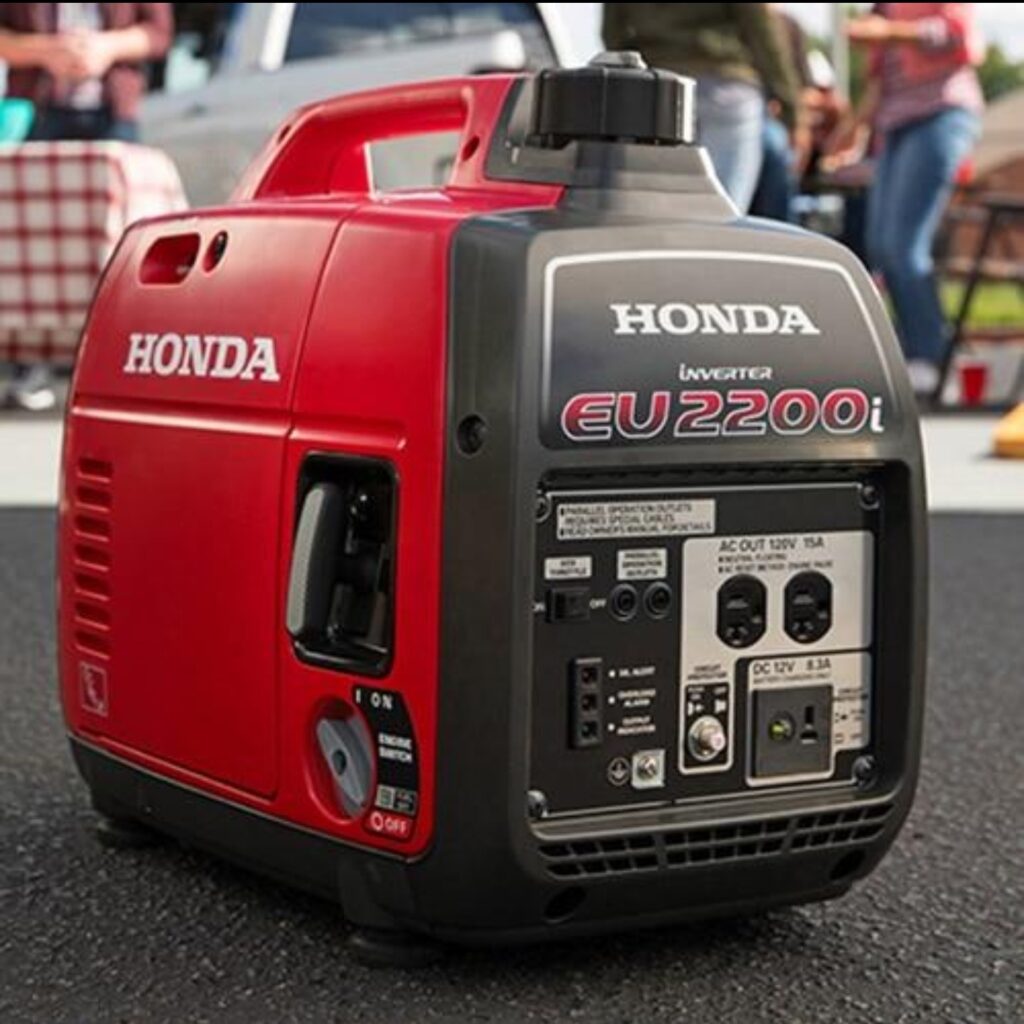
Honda EU2200i
Excellent for:
- quiet operation
- portability
- electronics
Westinghouse iGen4500
Excellent for:
- RV use
- emergency home backup
Champion Dual Fuel Generator
Excellent for:
- fuel flexibility
- affordability
Best Whole House Generators
Generac Guardian Series
Excellent for:
- automatic backup
- whole-home power
Kohler Standby Generators
Excellent for:
- premium performance
- reliability
Briggs & Stratton Standby Generators
Excellent for:
- homeowner backup systems
Which Generator Is Better for Home Backup?
Choose a Portable Generator If:
- you want lower upfront cost
- you only need essential backup power
- portability matters
- you occasionally lose power
Choose a Whole House Generator If:
- you want automatic backup power
- you experience frequent outages
- you need to power your entire home
- convenience and reliability are priorities
Final Verdict
Both portable generators and whole house generators provide valuable backup power during emergencies and outages.
Portable generators are excellent for:
- affordability
- flexibility
- temporary backup power
- smaller homes
- essential appliances
Whole house generators are ideal for:
- automatic home protection
- seamless backup power
- long-term reliability
- powering entire homes
For many homeowners, the right choice depends on:
- budget
- outage frequency
- power needs
- desired convenience
As extreme weather and power outages become more common, investing in reliable backup power has become increasingly important for homeowners and emergency preparedness.
Frequently Asked Questions
The best generator depends on:
- your budget
- power needs
- outage frequency
- whether you want automatic or portable backup power.