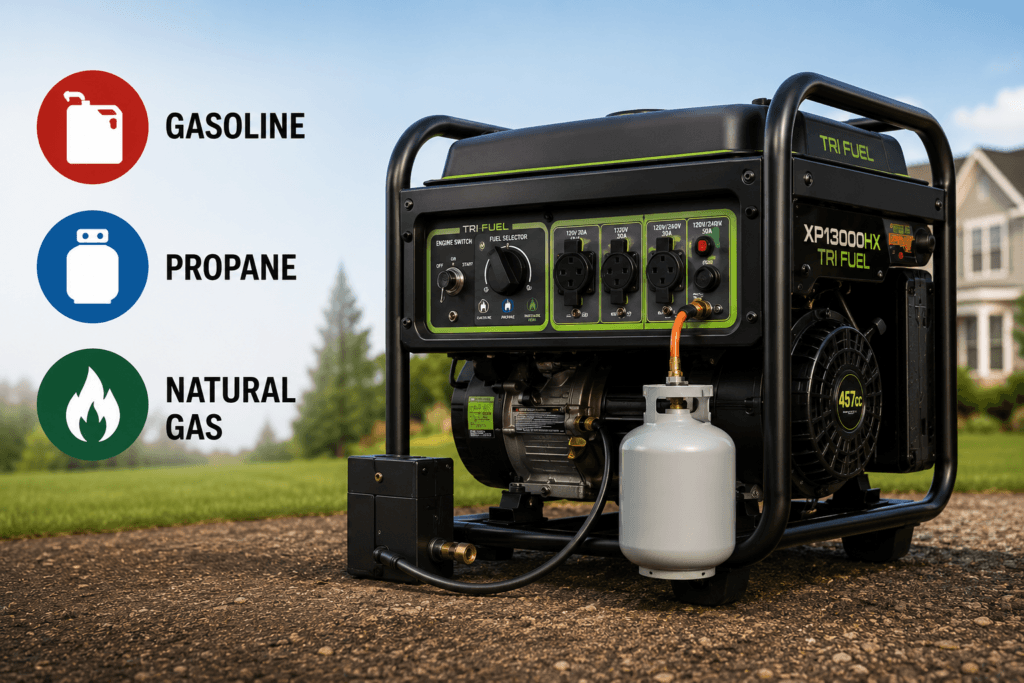
Solar Generator vs Gas Generator for Home Backup
Should you buy a solar generator or a gas generator for home backup power?
Both systems can provide electricity during emergencies, but they work very differently and each has important advantages and disadvantages.
Gas generators are known for:
- higher power output
- long runtime
- heavy-duty backup capability
Solar generators are known for:
- quiet operation
- indoor safety
- low maintenance
- eco-friendly energy storage
In this complete home backup comparison guide, we’ll compare:
- power output
- runtime
- noise levels
- indoor safety
- maintenance
- fuel costs
- appliance capability
- emergency preparedness
- long-term value
By the end, you’ll know exactly which backup power solution is best for your home.
Quick Verdict
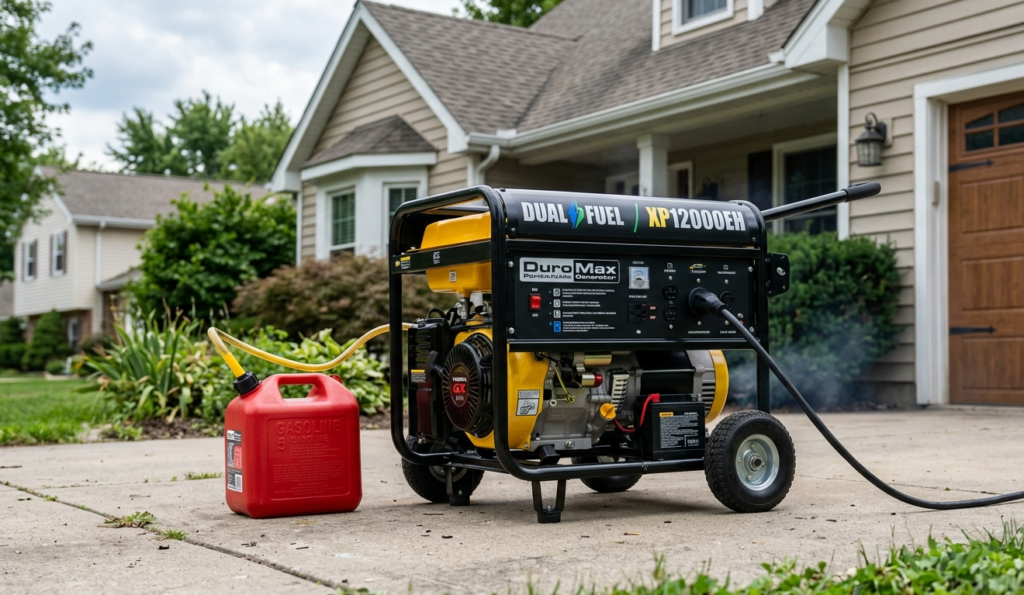
If you need maximum backup power for long outages and large appliances, a gas generator is usually the better choice for home backup.
If you want quiet, indoor-safe, maintenance-free backup power for electronics and essential devices, a solar generator is often the better option.
Many homeowners now use both systems together for complete emergency preparedness.
Solar Generator vs Gas Generator
| Feature | Solar Generator | Gas Generator |
|---|---|---|
| Power Source | Battery + Solar Panels | Gasoline/Propane |
| Noise Level | Nearly Silent | Loud |
| Indoor Safe | Yes | No |
| Emissions | None | Yes |
| Maintenance | Very Low | Moderate |
| Runtime | Battery limited | Long with fuel |
| Whole Home Capability | Limited | Excellent |
| Fuel Required | No | Yes |
| Solar Charging | Yes | No |
| Best for Electronics | Excellent | Inverter models recommended |
| Emergency Preparedness | Excellent | Excellent |
| Long-Term Operating Cost | Lower | Higher fuel costs |
What Is a Solar Generator?
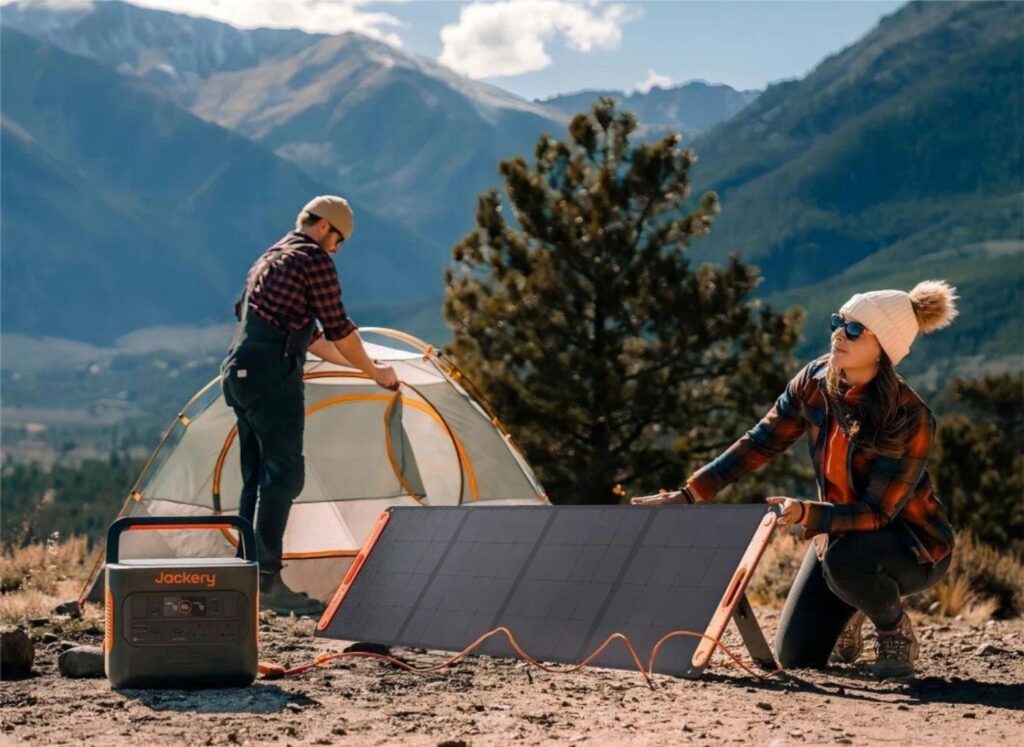
A solar generator is a battery-powered backup power system that can recharge using:
- solar panels
- wall outlets
- car chargers
Unlike traditional generators, solar generators:
- produce no fumes
- create no carbon monoxide
- operate silently
- require very little maintenance
They are commonly used for:
- home backup power
- apartments
- camping
- RV use
- emergency preparedness
Popular solar generators include:
- EcoFlow Delta 2
- Jackery Explorer 1000
- Bluetti AC200MAX
- Goal Zero Yeti Series
What Is a Gas Generator?
A gas generator uses fuel-powered engines to produce electricity.
Common fuel types include:
- gasoline
- propane
- dual fuel systems
Gas generators are commonly used for:
- home backup power
- long outages
- whole-home emergency backup
- powering appliances
- construction sites
Popular gas generators include:
- Honda EU2200i
- Westinghouse iGen4500
- Champion Dual Fuel Generators
- Generac Standby Generators
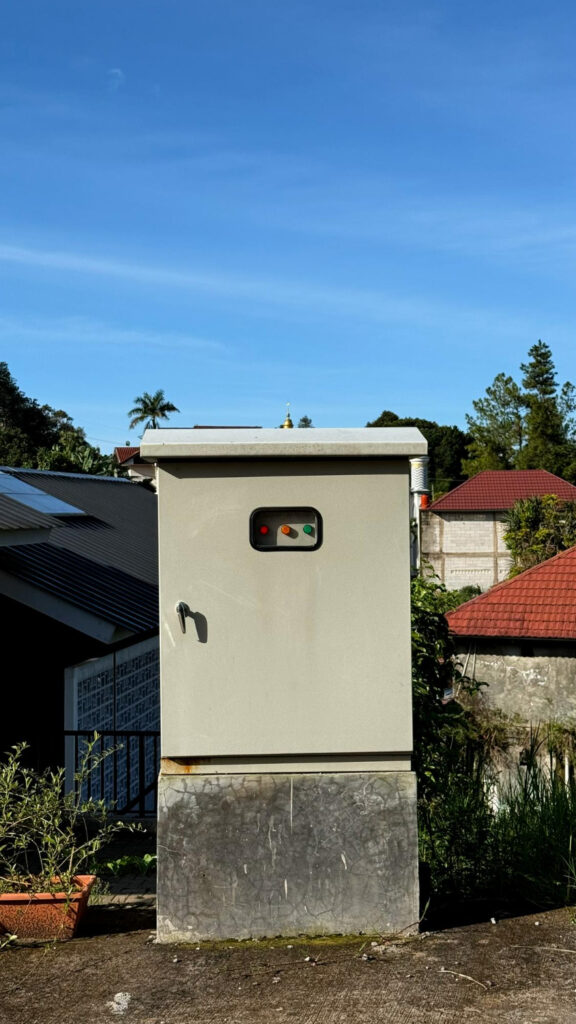
Power Output Comparison
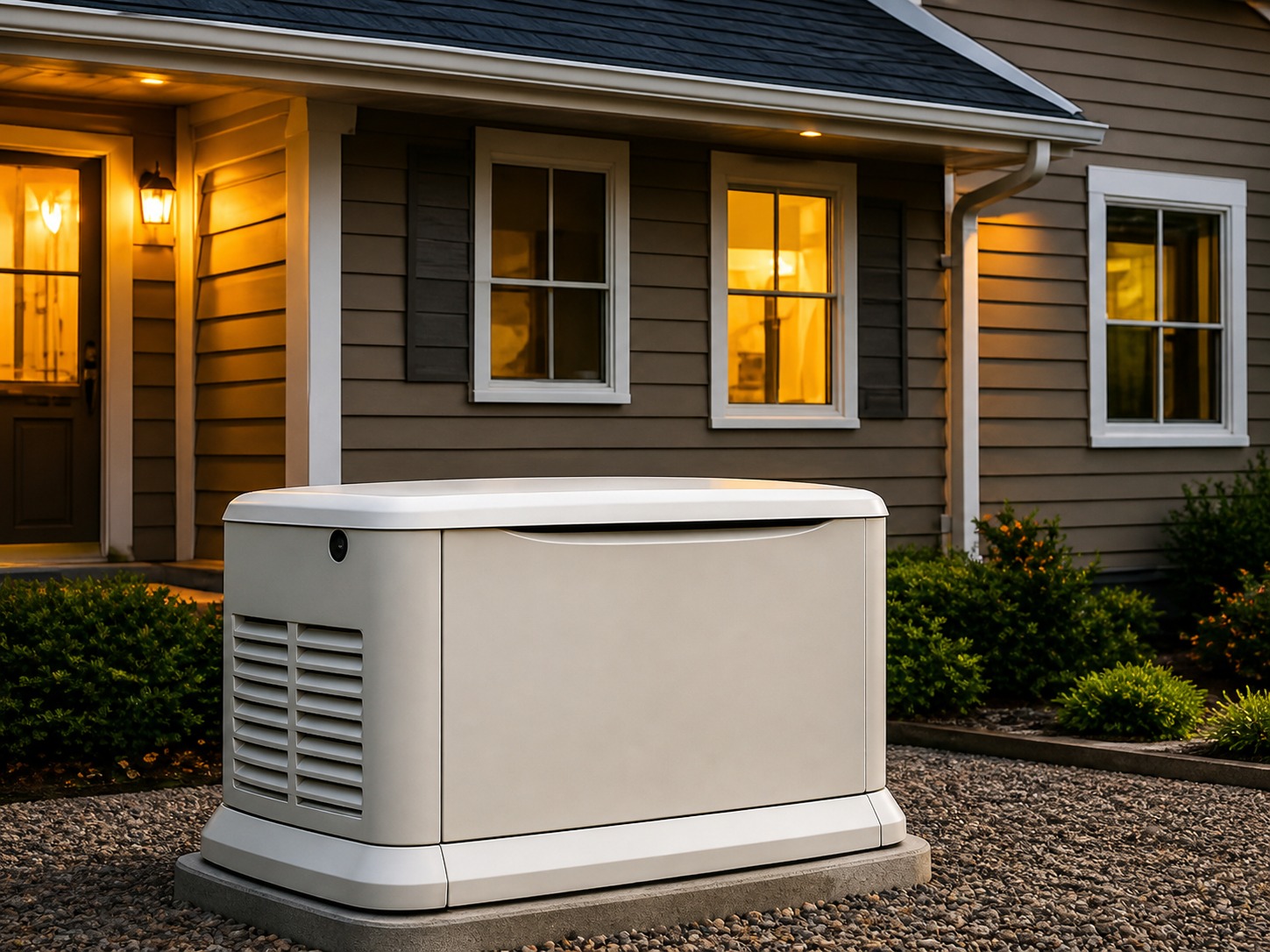
Gas Generators Produce More Power
One of the biggest advantages of gas generators is higher wattage output.
Many gas generators can power:
- refrigerators
- freezers
- microwaves
- sump pumps
- central air conditioners
- water heaters
- entire homes
Common output ranges include:
- 2,000 watts
- 5,000 watts
- 10,000+ watts
For long-term emergency home backup, gas generators remain one of the strongest options.
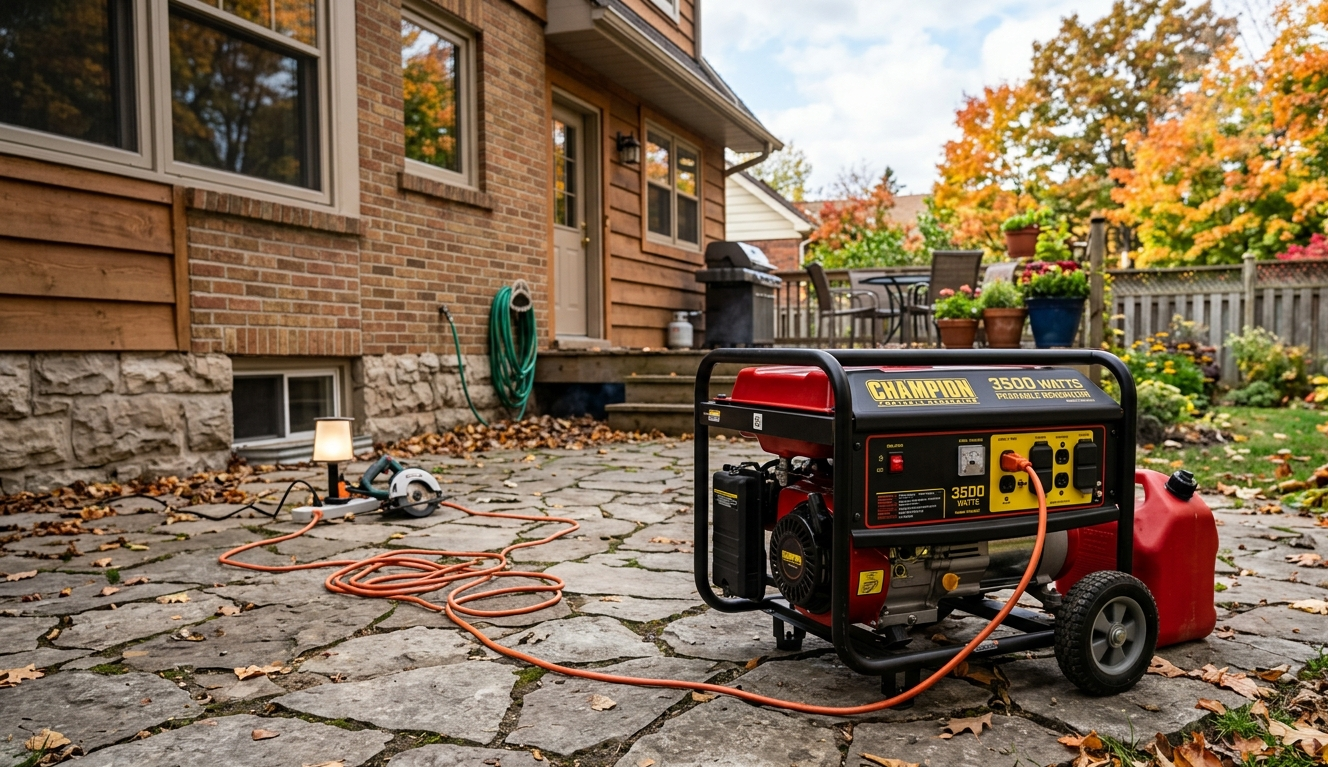
Solar Generators Have More Limited Power
Solar generators are generally better suited for:
- electronics
- lights
- Wi-Fi routers
- TVs
- CPAP machines
- small appliances
Larger solar generators can power refrigerators and essential circuits, but battery limitations still exist.
High-capacity systems can become expensive quickly.
Runtime Comparison
Gas Generators Can Run Much Longer
As long as fuel is available, gas generators can continue operating for extended periods.
This makes them ideal during:
- hurricanes
- snowstorms
- multi-day blackouts
Many portable generators run:
- 8–18 hours per fuel tank
Dual fuel generators add flexibility during emergencies.
Solar Generator Runtime Depends on Battery Capacity
Solar generators rely entirely on stored battery power.
Once depleted, they must recharge through:
- solar panels
- wall charging
- vehicle charging
Cloudy weather and nighttime can slow solar charging significantly.
For short outages and essential devices, solar generators work extremely well.
For long outages with heavy appliances, battery limitations become more noticeable.
Noise Level Comparison
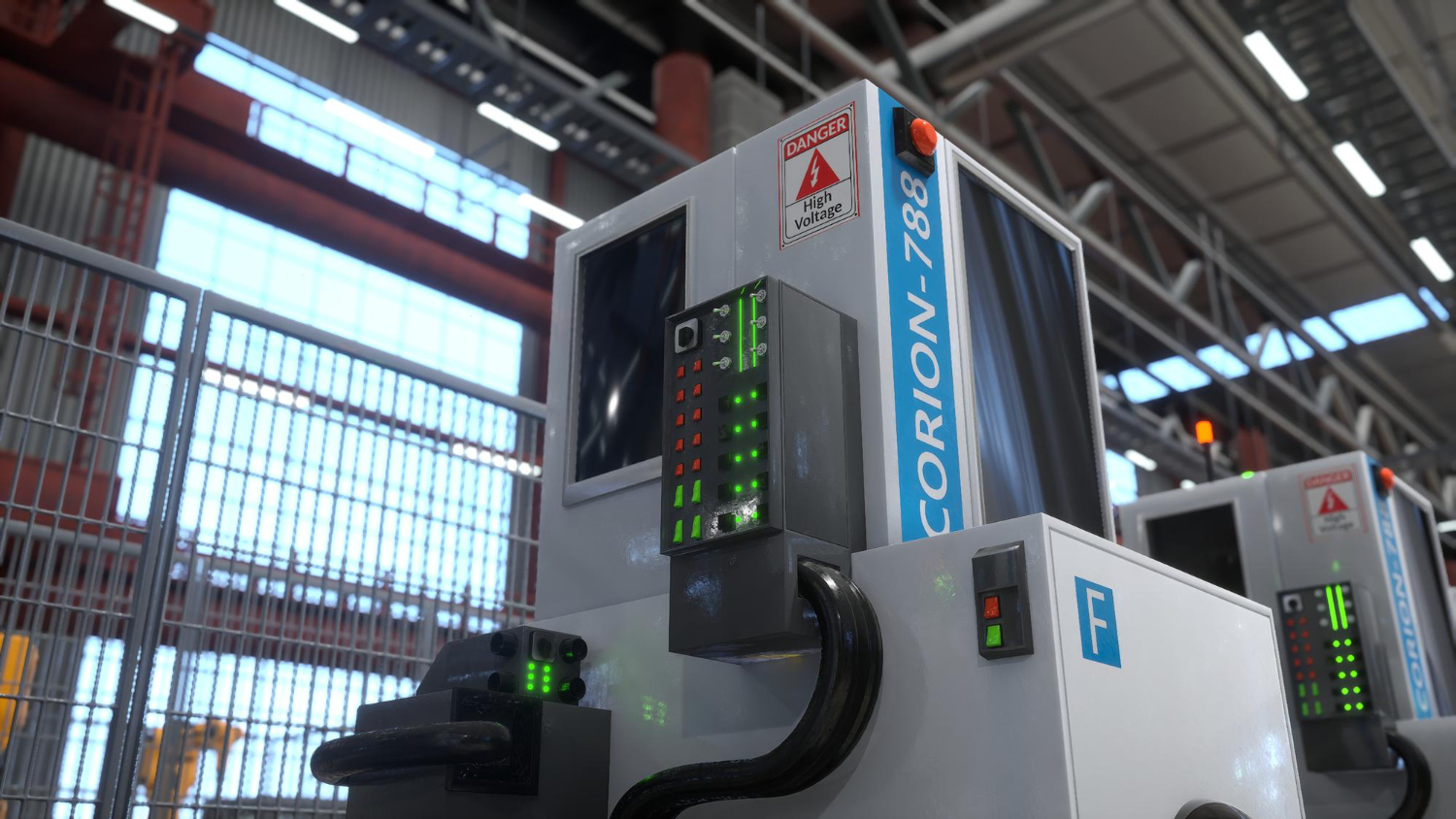
Gas Generators Are Louder
Traditional generators create:
- engine noise
- vibration
- exhaust sound
Open-frame generators are especially noisy.
Even quieter inverter generators still produce noticeable sound.
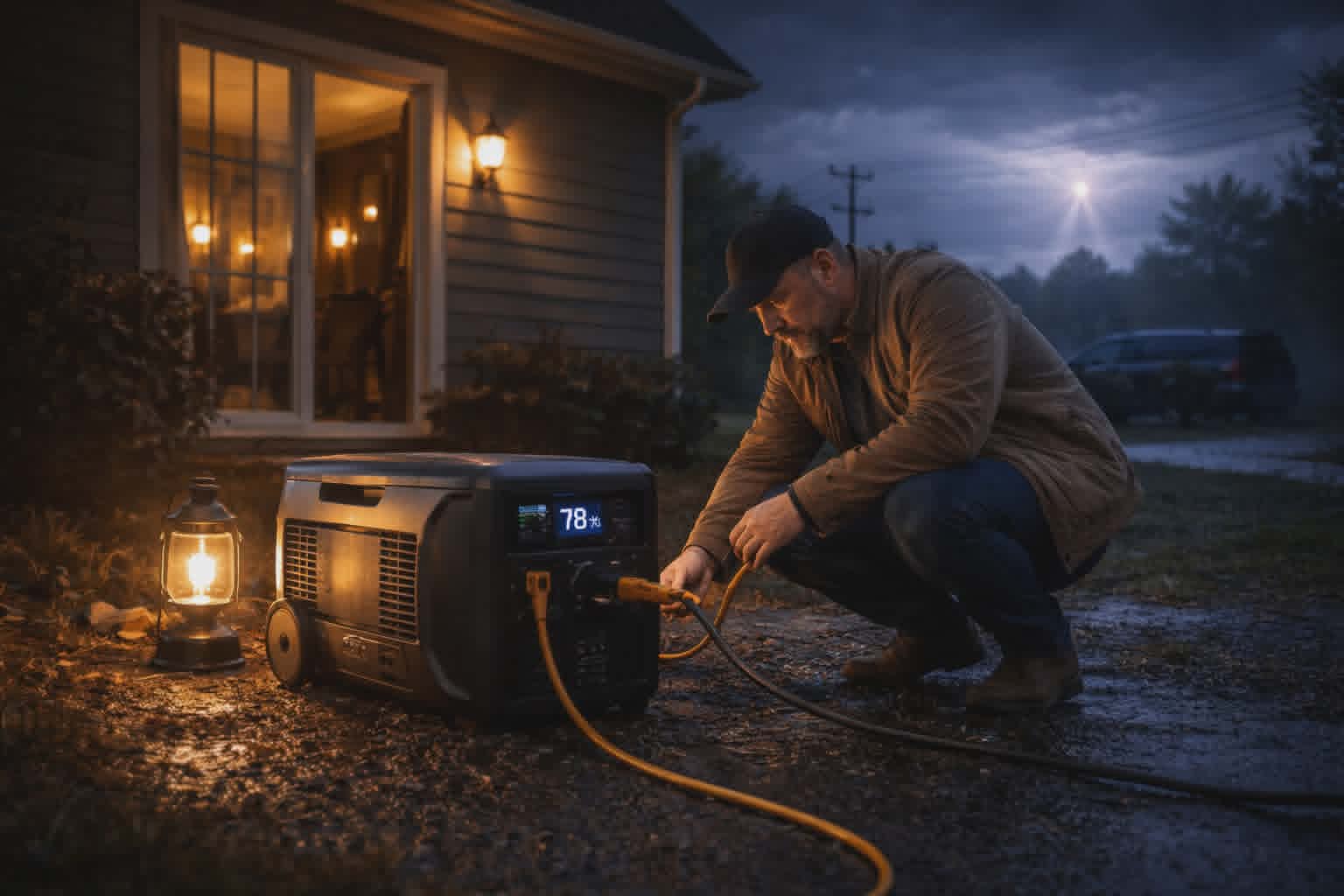
Solar Generators Are Nearly Silent
Solar generators are one of the quietest backup power options available.
This makes them excellent for:
- indoor use
- nighttime outages
- apartments
- neighborhoods
- quiet environments
Silent operation is one of the biggest reasons many homeowners prefer battery backup systems.
Indoor Safety Comparison
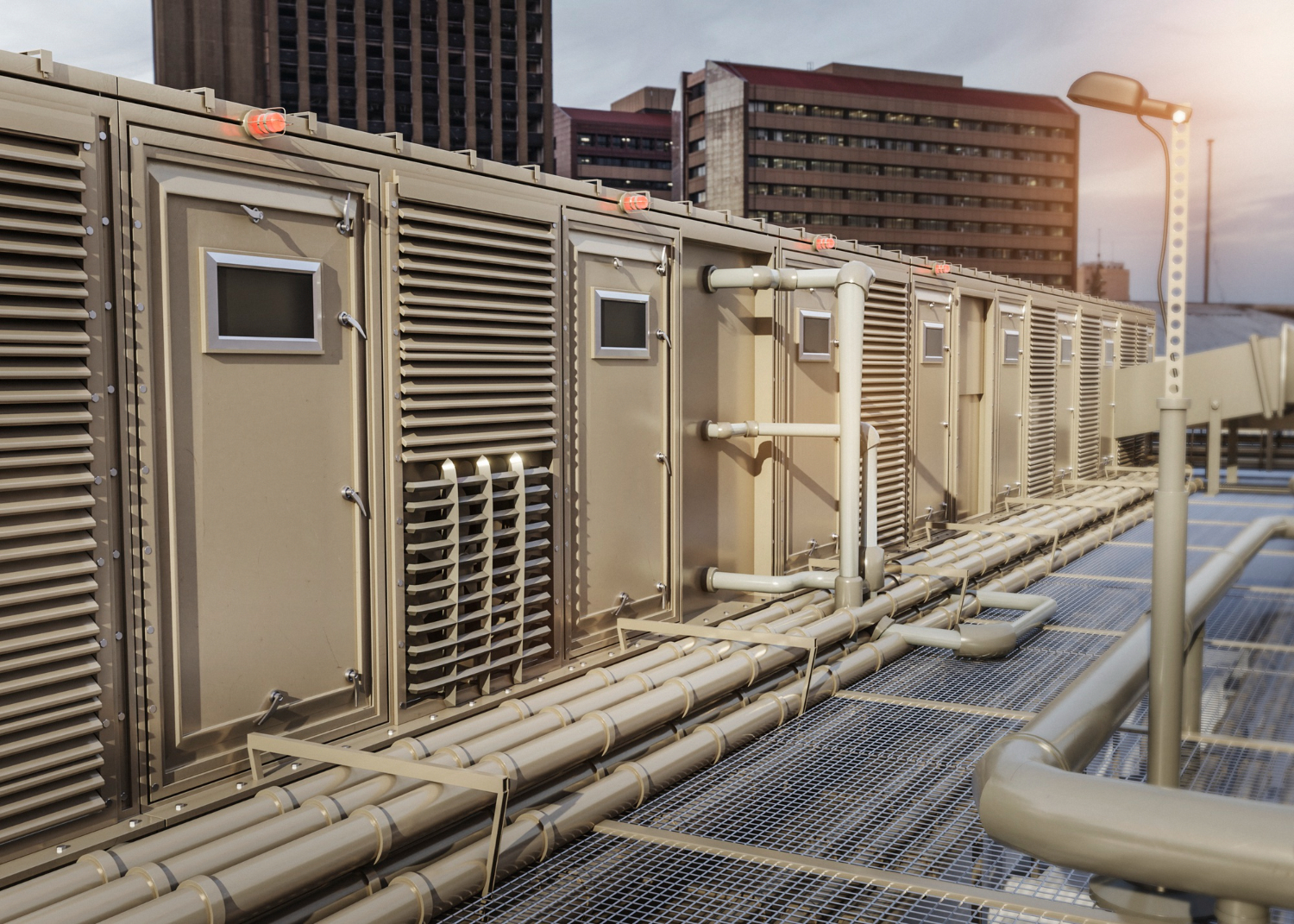
Gas Generators Must NEVER Be Used Indoors
Gas generators produce:
- carbon monoxide
- dangerous exhaust fumes
- fire risks
Improper use can be deadly.
Generators should always operate:
- outdoors
- far from windows
- in ventilated areas
Solar Generators Are Safe Indoors
Solar generators:
- produce no fumes
- create no combustion
- generate no carbon monoxide
This makes them ideal for:
- apartments
- bedrooms
- emergency indoor backup power
Safety is one of the biggest advantages of solar backup systems.
Maintenance Comparison
Gas Generators Require More Maintenance
Routine maintenance includes:
- oil changes
- spark plug replacement
- fuel stabilization
- engine servicing
Fuel storage also requires attention during long-term emergencies.
Solar Generators Require Very Little Maintenance
Most solar generators only require:
- periodic charging
- battery care
- solar panel cleaning
No fuel or engine maintenance is necessary.
Fuel and Energy Comparison
Gas Generators Depend on Fuel Availability
During emergencies, gasoline shortages can become a major issue.
Homeowners often need:
- fuel storage
- propane tanks
- emergency fuel supplies
Solar Generators Use Renewable Energy
Solar generators recharge using sunlight, making them:
- eco-friendly
- renewable
- useful off-grid
This provides energy independence during certain emergencies.
Cost Comparison
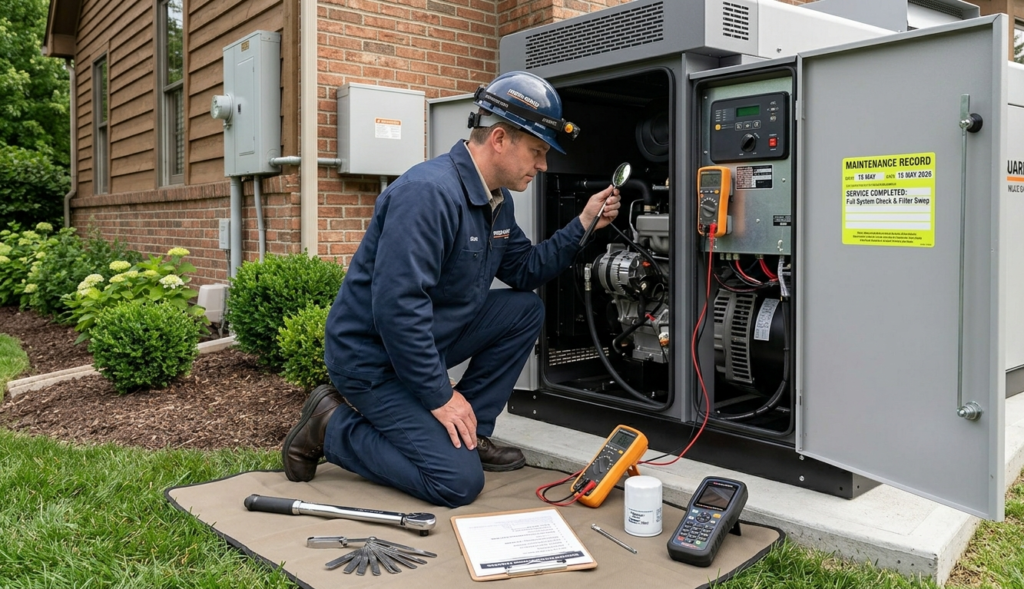
Gas Generators Usually Cost Less Initially
Portable gas generators typically cost:
$300–$3,000
Whole-home standby generators cost more with installation.
Fuel costs continue long-term.
Solar Generators Often Cost More Upfront
Solar generators typically range between:
$300–$5,000+
Larger systems with solar panels can cost even more.
However, operating costs are usually lower over time.
Best Uses for Gas Generators
Gas generators are best for:
- long outages
- whole-home backup
- large appliances
- extended emergency power
- high-wattage needs
Best Uses for Solar Generators
Solar generators are best for:
- indoor backup power
- apartments
- electronics
- quiet operation
- eco-friendly energy
- short outages
Best Solar Generators for Home Backup
EcoFlow Delta 2
Excellent for:
- fast charging
- emergency backup
- portable power
Jackery Explorer 1000
Excellent for:
- beginners
- portability
- camping
Bluetti AC200MAX
Excellent for:
- larger battery capacity
- extended backup power
Best Gas Generators for Home Backup
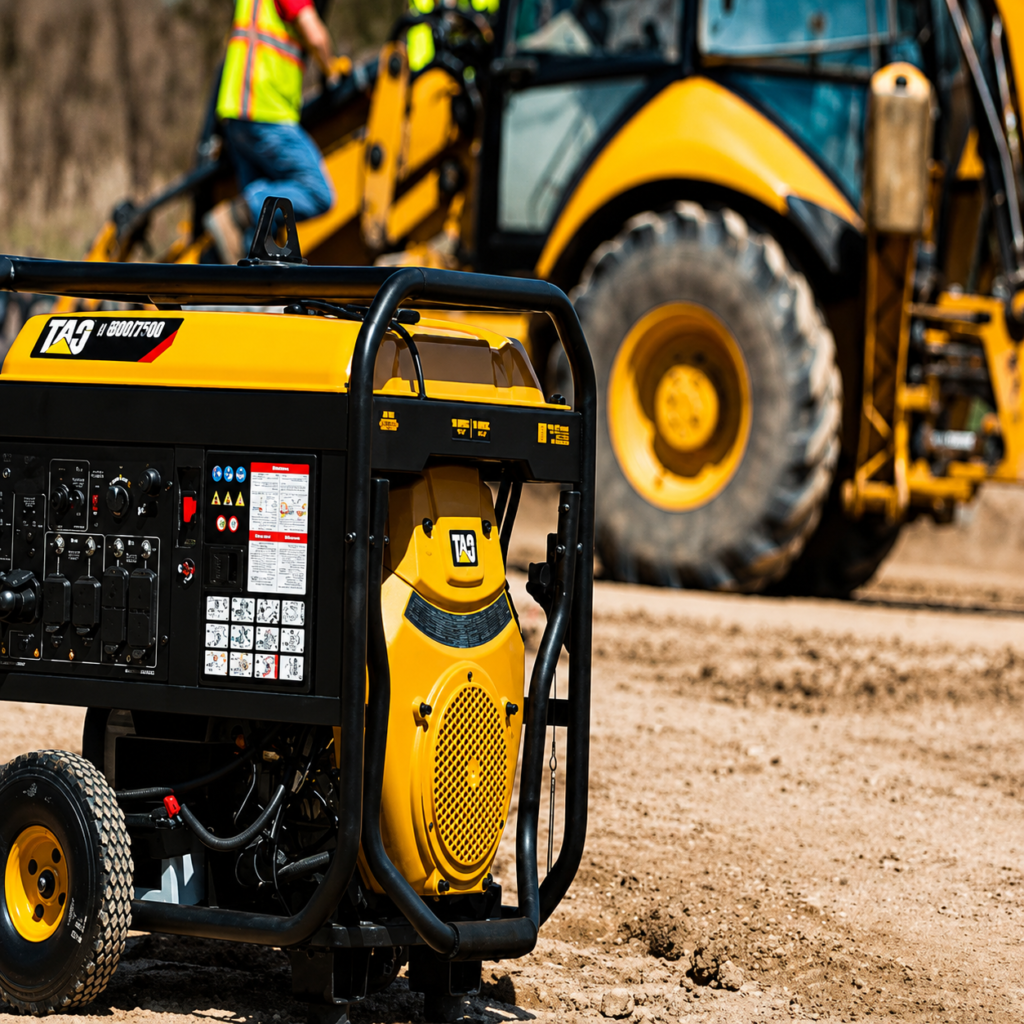
Honda EU2200i
Excellent for:
- reliability
- quiet inverter power
Westinghouse iGen4500
Excellent for:
- RV use
- home backup
Champion Dual Fuel Generator
Excellent for:
- fuel flexibility
- emergency preparedness
Which Is Better for Home Backup?
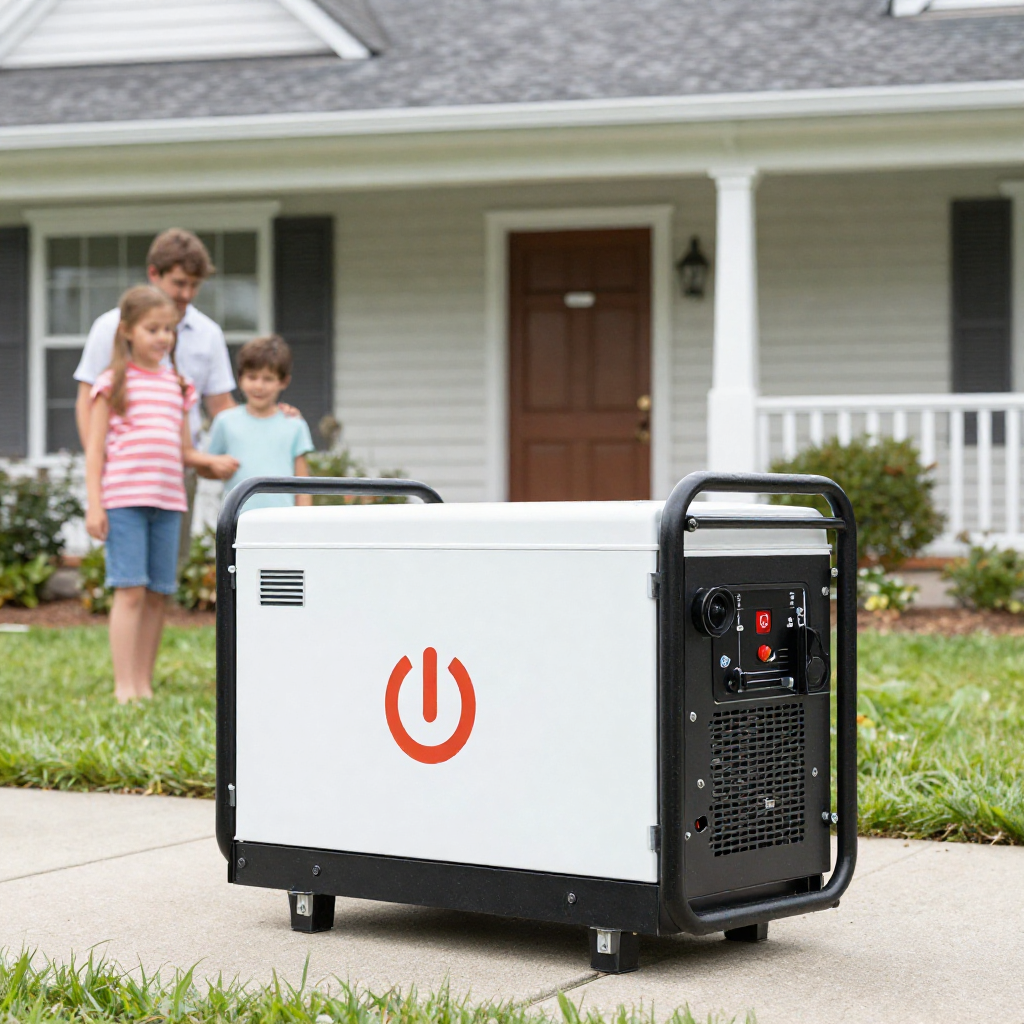
Choose a Gas Generator If:
- you need maximum power
- outages are frequent or long
- you need to run major appliances
- you want extended runtime
Choose a Solar Generator If:
- you want indoor-safe backup power
- quiet operation matters
- you mainly power electronics
- you prefer low maintenance
The Best Solution May Be Both
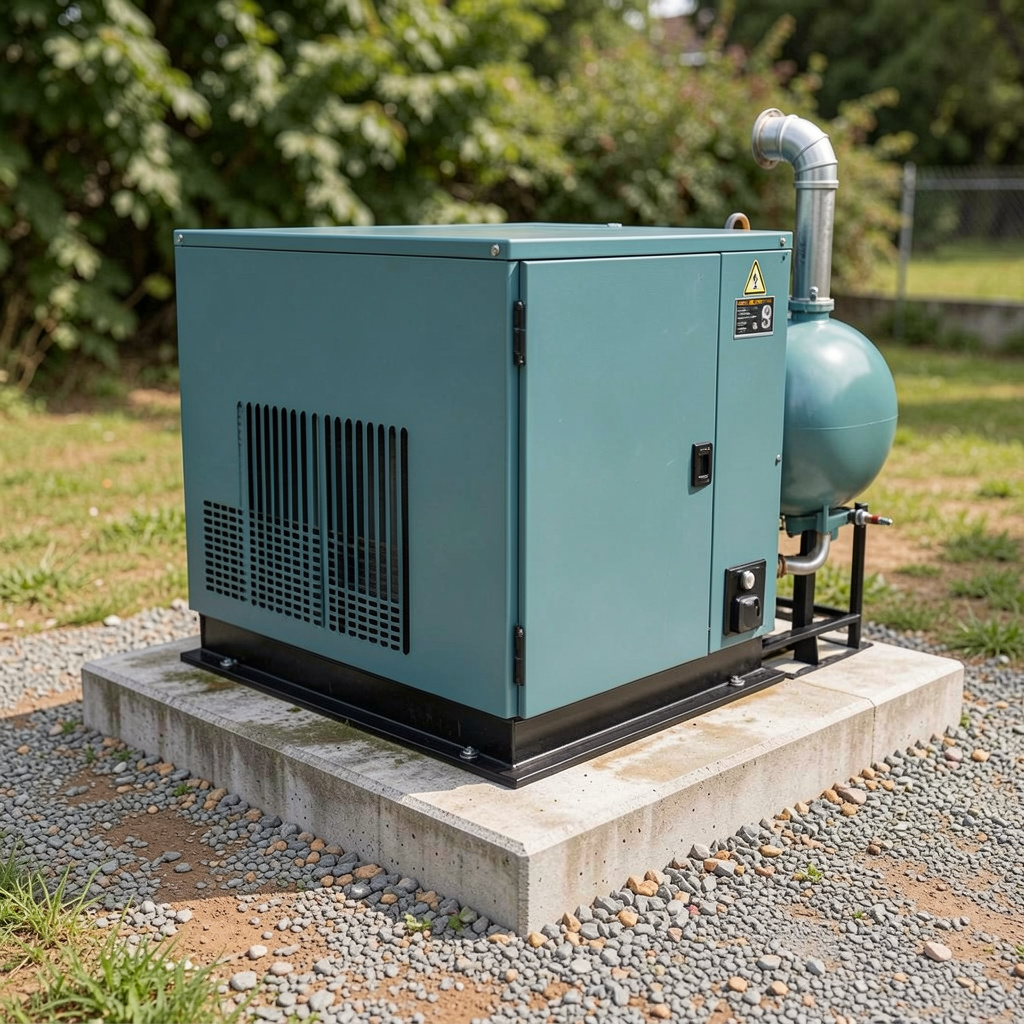
Many homeowners now combine:
- a gas generator for heavy-duty backup
- a solar generator for indoor essentials
This provides:
- long runtime
- quiet indoor power
- appliance flexibility
- emergency redundancy
For complete preparedness, hybrid backup setups are becoming increasingly popular.
Final Verdict
Both solar generators and gas generators offer valuable home backup solutions during emergencies and outages.
Gas generators remain the best option for:
- whole-home backup
- large appliances
- long-term outages
- maximum power output
Solar generators excel in:
- indoor-safe backup power
- quiet operation
- low maintenance
- renewable energy storage
The right backup system depends on:
- your budget
- outage frequency
- appliance needs
- desired convenience
- emergency preparedness goals
As power outages and extreme weather events continue increasing, reliable backup power has become one of the most important investments homeowners can make.
Frequently Asked Questions
Yes, many larger solar generators can power refrigerators for several hours depending on battery size.