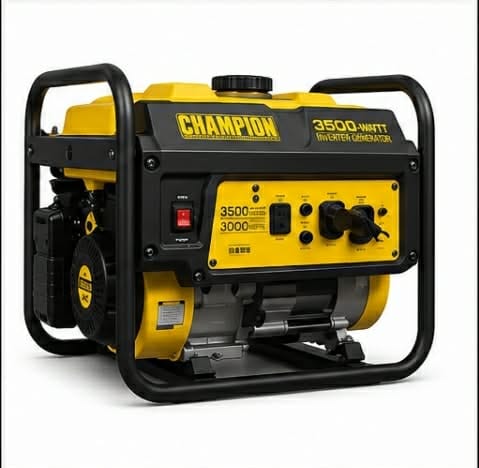
A 4,000-square-foot home typically has much higher electrical demands than the average house. Multiple HVAC systems, larger kitchens, additional refrigerators, well pumps, electric water heaters, home offices, workshops, and entertainment systems can all add significantly to your total power requirements.
However, square footage alone doesn’t determine the size of generator you need. Two homes with the same square footage can have dramatically different electrical loads depending on the number of appliances, HVAC units, fuel sources, and lifestyle. The most accurate way to size a generator is to calculate the total running wattage of the loads you want to power and then account for the highest starting surge from motor-driven equipment.
For many 4,000-square-foot homes, a generator in the 20–30 kW range is often appropriate for whole-house standby backup, while a high-output portable generator in the 12,000–18,000-watt range can often power many essential circuits when used with a properly installed transfer switch and careful load management.
In this guide, we’ll explain how to determine the right generator size for a 4,000-square-foot house, compare the best generators in 2026, discuss whole-house versus essential-circuit backup, and help you choose the right solution for your home’s electrical needs.
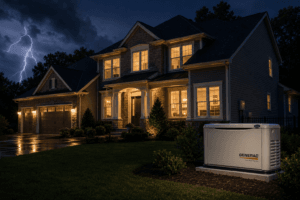
Quick Picks: Best Generators for a 4,000 Sq Ft House
| Category | Generator | Best For |
|---|---|---|
| Best Overall | DuroMax XP13000HXT Tri-Fuel Generator | Large homes with essential circuit backup |
| Best Dual-Fuel | Westinghouse WGen11500DFc | Large home emergency power |
| Best High-Power Portable | Generac GP18000EFI | Heavy electrical loads |
| Best Tri-Fuel | Predator 13,000-Watt Tri-Fuel Generator | Natural gas flexibility |
| Best Whole-House Standby | Generac 26kW Home Standby Generator | Automatic whole-home protection |
Does House Size Determine Generator Size?
Not entirely.
While larger homes usually consume more electricity, the biggest factor is what you want to power during an outage.
For example:
- A 4,000 sq ft home using natural gas heat and water heating may need a smaller generator than
- A 2,800 sq ft home with two central air conditioners, an electric range, electric dryer, electric water heater, and well pump.
Professional load calculations always focus on electrical demand—not just square footage.
Typical Electrical Loads in a 4,000 Sq Ft Home
Many larger homes include:
- Two HVAC systems
- Two refrigerators
- Freezer
- Electric range
- Microwave
- Dishwasher
- Laundry equipment
- Well pump
- Septic pump
- Home office
- Internet equipment
- Lighting
- Garage door openers
- Entertainment systems
Motor-driven equipment such as air conditioners, refrigerators, and pumps requires additional starting wattage that must be included when sizing a generator.
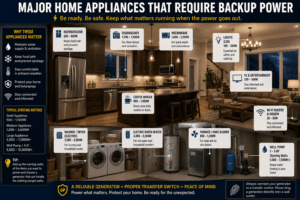
Recommended Generator Size
| Backup Goal | Recommended Generator Size |
|---|---|
| Essential Circuits | 10,000–15,000 watts |
| Large Portable Backup | 12,000–18,000 watts |
| Partial Whole-Home Backup | 18–22 kW |
| Whole-House Standby | 22–30 kW |
These recommendations assume typical residential electrical loads. Homes with multiple HVAC units, electric heating, electric vehicle chargers, or other heavy loads may require additional capacity.
Best Overall
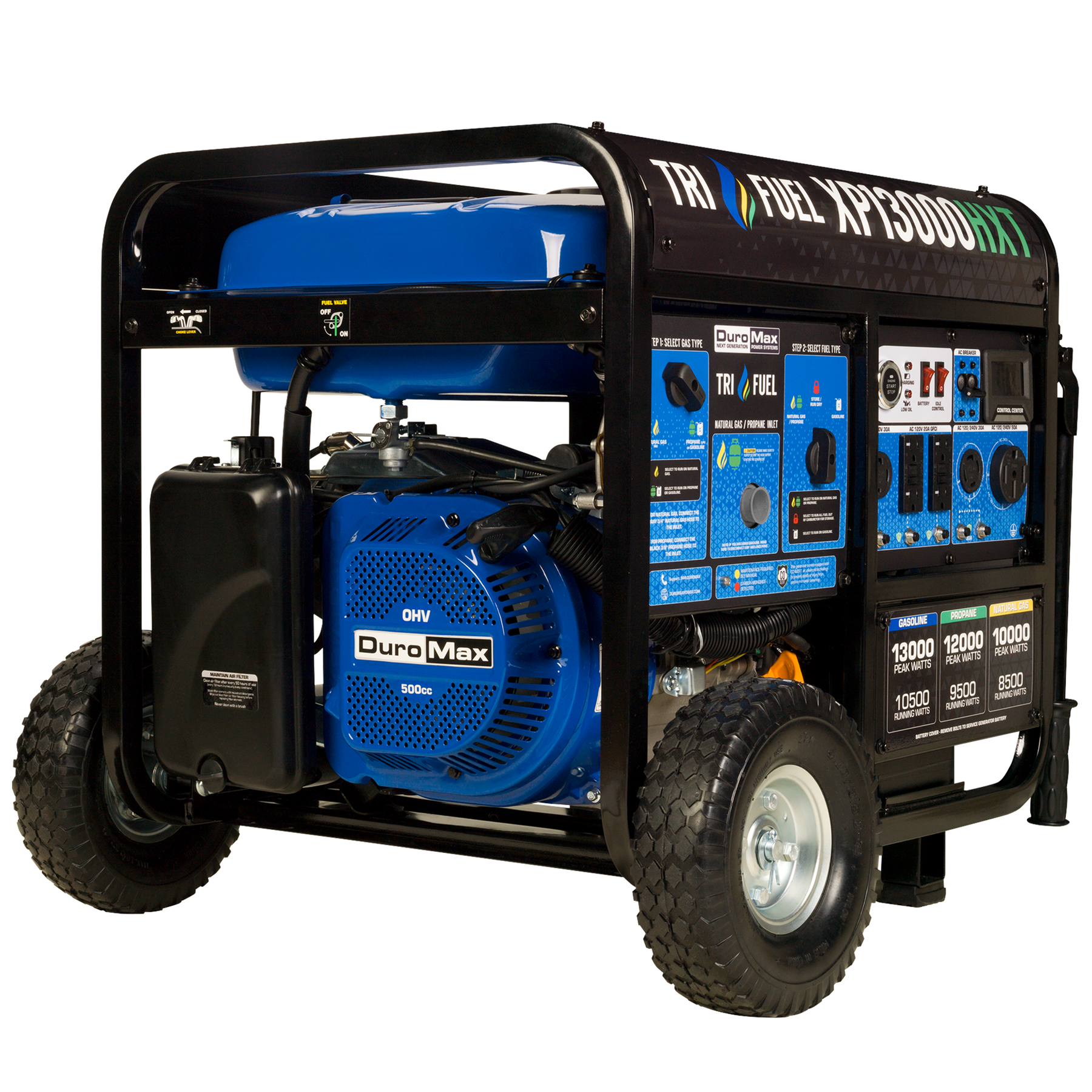
DuroMax XP13000HXT Tri-Fuel Generator
Why We Picked It
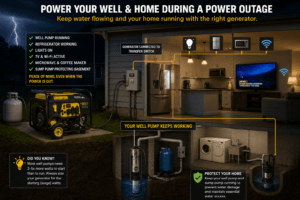
The DuroMax XP13000HXT is an excellent choice for homeowners who want powerful backup without the cost of a permanently installed standby generator. Its tri-fuel capability provides outstanding flexibility during extended outages, while its high starting wattage allows it to power many essential household circuits through a transfer switch.
Pros
- Tri-fuel capability
- High surge wattage
- Electric start
- Transfer switch compatible
- Excellent value
- Long runtime
Cons
- Heavy
- Manual setup required
Best For
- Large homes
- Essential household circuits
- Well pumps
- Extended outages
- Emergency preparedness
Best Dual-Fuel Generator
Westinghouse WGen11500DFc

Why We Picked It
The Westinghouse WGen11500DFc provides dependable backup power for many large homes while offering the flexibility of operating on either gasoline or propane. Its high output makes it well suited for refrigerators, lighting, HVAC blowers, and many other household essentials.
Pros
- Dual-fuel operation
- Remote electric start
- Excellent surge capacity
- Reliable performance
- Long runtime
Cons
- Heavy
- Requires storage space
Best For
- Large homes
- Emergency backup
- Multi-day outages
- Rural properties
Choosing the Right Generator
Before purchasing a generator for a 4,000-square-foot home, determine:
- Running watts
- Starting watts
- Number of HVAC systems
- Fuel type
- Transfer switch compatibility
- Well or septic pump requirements
- Future electrical needs
Choosing the correct size now helps prevent overloads and ensures reliable backup power during emergencies.
Best High-Power Portable Generator
Genera
Why We Picked It
The Generac GP18000EFI is one of the most powerful portable generators available for residential backup power. Its impressive output makes it an excellent choice for larger homes that need to operate multiple major appliances, HVAC systems, well pumps, refrigerators, and other essential electrical loads during an outage.
Electronic Fuel Injection (EFI) improves cold-weather starting, fuel efficiency, and engine reliability compared to traditional carbureted generators.
Pros
- Massive power output
- Electronic Fuel Injection
- Electric start
- Excellent surge capacity
- Built for demanding loads
- Reliable performance
Cons
- Heavy generator
- Higher fuel consumption
- Premium purchase price
Best For
- 4,000 sq ft homes
- Large HVAC systems
- Well pumps
- Heavy electrical loads
- Extended outages
Best Tri-Fuel Generator
Predator 13,000-Watt Tri-Fuel Generator

Why We Picked It
The Predator 13,000-Watt Tri-Fuel Generator combines high power with outstanding fuel flexibility. Operating on gasoline, propane, or natural gas gives homeowners multiple fueling options during emergencies.
For larger homes with natural gas service, it can provide dependable backup power without relying solely on stored gasoline.
Pros
- Tri-fuel capability
- Remote electric start
- High surge wattage
- Excellent value
- Carbon monoxide shutdown
- Long runtime
Cons
- Heavy
- Louder than inverter generators
Best For
- Large homes
- Natural gas service
- Whole-home backup
- Long-duration outages
Best Whole-House Standby Generator
Generac 26kW Home Standby Generator

Why We Picked It
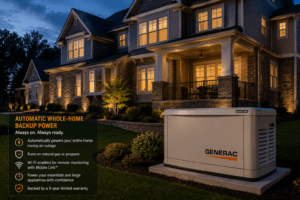
For homeowners wanting completely automatic backup power, the Generac 26kW Home Standby Generator is one of the best available.
It automatically starts within seconds after utility power is lost and can supply electricity to nearly an entire 4,000-square-foot home depending on the home’s electrical demand and load management.
Running on natural gas or propane eliminates the need for manual refueling during extended outages.
Pros
- Automatic startup
- Whole-home protection
- Quiet operation
- Natural gas or propane
- Excellent long-term reliability
Cons
- Professional installation required
- Highest overall cost
Best For
- Luxury homes
- Frequent outages
- Vacation homes
- Homeowners wanting automatic backup
Generator Size Examples
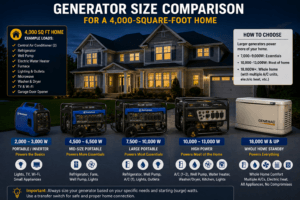
The following examples show common backup scenarios for a 4,000-square-foot home.
Essential Backup Only
Generator Size:
10,000–12,000 Watts
Can often power:
- Refrigerator
- Freezer
- Lighting
- Wi-Fi
- Television
- Furnace blower
- Microwave
Comfortable Backup
Generator Size:
12,000–15,000 Watts
Often powers:
- Refrigerator
- Freezer
- HVAC blower
- Well pump
- Sump pump
- Kitchen appliances
- Lighting
- Internet
Large Home Backup
Generator Size:
15,000–18,000 Watts
Can often operate:
- Central air conditioner
- Multiple refrigerators
- Well pump
- Septic pump
- Large kitchen appliances
- Additional household circuits
Whole-House Standby Backup
Generator Size:
22–30 kW
Typically powers:
- Entire electrical panel (depending on load)
- HVAC systems
- Kitchen appliances
- Laundry equipment
- Water heater
- Well pump
- Lighting
- Entertainment systems
Portable Generator vs. Standby Generator
Portable Generator
Advantages:
- Lower purchase price
- No permanent installation
- Can be moved when needed
- Excellent emergency preparedness
- Easier maintenance
Best For:
- Occasional outages
- Budget-conscious homeowners
- Essential circuit backup
Standby Generator
Advantages:
- Automatic operation
- No manual startup
- Continuous natural gas or propane supply
- Whole-home coverage
- Adds convenience
Best For:
- Frequent outages
- Luxury homes
- Homeowners wanting uninterrupted power
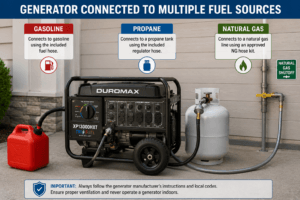
Gasoline vs. Propane vs. Natural Gas
Gasoline
Advantages:
- Maximum generator output
- Readily available
- Easy to transport
Disadvantages:
- Shorter storage life
- Requires fuel stabilizer
Propane
Advantages:
- Long shelf life
- Cleaner burning
- Easier long-term storage
Disadvantages:
- Slightly reduced power output
Natural Gas
Advantages:
- Continuous fuel supply
- No refueling
- Excellent for extended outages
Disadvantages:
- Requires existing natural gas service
- Slightly lower maximum output
Preparing a 4,000 Sq Ft Home for Backup Power
To maximize generator performance:
- Calculate your electrical load
- Install a transfer switch or interlock kit
- Test the generator monthly
- Store fuel safely
- Keep spare oil and filters
- Install carbon monoxide detectors
- Practice operating the generator before an emergency
Preparation before a storm helps ensure your home remains comfortable and protected when utility power is lost.
Features to Look For
Choosing the right generator for a 4,000-square-foot home involves more than simply buying the largest model available. The best generator combines sufficient power with features that improve safety, convenience, fuel efficiency, and long-term reliability.
High Starting Wattage
Large homes often contain several motor-driven appliances that require additional power during startup.
These include:
- Central air conditioners
- Well pumps
- Septic pumps
- Sump pumps
- Refrigerators
- Freezers
A generator with higher surge capacity is better equipped to handle these temporary power spikes without overloading.
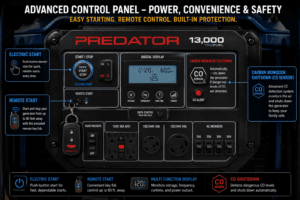
Electric Start
Electric start allows you to start your generator with the push of a button instead of pulling a recoil cord.
Benefits
- Faster startup
- Easier during bad weather
- Less physical effort
- More convenient during emergencies
Remote Start
Many premium generators include wireless remote start.
Benefits
- Start the generator from inside the house or nearby
- More convenient during rain or snow
- Faster emergency operation
Carbon Monoxide (CO) Shutdown
Many newer generators include built-in carbon monoxide detection systems.
If dangerous CO levels accumulate around the generator, the engine automatically shuts down.
Always operate generators outdoors in a well-ventilated location. Never run a generator inside a garage, basement, crawl space, or enclosed structure. Keep it well away from doors, windows, and vents.
Transfer Switch Compatibility
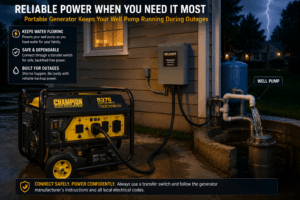
For a home this size, a transfer switch or interlock kit is highly recommended.
Benefits include:
- Safer home connection
- Easier operation
- Cleaner installation
- No extension cords throughout the home
- Protection against dangerous backfeeding
Fuel Gauge
A built-in fuel gauge makes it easier to monitor fuel levels during extended outages.
Benefits include:
- Better fuel planning
- Fewer unexpected shutdowns
- Easier refueling
Low-Oil Shutdown
Low-oil shutdown automatically protects the engine by stopping it before damage occurs.
This feature can greatly extend engine life and reduce maintenance costs.
Multiple Outlet Options
Look for generators that include:
- 120V household outlets
- 120/240V outlets
- 30-amp locking outlets
- 50-amp outlets
- RV outlets
- USB charging ports (on some models)
These options provide greater flexibility during emergencies.
Common Generator Buying Mistakes
Avoiding these common mistakes can save thousands of dollars and help ensure your generator performs reliably.
Buying Too Small
One of the most common mistakes is sizing a generator based only on running watts.
Always include startup surge from:
- HVAC systems
- Refrigerators
- Freezers
- Well pumps
- Septic pumps
- Sump pumps
Leaving additional capacity also provides room for future appliances.
Ignoring Multiple HVAC Systems
Many 4,000-square-foot homes have two heating or cooling systems.
If both may operate during an outage, your generator must be capable of handling the combined electrical demand.
Forgetting Electric Water Heaters
Electric water heaters can require thousands of watts.
If hot water is important during outages, include this load in your calculations.
Overlooking Well and Septic Pumps
Many larger homes rely on:
- Private wells
- Septic systems
- Irrigation pumps
Motor-driven pumps require high starting wattage that should always be considered when choosing a generator.
Large generators consume fuel quickly.
Prepare by:
- Storing approved gasoline containers
- Keeping propane tanks filled
- Using fuel stabilizer
- Rotating stored fuel
- Considering natural gas if available
Waiting Until Storm Season
Large generators frequently sell out before major storms.
Buying early gives you time to:
- Compare models
- Install a transfer switch
- Learn how to operate the generator
- Store fuel safely
- Test the system
Skipping Routine Maintenance
Routine maintenance keeps your generator ready for emergencies.
Regularly:
- Change engine oil
- Replace the air filter
- Inspect spark plugs
- Check battery condition
- Exercise the generator monthly
- Inspect fuel lines and hoses
Frequently Asked Questions
What size generator is recommended for a 4,000 sq ft house?
For many homes this size, 12,000–18,000 watts can power many essential circuits with proper load management. For automatic whole-home coverage, many homeowners choose a 22–30 kW standby generator.
Can a portable generator power a 4,000 sq ft house?
Yes. A high-output portable generator connected through a properly installed transfer switch can often power many essential household circuits. Whether it can power the entire home depends on the total electrical demand.
Can a generator run two central air conditioners?
Some larger portable generators and many standby generators can support two air conditioning systems, but this depends on their starting and running wattage as well as the generator’s capacity.
Is a standby generator better than a portable generator?
Standby generators offer automatic operation and whole-home protection but generally cost much more after installation. Portable generators provide excellent value and flexibility for many homeowners.
Should I buy a dual-fuel or tri-fuel generator?
If your home has natural gas service, a tri-fuel generator offers excellent flexibility. Otherwise, a dual-fuel generator running on gasoline or propane is an outstanding choice for most homeowners.
How often should I test my generator?
Most manufacturers recommend running your generator for 20–30 minutes once each month under a moderate electrical load to help ensure it is ready when an outage occurs.
Final Thoughts
A 4,000-square-foot home represents a significant investment, and protecting it during a power outage starts with choosing the right generator. The ideal generator depends on your electrical load, whether you need to power only essential circuits or nearly the entire home, and how much convenience you want during an outage.
For many homeowners, the DuroMax XP13000HXT Tri-Fuel Generator offers one of the best combinations of power, fuel flexibility, and value for essential circuit backup. If your home has higher electrical demands, the Generac GP18000EFI delivers exceptional portable power, while the Generac 26kW Home Standby Generator provides automatic whole-house protection for those seeking the highest level of convenience.
Before making your purchase, calculate both your running and starting wattage requirements, account for major motor-driven appliances, and leave extra capacity for future needs. A properly sized generator can help keep your lights on, your HVAC system running, your food cold, and your family comfortable during even the longest power outages.