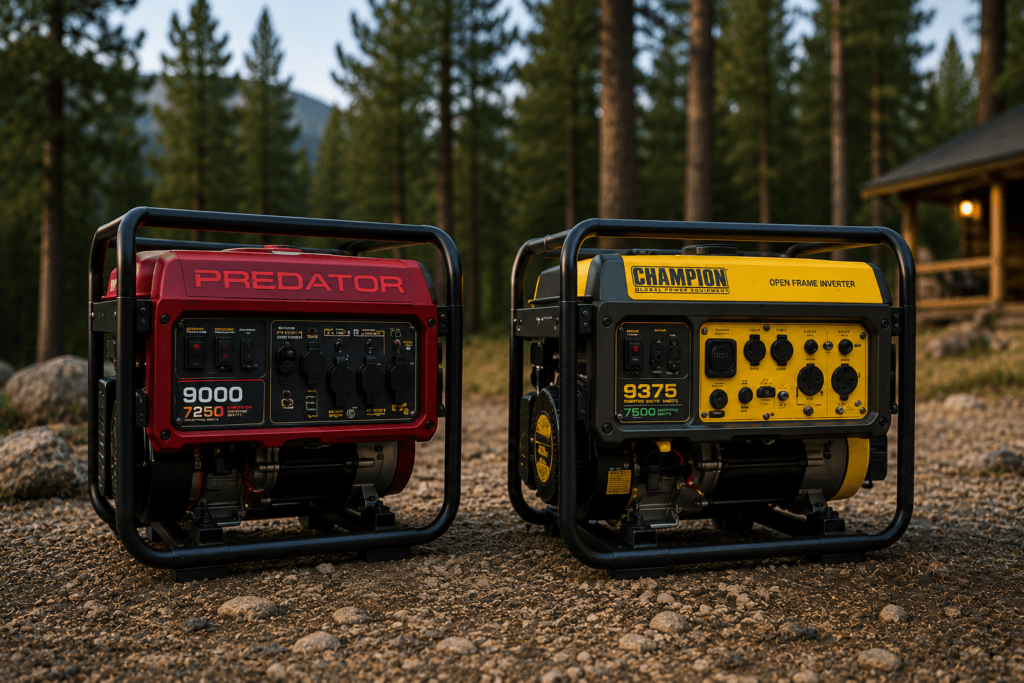
Power outages are becoming more frequent across many parts of the country due to severe storms, hurricanes, tornadoes, wildfires, winter weather, and aging electrical grids. For homeowners who want reliable backup power, two of the most popular options are whole-house generators and battery backup systems.
Both can keep your lights on and your essential appliances running, but they work in very different ways. A whole-house generator produces electricity using natural gas, propane, or diesel, while a battery backup system stores electricity in large rechargeable batteries and delivers power through an inverter.
Choosing between these two solutions depends on your home’s electrical needs, budget, outage frequency, fuel availability, and whether you want automatic backup power or a cleaner, quieter energy solution.
In this guide, we’ll compare whole-house generators and battery backup systems, explain the pros and cons of each, compare costs, discuss installation requirements, and help you decide which backup power solution is best for your home in 2026.
Quick Picks: Best Whole House Generators & Battery Backup Systems
| Category | Product | Best For |
|---|---|---|
| Best Whole-House Generator | Generac 24kW Home Standby Generator | Automatic whole-home backup |
| Best Standby Generator Value | Kohler 20kW Home Generator | Reliable automatic backup |
| Best Battery Backup | Tesla Powerwall 3 | Whole-home battery storage |
| Best Expandable Battery | EcoFlow DELTA Pro 3 | Flexible home backup |
| Best Budget Battery | Anker SOLIX F3800 | Essential home backup |
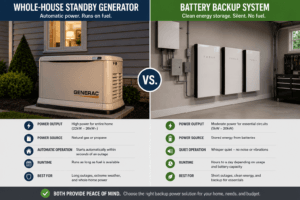
Whole House Generator vs. Battery Backup
Although both systems provide emergency electricity, they operate very differently.
Whole-House Generator
A standby generator automatically starts when utility power fails and generates electricity using:
- Natural gas
- Propane
- Diesel (some models)
It can continue operating as long as fuel is available.
Battery Backup
A battery backup system stores electricity inside rechargeable batteries.
It can recharge using:
- Utility power
- Solar panels
- Portable generators (some systems)
Battery systems produce no exhaust and operate almost silently.
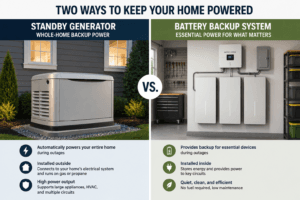
Why Choose a Whole-House Generator?
Standby generators remain one of the most dependable backup power solutions for homeowners.
Advantages
- Automatic startup
- Unlimited runtime with natural gas
- Handles heavy electrical loads
- Powers HVAC systems
- Powers well pumps
- Supports entire homes
- Proven long-term reliability
For homeowners who experience frequent or extended outages, a standby generator often provides the highest level of protection.
Best Whole-House Generator
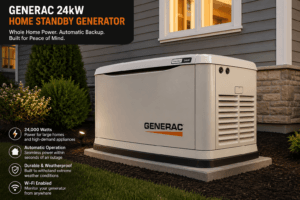
Generac 24kW Home Standby Generator
Why We Picked It
The Generac 24kW Home Standby Generator is one of the most popular whole-house generators available today. It automatically restores power within seconds after an outage and can supply electricity to most or all of a home’s electrical circuits, depending on load requirements.
Running on natural gas or propane eliminates the need for manual refueling, making it an outstanding choice for long-duration outages.
Pros
- Automatic startup
- Whole-home coverage
- Natural gas or propane
- Quiet operation
- Excellent reliability
- Strong dealer network
Cons
- Professional installation required
- Higher upfront investment
Best For
- Whole-home backup
- Frequent outages
- Automatic emergency power
- Homes with natural gas service
Best Standby Generator Value
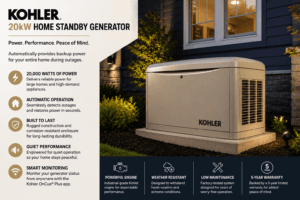
Kohler 20kW Home Generator
 ]
]
Why We Picked It
The Kohler 20kW Home Generator delivers dependable automatic backup power with excellent engine quality and fast response during outages. It offers enough capacity for many average-sized homes while maintaining Kohler’s reputation for durability.
Pros
- Automatic operation
- Reliable engine
- Quiet performance
- Fast transfer switch response
- Excellent build quality
Cons
- Professional installation required
- Premium pricing
Best For
- Average homes
- Automatic backup
- Long-term reliability
- Homeowners wanting peace of mind
[IMAGE PLACEHOLDER – Standby generator automatically powering a home during a nighttime storm.]
Choosing the Right Backup Power System
Before deciding between a standby generator and a battery backup system, consider:
- Total electrical load
- Length of typical outages
- Natural gas availability
- Solar panel ownership
- Noise restrictions
- Budget
- Future expansion
- Maintenance requirements
Choosing the right backup system today helps protect your home, preserve food, keep your HVAC system operating, and provide peace of mind during future outages.
Best Battery Backup
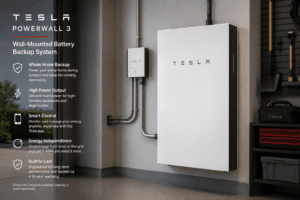
Tesla Powerwall 3
Why We Picked It
The Tesla Powerwall 3 is one of the most advanced residential battery backup systems available. It automatically supplies electricity during outages while also storing excess solar energy for later use.
For homeowners with solar panels or those looking to reduce dependence on the electrical grid, it offers an excellent combination of backup power, energy savings, and smart home integration.
Pros
- Automatic backup power
- Solar compatible
- Quiet operation
- Smartphone monitoring
- High efficiency
- Minimal maintenance
Cons
- Higher installation cost
- Professional installation required
- Limited runtime without solar or grid charging
Best For
- Solar-powered homes
- Quiet neighborhoods
- Daily energy savings
- Automatic backup
Best Expandable Battery Backup
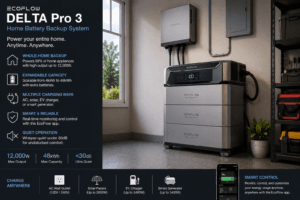
EcoFlow DELTA Pro 3
Why We Picked It
The EcoFlow DELTA Pro 3 offers exceptional flexibility for homeowners wanting portable and expandable battery backup. Multiple units and expansion batteries can be connected together to increase storage capacity while remaining much easier to install than traditional standby generators.
It can recharge from wall outlets, compatible solar panels, EV charging stations, or a portable generator.
Pros
- Expandable battery system
- Fast charging
- Solar compatible
- Portable
- Quiet operation
- Excellent app controls
Cons
- Not ideal for entire homes without expansion
- Premium price
Best For
- Home backup
- Apartments
- RV owners
- Flexible emergency power
Best Budget Battery Backup
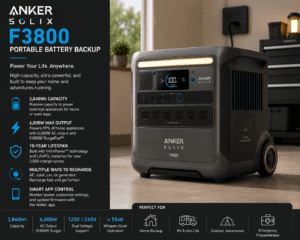
Anker SOLIX F3800
Why We Picked It
The Anker SOLIX F3800 offers impressive battery capacity and inverter output at a lower cost than many whole-home battery systems.
It provides enough backup power for refrigerators, freezers, lighting, internet equipment, televisions, and many other essential household appliances during outages.
Pros
- Excellent value
- Large battery capacity
- Fast charging
- Solar compatible
- Quiet operation
- Expandable
Cons
- Limited runtime for large HVAC systems
- Heavy compared to smaller portable power stations
Best For
- Budget-conscious homeowners
- Essential home backup
- Emergency preparedness
- Camping and RV use
[IMAGE PLACEHOLDER – Wall-mounted battery backup system powering a home during a utility outage.]
Whole-House Generator vs. Battery Backup
| Feature | Whole-House Generator | Battery Backup |
|---|---|---|
| Automatic Operation | ✔ | ✔ |
| Quiet Operation | ✘ | ✔ |
| Uses Fuel | ✔ | ✘ |
| Solar Compatible | ✘ | ✔ |
| Unlimited Runtime* | ✔ | ✘ |
| Low Maintenance | ✘ | ✔ |
| Powers Large HVAC Systems | ✔ | Limited |
| Indoor Installation | ✘ | ✔ |
*Unlimited runtime assumes a continuous natural gas or propane fuel supply.
Installation Costs
Whole-House Generator
Typical installed cost:
$8,000–$20,000+
Includes:
- Generator
- Automatic transfer switch
- Concrete pad
- Electrical work
- Gas plumbing
- Professional installation
Battery Backup
Typical installed cost:
$8,000–$25,000+
Includes:
- Battery system
- Inverter
- Electrical installation
- Monitoring equipment
- Optional solar integration
Battery systems paired with solar panels generally have the highest overall installation costs.
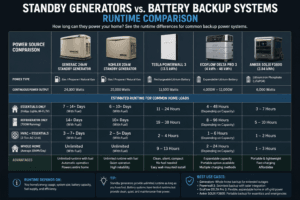
Runtime Comparison
Whole-House Generator
Runtime depends primarily on fuel availability.
Natural gas systems can often operate continuously as long as utility gas service remains available.
Propane systems operate until the storage tank requires refilling.
Battery Backup
Runtime depends on:
- Battery capacity
- Household electrical load
- Solar charging availability
Typical battery systems may provide anywhere from several hours to more than a day of backup power, depending on energy usage.
 ]
]
Which Is Better for Different Homes?
Choose a Whole-House Generator If:
- You experience frequent long outages
- You want automatic backup
- You need to power central air conditioning
- You have a well pump
- You have a septic system
- You want virtually unlimited runtime
Choose Battery Backup If:
- You already have solar panels
- You want quiet operation
- You prefer renewable energy
- Most outages are short
- You mainly power essential appliances
- You want lower ongoing maintenance
Can You Use Both Together?
Absolutely.
Many homeowners now install:
- Whole-house standby generator
- Battery backup system
- Solar panels
This combination provides:
- Instant battery backup
- Silent overnight operation
- Solar charging during the day
- Generator support during extended outages
Features to Look For
Choosing between a whole-house generator and a battery backup system involves more than comparing prices. The best backup power solution is the one that meets your home’s electrical demands while providing the reliability, convenience, and runtime you need during an outage.
Here are the most important features to consider.
Automatic Backup
One of the biggest advantages of both standby generators and modern battery systems is automatic operation.
When utility power fails, the system detects the outage and restores electricity automatically.
Benefits
- No manual startup
- Protection while you’re away from home
- Faster restoration of power
- Greater convenience during storms
Whole-Home Capacity
Not every backup system can power an entire home.
Consider whether you need to operate:
- Central air conditioning
- Electric water heater
- Well pump
- Septic pump
- Kitchen appliances
- Laundry equipment
- Home office
Homes with higher electrical demands generally require either a larger standby generator or multiple battery units.
Expandability
Many modern battery systems allow additional batteries to be installed later.
Benefits include:
- Longer runtime
- Increased storage capacity
- Greater flexibility
- Easier future upgrades
Expandable systems are ideal for homeowners planning to add solar panels or increase backup capacity over time.
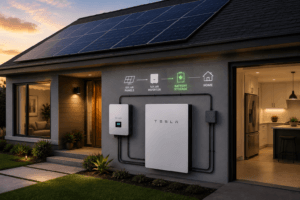
Solar Compatibility
Battery backup systems can often recharge using compatible solar panels.
Benefits include:
- Renewable energy
- Lower utility bills
- Longer backup during extended outages
- Greater energy independence
Traditional standby generators do not recharge from solar energy.
Smart Monitoring
Many premium backup systems include smartphone apps that allow you to:
- Monitor battery level
- View power usage
- Receive outage notifications
- Start system diagnostics
- Track charging status
Standby generators often include remote monitoring through Wi-Fi or cellular connectivity as well.
Low Maintenance
Battery systems require very little routine maintenance.
Standby generators typically require:
- Oil changes
- Air filter replacement
- Spark plug inspection
- Battery testing
- Scheduled exercise cycles
If minimizing maintenance is important, battery backup systems have an advantage.
Noise Level
Battery backup systems operate almost silently.
Standby generators produce engine noise similar to a riding lawn mower while running.
If neighborhood noise is a concern, battery systems may be the better option.
Common Buying Mistakes
Avoid these common mistakes before investing in home backup power.
Buying Too Small
Many homeowners underestimate their electrical needs.
Always account for:
- Running watts
- Starting watts
- HVAC systems
- Well pumps
- Future electrical needs
Choosing slightly more capacity often provides better long-term value.
Ignoring Runtime
Battery systems eventually require recharging.
Generators eventually require refueling.
Consider how long outages typically last in your area before deciding which solution best fits your needs.
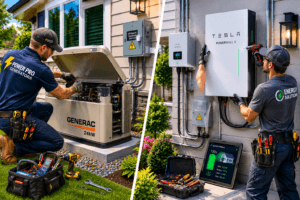
Forgetting Installation Costs
Purchase price is only part of the total investment.
Also consider:
- Electrical work
- Concrete pad (generator)
- Gas plumbing
- Transfer switch
- Battery installation
- Solar integration
Professional installation can significantly affect total project cost.
Ignoring Fuel Availability
If choosing a standby generator, think about fuel.
Natural gas offers virtually continuous operation where available.
Propane requires storage tanks and occasional refilling.
Gasoline generators require frequent refueling during extended outages.
Waiting Until Storm Season
Backup power systems often become difficult to purchase before major storms.
Buying early allows you to:
- Compare models
- Schedule installation
- Learn system operation
- Test the equipment
- Prepare before severe weather arrives
Skipping Routine Testing
Regardless of which system you choose, regular testing is essential.
Generators should be exercised according to the manufacturer’s recommendations.
Battery systems should also be checked periodically to ensure they are charging properly and software is up to date.
Frequently Asked Questions
Which is better: a whole-house generator or a battery backup?
It depends on your needs.
Whole-house generators are generally better for long outages and heavy electrical loads, while battery backup systems are quieter, require less maintenance, and pair well with solar panels.
Can a battery backup run an entire house?
Some high-capacity battery systems can power most household circuits, especially when multiple battery units are installed. However, runtime depends on battery capacity and the amount of electricity your home uses.
Can a battery backup run central air conditioning?
Some larger battery systems can operate central air conditioners for a limited time, but doing so consumes battery power quickly. Standby generators are generally better suited for continuous HVAC operation.
Does a whole-house generator increase home value?
Many buyers view professionally installed standby generators as a desirable feature, particularly in areas that experience frequent power outages.
Can I have both a generator and a battery backup?
Yes.
Many homeowners combine battery storage with a standby generator and solar panels to create a highly reliable backup power system that offers quiet operation for short outages and extended protection during long emergencies.
Which backup system requires less maintenance?
Battery backup systems generally require much less routine maintenance than standby generators because they have no engine, oil, or fuel system to service.
Final Thoughts
Both whole-house generators and battery backup systems provide dependable protection during power outages, but the best choice depends on your home’s electrical needs, budget, and long-term goals.
For homeowners who experience frequent or extended outages, the Generac 24kW Home Standby Generator remains one of the best overall solutions thanks to its automatic operation, ability to power large electrical loads, and virtually unlimited runtime when connected to natural gas. The Kohler 20kW Home Generator is another excellent standby option known for its durability and reliability.
If quiet operation, renewable energy, and low maintenance are your priorities, the Tesla Powerwall 3 offers one of the best battery backup solutions available. The EcoFlow DELTA Pro 3 provides outstanding flexibility with its expandable design, while the Anker SOLIX F3800 delivers excellent value for homeowners looking for dependable emergency battery backup.
Before making your decision, calculate your home’s electrical requirements, consider how long outages typically last in your area, and determine whether automatic backup, solar integration, or extended runtime is most important. Investing in the right backup power system today can help protect your home, preserve essential appliances, and keep your family safe and comfortable whenever the power goes out.